Tasmac revises liquor prices from November 1, links refund to bottle returns
Source Entity
India Latest News: Top National Headlines Today & Breaking News | The Hindu
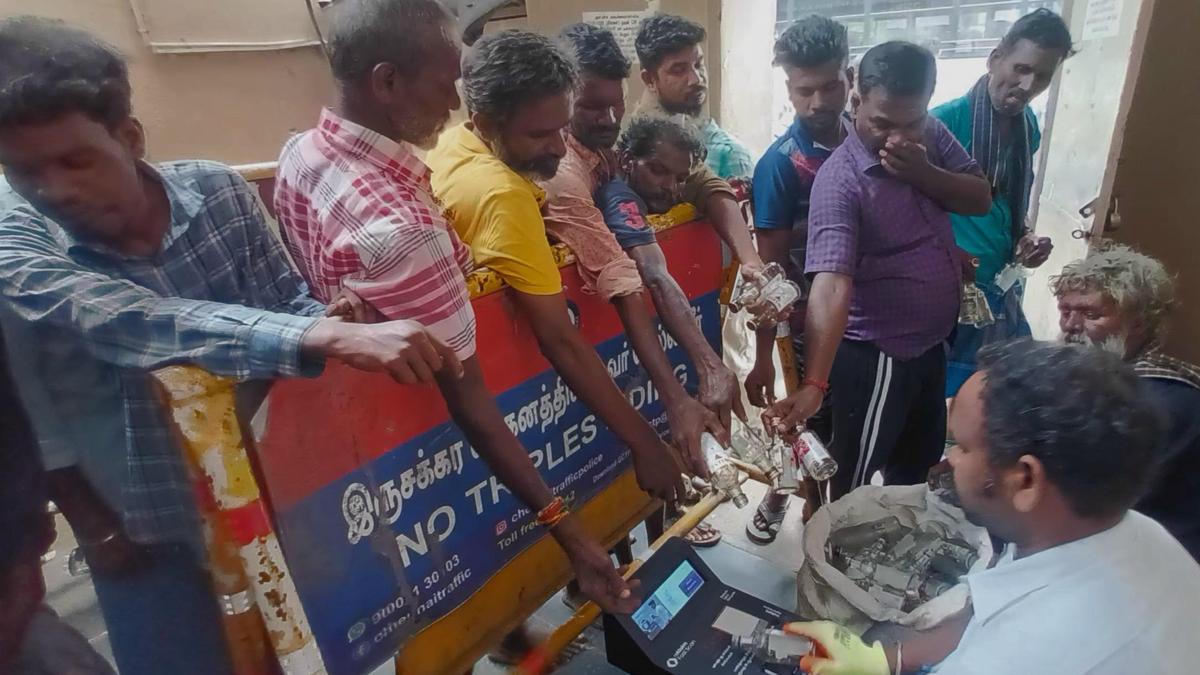
The Tamil Nadu State Marketing Corporation (Tasmac) is introducing a ₹10 environmental cess on all liquor bottles starting November 1. Customers can reclaim this amount by returning empty bottles, a move aimed at reducing waste and promoting recycling.
Tasmac Implements Environmental Cess on Liquor Sales
Starting November 1, the Tamil Nadu State Marketing Corporation (Tasmac) will implement a significant structural change to its pricing model. By adding a ₹10 environmental cess to the Maximum Retail Price (MRP) of all liquor variants—including Indian Made Foreign Liquor (IMFL), beer, wine, and imported spirits—the state aims to address the growing environmental impact of glass waste generated by liquor consumption.
The Mechanics of the Refund System
The policy introduces a circular economy initiative where consumers are incentivized to return empty bottles. By paying an upfront premium of ₹10, customers are essentially entering a deposit-refund scheme. Upon returning the empty vessel to authorized retail outlets, the consumer is entitled to a ₹10 reimbursement. This mechanism is designed to curb the indiscriminate disposal of glass bottles, which often end up in landfills or as litter in public spaces, posing significant environmental and safety hazards.
Scope and Implementation Logistics
The mandate is comprehensive, covering not only standard retail outlets but also those establishments operating under FL2 and FL3 licenses, such as bars and clubs. To ensure a seamless transition, Tasmac has issued strict directives to manufacturers and distributors. All parties involved in the supply chain must ensure that revised price labels are affixed correctly at production facilities, wholesale depots, and retail outlets before the November 1 deadline.
Challenges in Inventory Management
A critical component of this rollout is the management of existing stock. Tasmac has mandated that any inventory currently lacking the specific 'buy-back' QR code stickers must be identified and labeled by October 31. This administrative hurdle requires significant coordination across the state’s distribution network to prevent pricing discrepancies at the point of sale. Shop personnel have been clearly instructed on the protocols for handling these new labels and the subsequent refund process.
Broader Environmental and Economic Implications
This policy represents a shift toward extended producer responsibility and consumer accountability. By monetizing the return of glass waste, the state is likely attempting to reduce the burden on municipal waste management systems. If successful, this model could serve as a pilot for broader waste reduction strategies across other consumer goods sectors in Tamil Nadu. The effectiveness of this program will depend heavily on the ease of the refund process for the average consumer and the diligence of retail staff in managing the collection of empty bottles.
Future Outlook
Looking ahead, the success of this initiative will be measured by the rate of bottle returns and the subsequent reduction in glass waste volume. Should the system prove efficient, it may lead to stricter environmental regulations within the beverage industry. However, the immediate focus remains on the logistical execution of the October 31 labeling deadline and the ability of the retail infrastructure to handle the influx of returned containers without disrupting the standard consumer experience.
Verification Required?