Fed Chair leads two-day meeting as fear grips markets
Source Entity
Yahoo Finance
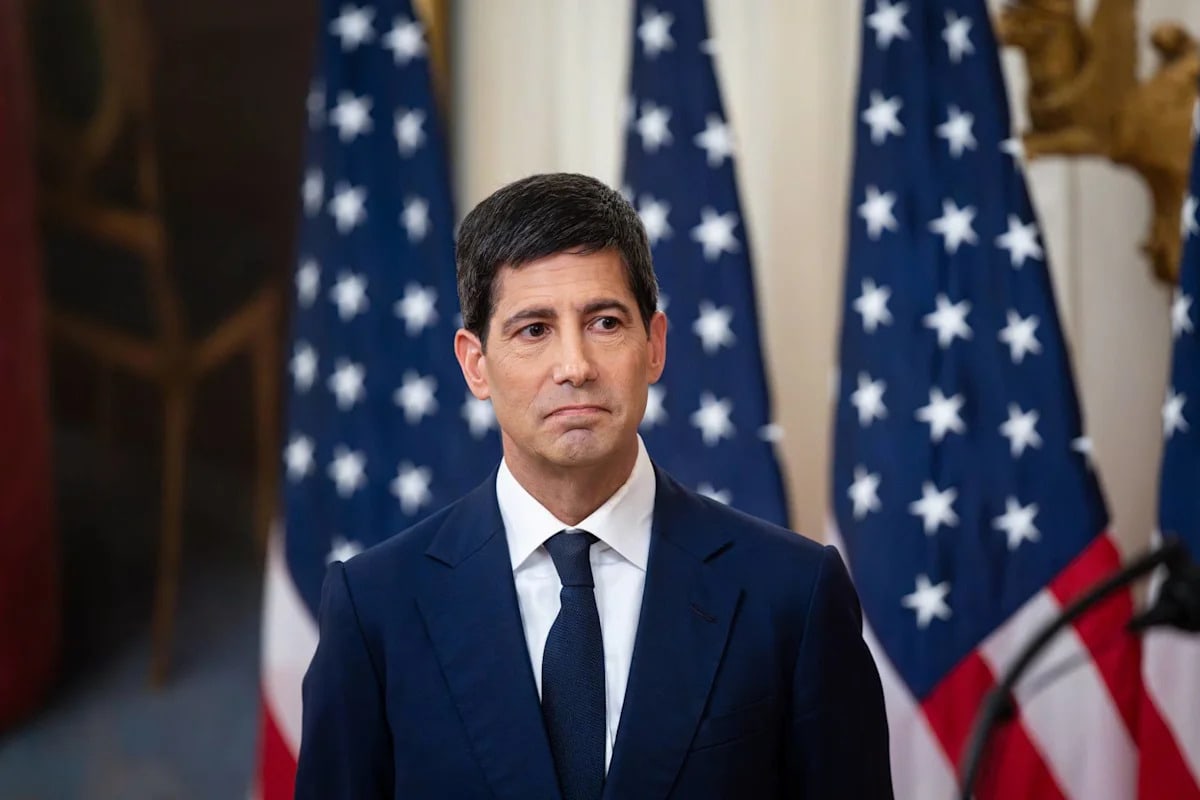
Federal Reserve Chair Kevin Warsh is navigating early leadership challenges, marked by internal friction over his proposed policy review panels and market uncertainty regarding interest rates. As he balances a shift toward procedural transparency with a tight-lipped communication style, the Fed faces conflicting economic signals.
The New Era of Federal Reserve Leadership
Kevin Warsh has assumed the mantle of Federal Reserve Chair at a time of significant economic complexity, marking a departure from the predictable policy environment that characterized previous tenures. His early strategy, highlighted by the announcement of five panels of outside experts to scrutinize the central bank’s economic methodology and communication, signifies an intent to modernize how the Fed operates. However, this initiative has met with immediate skepticism from within the ranks, suggesting that Warsh’s vision for a 'good family fight' may be more turbulent than anticipated.
Internal Friction and Institutional Skepticism
The tension within the Federal Open Market Committee (FOMC) became apparent during a dinner following Warsh’s first policy meeting in June. Governor Christopher Waller, known for his candid approach, openly challenged the necessity of these panels. By questioning the impartiality of the proposed experts, Waller highlighted a fundamental concern: the risk that institutional reform could be perceived as a tool to engineer specific policy outcomes rather than fostering objective analysis. This internal pushback serves as a stress test for Warsh’s leadership style, which leans toward being tight-lipped regarding his personal economic outlook.
Navigating Market Uncertainty
By the time of his second meeting in July, the environment had shifted from stable expectations to genuine market volatility. Unlike the June meeting, where the decision to hold rates steady was largely anticipated, the current landscape is defined by a lack of consensus. Markets are struggling to price in the Fed's next move, a reality that complicates Warsh’s preference for keeping his own cards close to his chest. This silence, while perhaps intended to prevent market manipulation, is currently exacerbating the uncertainty as traders and analysts look for clear guidance.
The Macroeconomic Tug-of-War
The uncertainty surrounding the July rate decision is rooted in conflicting economic indicators. While the June inflation report provided some relief—showing a cooling trend from 4.2% in May to 3.5%—this data point is being countered by renewed geopolitical and economic tensions. The Fed is effectively caught between the need to maintain a restrictive stance to anchor inflation and the pressure to avoid stifling growth in an increasingly fragile market environment.
Future Implications for Policy Communication
Warsh’s path forward will likely be defined by his ability to reconcile his desire for institutional review with the immediate, high-stakes demands of monetary policy. If he continues to remain tight-lipped, he risks losing the 'forward guidance' advantage that has been a cornerstone of modern central banking. Conversely, if he succeeds in implementing these expert panels without alienating his colleagues, he may establish a new, more transparent framework for how the Fed understands and explains the economy to the public.
Conclusion
Kevin Warsh’s early tenure is characterized by a deliberate attempt to challenge the status quo, yet he faces the dual challenge of internal dissent and external market instability. His ability to navigate these competing interests while maintaining the independence and credibility of the Federal Reserve will be the defining feature of his leadership. As the FOMC concludes its July meeting, all eyes remain on whether his methodology can withstand the pressures of a volatile economic climate.