Khadakwasla increases water discharge
Source Entity
Latest News: Todays Latest News Headlines from India & World | Hindustan Times | Hindustan Times
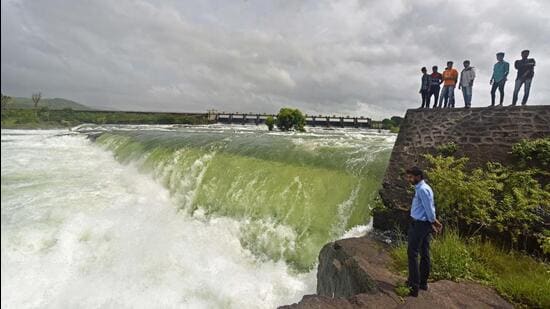
The Khadakwasla irrigation division significantly increased water discharge into the Mutha river to 9,372 cusecs following intensified rainfall. Authorities have issued urgent safety warnings to residents in low-lying areas to relocate belongings and avoid the riverbed.
Fluctuating Reservoir Operations at Khadakwasla Dam
The Khadakwasla irrigation division has initiated a significant increase in water discharge from the Khadakwasla dam, releasing 9,372 cusecs into the Mutha river. This adjustment, occurring on a Friday, represents the second major change in discharge rates within a single 24-hour window, highlighting the volatile nature of reservoir management during active monsoon conditions in the Pune region.
The Dynamics of Catchment Inflow
Reservoir management is inherently reactive, dictated by the immediate hydrological data from the dam's catchment area. Earlier in the day, officials had actually throttled back the release from 9,405 cusecs to 4,708 cusecs, responding to a perceived rapid decline in reservoir levels. However, the situation shifted dramatically as fresh rainfall patterns emerged, forcing authorities to pivot and nearly double the discharge to 9,372 cusecs by 5 pm to maintain structural safety and manage incoming volume.
Public Safety and Precautionary Measures
Given the rapid fluctuations in water release, local authorities have issued urgent safety directives to the public. Residents residing in low-lying areas have been explicitly advised to move their belongings and livestock to higher ground to mitigate potential flood risks. Furthermore, there is a strict appeal for citizens to avoid the Mutha riverbed entirely, as the sudden surges in water volume create unpredictable and life-threatening conditions for those venturing near the banks.
Historical Context and Infrastructure Challenges
This event mirrors previous operational challenges faced by the dam, such as the major release of 14,000 cusecs observed in July 2017. These historical precedents underscore the recurring necessity for precise, real-time monitoring of the Khadakwasla reservoir. The dam serves as a critical lifeline for Pune, but its management requires a delicate balance between water conservation for the dry season and flood mitigation during the peak monsoon months.
Future Trends in Reservoir Management
Looking ahead, the reliance on manual discharge adjustments highlights the vulnerability of regional infrastructure to climate variability. As rainfall patterns in the Western Ghats become increasingly erratic, the Khadakwasla irrigation division will likely need to integrate more sophisticated predictive modeling to streamline these releases. Ensuring the safety of the populace downstream remains the primary priority, necessitating clear communication channels and proactive urban planning in flood-prone zones along the Mutha river.
Conclusion
The current situation at Khadakwasla serves as a stark reminder of the complexities involved in water resource management. With officials indicating that discharge levels remain subject to further revision based on ongoing catchment inflows, the situation remains fluid. Continued vigilance from both the authorities and the public is essential to navigate the remainder of the monsoon season safely.
Verification Required?