'Is your mouth stitched?' Kharge on Shah's 'silence' over police action against students
Source Entity
AYUSH PANDEY
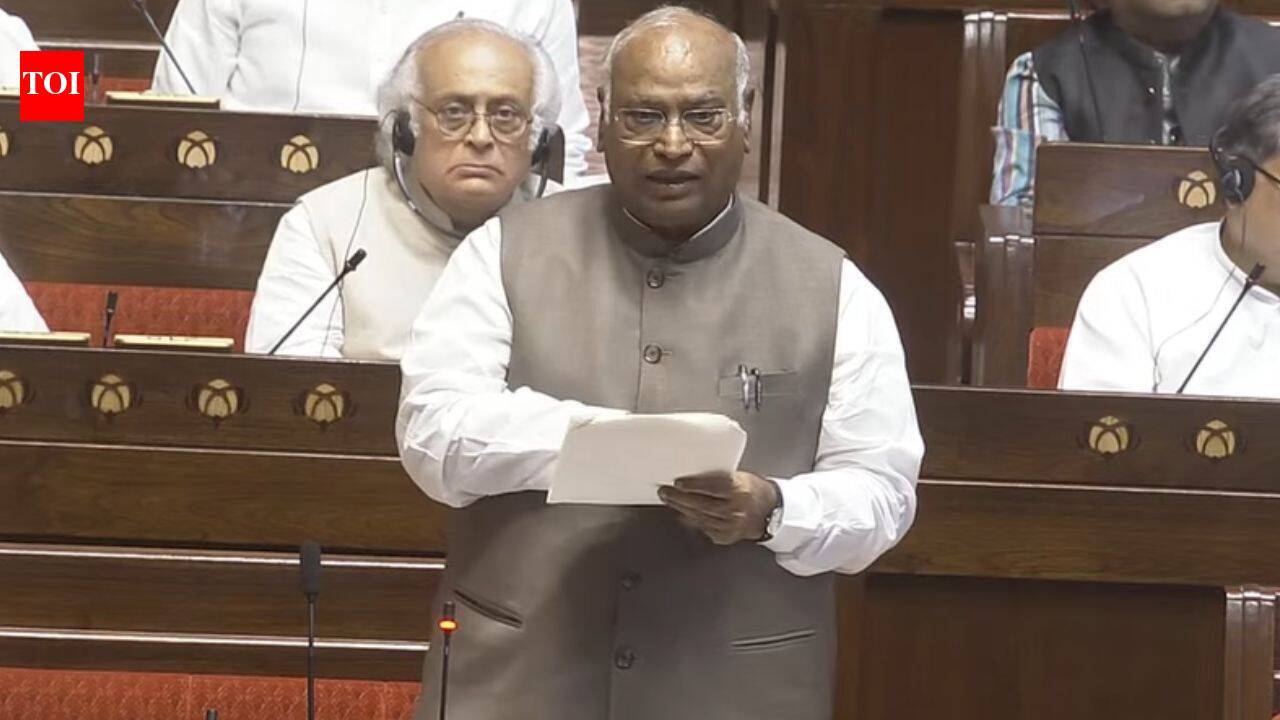
Leader of Opposition Mallikarjun Kharge has criticized the Centre's new anti-paper leak bill, labeling it a reactionary measure to calm student protests. He further challenged Home Minister Amit Shah regarding police actions taken against students in Delhi.
The Legislative Response to Examination Integrity
The recent introduction of the anti-paper leak Bill in the Rajya Sabha has ignited a fierce political debate, with Leader of the Opposition Mallikarjun Kharge leading the charge against the government. The legislation was presented by the Centre in the wake of widespread national concern regarding the integrity of competitive examinations. However, Kharge has characterized the timing of this bill as a reactive maneuver rather than a proactive solution, suggesting it was tabled specifically to mitigate the growing anger among students across the country.
The Allegation of Political Expediency
Kharge’s criticism centers on the assertion that the bill fails to address the structural root causes that facilitate paper leaks. By framing the legislation as a tool to quell student unrest rather than a comprehensive policy overhaul, the Congress president is highlighting a perceived disconnect between the government’s legislative agenda and the actual needs of the student demographic. This narrative suggests that the government is prioritizing the optics of control over the substance of systemic reform in the education sector.
Accountability for Student Protests
Beyond the bill itself, the discourse has turned toward the handling of student dissent. Kharge explicitly directed his criticism toward Union Home Minister Amit Shah, holding him responsible for the police actions taken against protesting students in Delhi on July 20. The confrontation, which saw law enforcement engage with demonstrators, has become a focal point of the opposition's strategy to challenge the government's approach to civil liberties and the right to peaceful protest.
The Broader Context of Student Dissent
The tension between the government and the student community is symptomatic of broader anxieties regarding employment and institutional transparency. When students take to the streets to protest exam irregularities, they are expressing a lack of faith in the current examination management systems. Kharge’s rhetorical question, "Is your mouth stitched?" directed at Shah, underscores the opposition's demand for greater accountability and transparent communication from the executive branch regarding both legislative intent and the use of force against youth demonstrators.
Future Trends and Political Fallout
Looking ahead, this clash indicates that examination integrity will remain a volatile political issue. If the government’s new legislation is perceived as insufficient by the student body, further protests are likely to follow. The opposition is clearly positioning itself as the voice of the students, aiming to leverage this dissatisfaction in future parliamentary sessions. The government, conversely, will need to balance the implementation of its new legal framework with the necessity of restoring trust among the millions of aspirants who rely on these exams for their career advancement.
Conclusion
The confrontation in the Rajya Sabha serves as a microcosm of the current political polarization in India. While the anti-paper leak bill represents an attempt to formalize punitive measures, the debate remains deeply entrenched in questions of timing, intent, and the treatment of protestors. Whether this legislative effort will ultimately soothe student anger or serve as a catalyst for further political debate remains to be seen, but the urgency of the issue is undeniable.