Case Against Uttarakhand BJP Members Over M Kharge Rally 'Purification' Row
Source Entity
NDTV News Search Records Found 1000
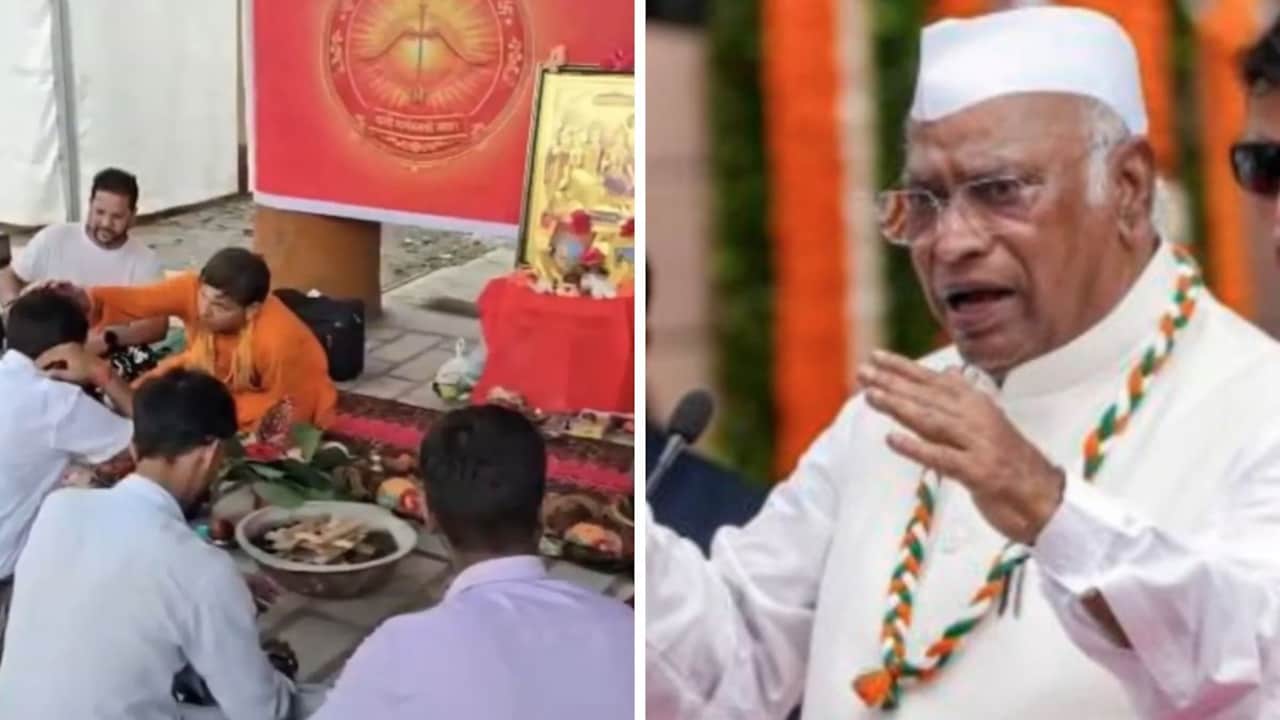
Bengaluru police have registered a Zero FIR against Uttarakhand BJP chief Mahendra Bhatt following a controversial 'purification' ritual performed after a Congress rally. This legal action follows a formal complaint by a Congress official and has intensified the political friction between the two parties.
The Haldwani Purification Row: Legal and Political Implications
The Incident and Escalation
The recent registration of a Zero FIR in Bengaluru against Uttarakhand BJP chief Mahendra Bhatt marks a significant escalation in the political rivalry between the Indian National Congress and the Bharatiya Janata Party (BJP). The case stems from a controversial 'purification' ritual performed at the Ramlila Ground in Haldwani, Nainital district, shortly after Congress president Mallikarjun Kharge addressed a public rally there on August 8. The ritual, perceived by many as a symbolic act of exclusion, sparked immediate indignation within the Congress party.
The Role of the Zero FIR
The filing of a 'Zero FIR' by the Bengaluru police is a procedural mechanism that allows a complaint to be registered at any police station regardless of jurisdiction, later to be transferred to the location where the incident occurred. The decision to initiate this legal process came only after Mallikarjun Kharge directly addressed the Leader of the Rajya Sabha, highlighting a 24-day delay in law enforcement action. This intervention underscores the frustration within the Congress leadership regarding what they view as a lack of accountability for acts that target political figures through exclusionary symbolism.
Political Confrontation and Symbolic Conflict
The 'purification' ritual has become a flashpoint for a broader ideological battle. By performing such a ritual, the local BJP members suggested that the ground required cleansing following the presence of an opposition leader. This act has been interpreted by the Congress party as a discriminatory practice, prompting T R Ramappa, a former vice-chairman of the Adivasi Congress, to file a formal complaint. The incident highlights the growing intensity of political rhetoric in India, where public spaces and symbolic gestures are increasingly weaponized to signal ideological dominance.
Broader Implications for Political Discourse
This event is not merely a localized dispute; it reflects a deepening chasm in Indian political culture. The use of religious or ritualistic imagery to frame political opponents as 'impure' or undesirable sets a concerning precedent for democratic discourse. When political parties move beyond policy debate to engage in exclusionary performative acts, it strains the social fabric and challenges the secular ethos of public political spaces.
Future Trends and Accountability
As the legal process moves forward, the case will likely serve as a litmus test for how Indian law enforcement handles politically charged incidents that cross the line into harassment or public intimidation. The fact that the Bengaluru police intervened suggests a growing demand for accountability that transcends state borders. Moving forward, the outcome of this FIR could influence how political entities conduct their ground-level activities, potentially leading to stricter scrutiny of public protests and rallies to prevent similar confrontational rituals in the future.
Conclusion
In summary, the 'purification' controversy in Haldwani represents a significant intersection of politics, law, and social symbolism. With the legal machinery now in motion, the focus shifts to how the investigation will address the implications of the act. The ongoing confrontation between the BJP and Congress serves as a stark reminder of the volatile nature of contemporary Indian politics and the necessity of maintaining decorum in public life.
Verification Required?