‘Scrap misleading questionnaire’: Kharge, Rahul Gandhi write to PM Modi on caste census
Source Entity
Asad Rehman
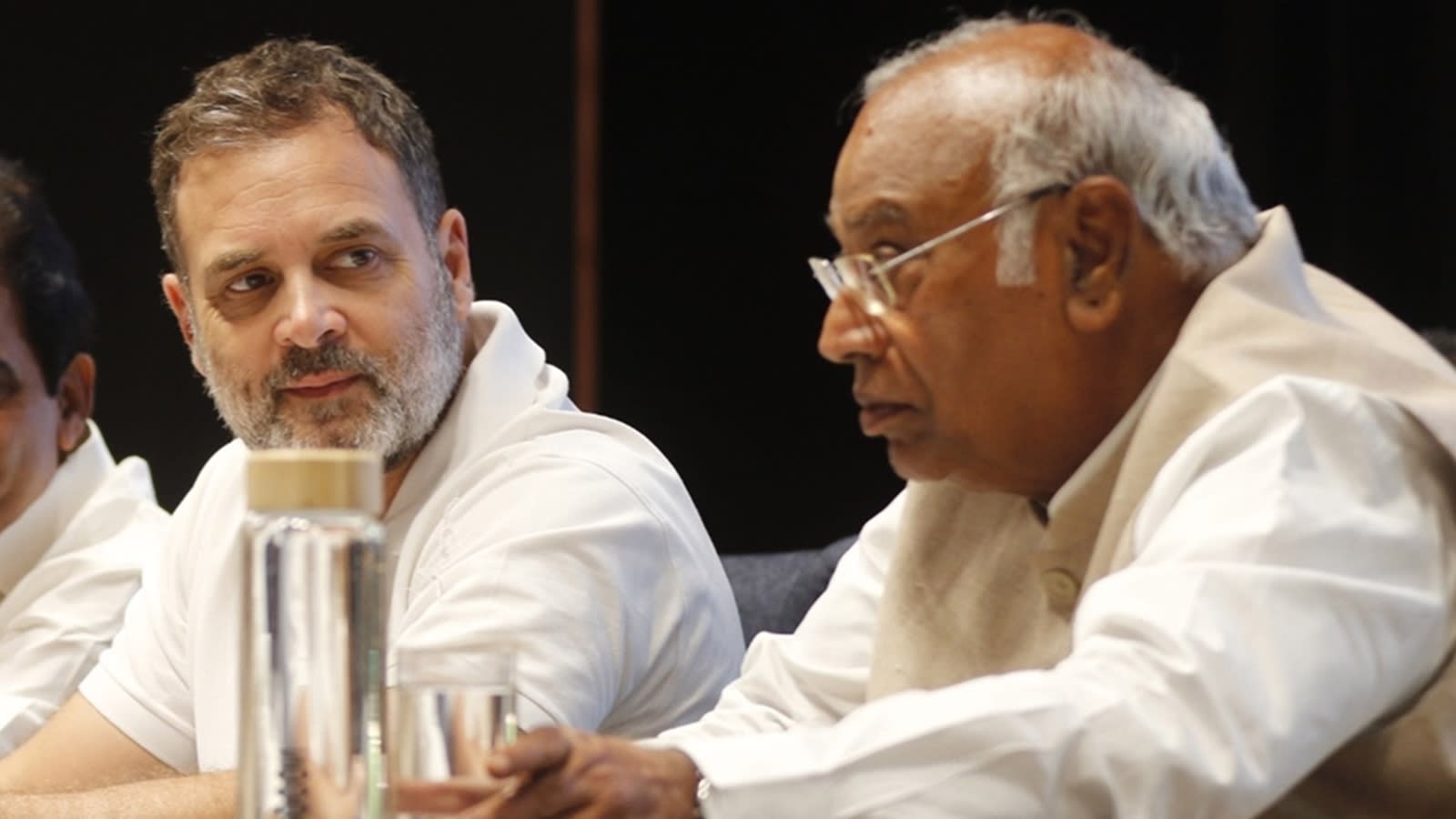
Opposition leaders Mallikarjun Kharge and Rahul Gandhi have urged PM Modi to scrap the current open-ended caste census questionnaire. They argue the methodology is misleading and demand a new, collaborative approach to ensure accurate data collection.
Opposition Challenges Methodology of Impending Caste Census
In a significant escalation of the political discourse surrounding the decennial census, Leader of the Opposition in the Rajya Sabha, Mallikarjun Kharge, and Leader of the Opposition in the Lok Sabha, Rahul Gandhi, have formally petitioned Prime Minister Narendra Modi. The joint letter, penned on August 20, serves as a direct critique of the government’s proposed framework for caste enumeration, specifically targeting the structure of the questionnaire currently under consideration.
The Core Dispute: Open-Ended vs. Structured Data
The fundamental point of contention raised by the opposition leaders is the use of an 'open-ended' question format for recording caste identity. Kharge and Gandhi contend that this methodology is inherently misleading, as it allows individuals to self-report their caste identity without a standardized reference or verification mechanism. By allowing any name provided to be recorded as is, the opposition argues that the census will fail to provide a cohesive or scientifically accurate demographic map of the nation’s social composition.
Implications for Social Policy
The demand to scrap the existing questionnaire is not merely a procedural grievance; it reflects a broader ideological struggle over the utility of the caste census in modern India. A caste census is widely regarded as a foundational tool for evidence-based policymaking, particularly for the implementation of affirmative action and welfare programs. By challenging the methodology, the opposition is effectively signaling that they will not accept data they believe is susceptible to fragmentation or manipulation, which could render subsequent policy decisions ineffective or contestable.
The Demand for Inclusive Governance
Beyond technical criticisms, the letter emphasizes a demand for procedural transparency and inclusivity. Kharge and Gandhi have urged the Centre to formulate a new questionnaire only after extensive consultations with political parties, subject-matter experts, and the general public. This call for a collaborative approach suggests that the opposition views the census as a national exercise that requires broad-based consensus rather than unilateral executive action, highlighting the tension between centralized governance and the demand for participatory democracy.
Historical Context and Future Trends
The current controversy underscores the enduring sensitivity of caste-based data in India’s political landscape. As the nation prepares for this massive administrative undertaking, the debate over how to categorize and count caste will likely remain a focal point of legislative friction. Future trends indicate that the integrity of the census methodology will be a primary battleground, as both the ruling coalition and the opposition recognize that the resulting data will shape the political, social, and economic trajectory of the country for the coming decade.
Conclusion
In conclusion, the joint intervention by Kharge and Gandhi represents a strategic attempt to ensure that the upcoming census yields actionable and credible data. By demanding a revision of the questionnaire, the opposition is placing the burden of scientific rigor and political consensus squarely on the government. Whether the Centre will heed these calls for consultation or proceed with the current methodology remains a critical question that will define the credibility of the census process moving forward.
Multiple Citing Sources