‘I had warned you they would cheat you,’ former Keralam Minister Jaleel tells P.V. Anvar
Source Entity
India Latest News: Top National Headlines Today & Breaking News | The Hindu
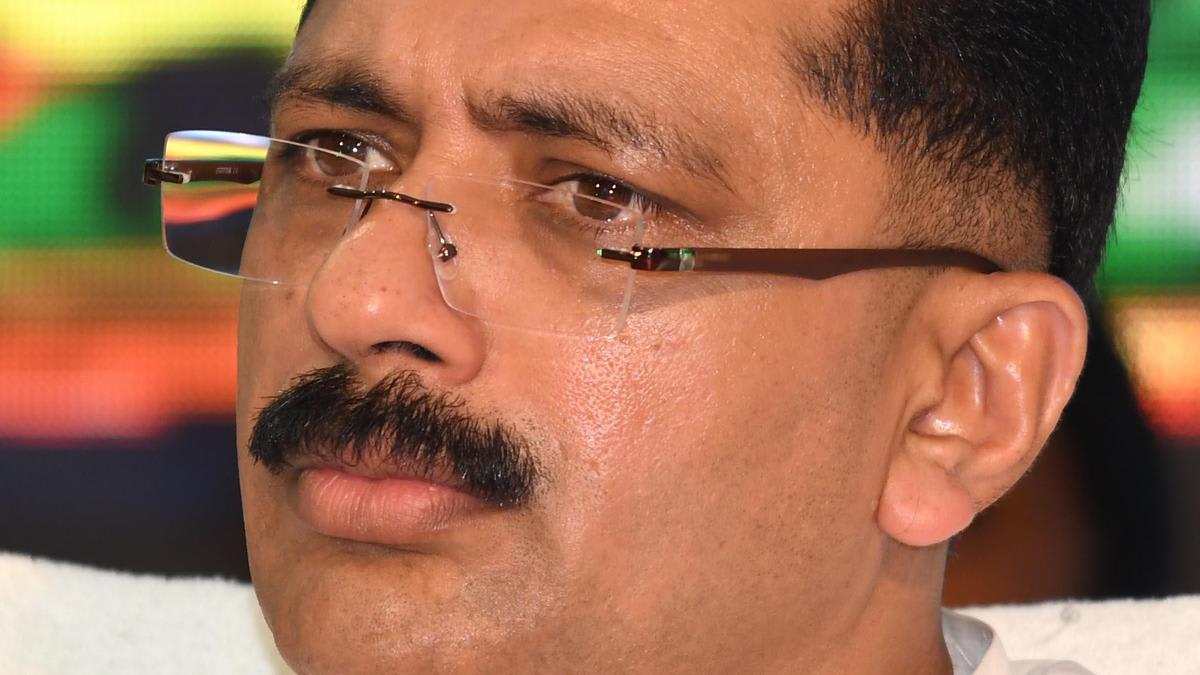
Former Kerala Minister K.T. Jaleel has criticized P.V. Anvar for his failed alliance with the UDF, claiming he had warned the politician of inevitable betrayal. This development highlights the volatile nature of political alignments in Kerala's electoral landscape.
The Politics of Betrayal: Jaleel and Anvar's Fractured Alliance
A Warning Ignored
The recent political discourse in Kerala has been punctuated by a sharp exchange between CPI(M) leader and former Local Administration Minister K.T. Jaleel and former Nilambur MLA P.V. Anvar. The core of the contention lies in Jaleel’s assertion that he had provided a prophetic warning to Anvar regarding the dangers of aligning with the United Democratic Front (UDF). According to Jaleel, this alliance was fundamentally flawed from its inception, destined to result in the political betrayal that Anvar now publicly laments.
Contextualizing the Beypore Contest
To understand the gravity of this exchange, one must look at the specific electoral context of the recent Assembly election. P.V. Anvar contested the Beypore constituency as a UDF-backed Independent candidate, placing him in direct opposition to the Left Democratic Front (LDF) nominee, P.A. Mohamed Riyas, who is a former Public Works Minister. This strategic positioning was intended to consolidate anti-incumbency votes, yet the outcome proved disastrous for Anvar, leading to his current accusations of being "backstabbed" by his political partners.
The Dynamics of Political Alliances
Jaleel’s commentary serves as a critique of the shifting allegiances that define contemporary Kerala politics. By framing the UDF’s actions as a calculated betrayal, Jaleel suggests that Anvar’s political naivety—characterized by what Jaleel calls "openness and straightforwardness"—was no match for the tactical maneuvering of established coalitions. This highlights the inherent risks for independent candidates who seek to leverage the machinery of major political fronts without the bedrock of long-term party institutional support.
Analyzing the "Business" of Politics
Jaleel’s characterization of politics as a "business" provides a cynical yet insightful lens through which to view this fallout. In this framework, candidates are treated as assets whose utility is weighed against electoral outcomes. When Anvar failed to secure the desired results in Beypore, the transactional nature of his relationship with the UDF was exposed. The former minister’s decision to air this grievance publicly acts as both a "told-you-so" moment and a cautionary tale for other political actors navigating the state’s complex coalition dynamics.
Broader Implications and Future Trends
This incident underscores the fragility of independent political identity in a state dominated by two major fronts. As Jaleel continues to emphasize the predictability of this outcome, it signals a consolidation of the narrative within the LDF that the UDF is an unreliable partner for those seeking to break away from established party lines. Moving forward, such public disputes are likely to influence how independent candidates assess the risks of coalition-building, potentially leading to more rigid party affiliations rather than fluid, temporary alliances in future election cycles.
Verification Required?