Kim Jong Un Calls For "Military Revolution" As He Urges Stronger Army Units
Source Entity
NDTV News Search Records Found 1000
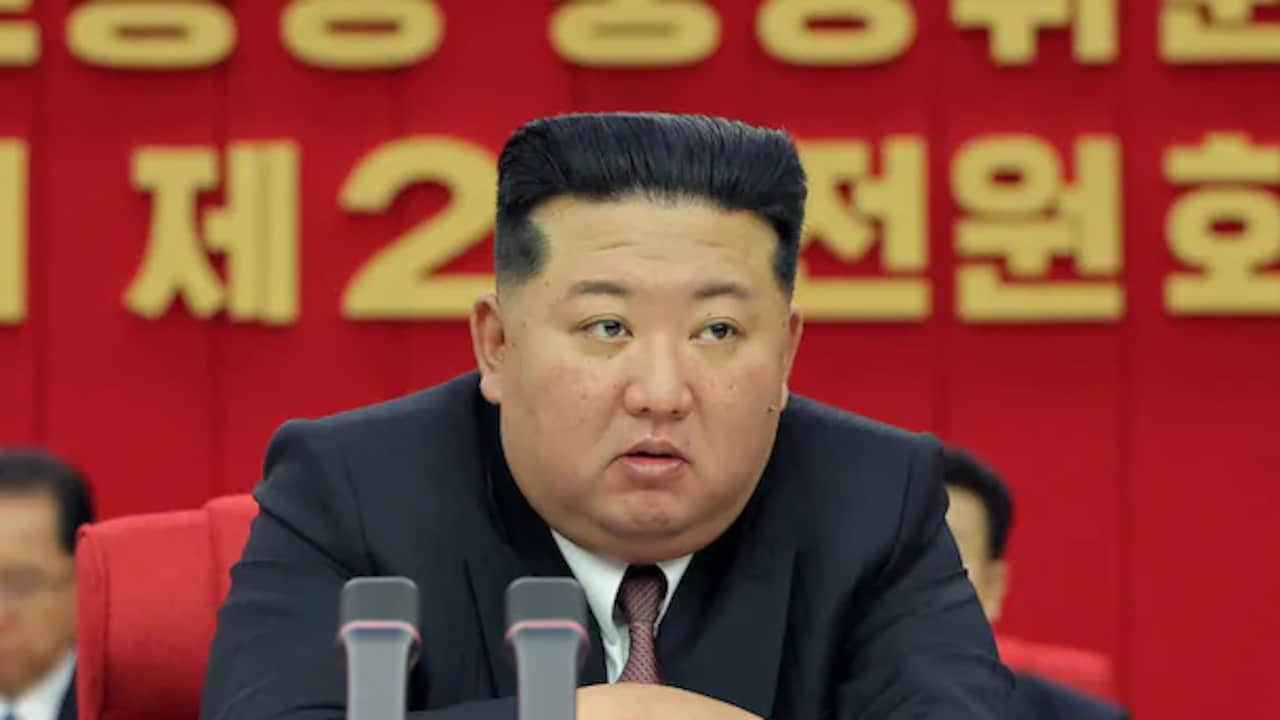
North Korean leader Kim Jong Un has formally called for a military revolution to bolster the nation's armed forces. This directive underscores Pyongyang's ongoing commitment to prioritizing military strength as a core pillar of state policy.
Kim Jong Un Calls for Military Revolution
The Mandate for Military Expansion
North Korean leader Kim Jong Un has issued a definitive call for what he terms a "military revolution," urging the nation to build the "strongest army" and accelerate efforts to modernize its defense capabilities. This directive, characterized by the leader as a pursuit of a military revolution "in our style," signifies a strategic pivot toward deepening the integration of state resources into defense sectors. By emphasizing a homegrown approach to military development, Pyongyang continues to signal its intent to operate independently of global disarmament pressures.
Strategic Implications of the Rhetoric
This recent call for a military revolution is not merely symbolic; it serves as a foundational policy directive for the Korean People's Army (KPA). By framing the expansion as a "revolution," the leadership aims to mobilize domestic support and justify the continued allocation of scarce economic resources toward defense. This rhetoric suggests a long-term commitment to maintaining a posture of military readiness that directly challenges regional security architectures in East Asia.
Historical Context and State Ideology
Historically, the North Korean state has relied heavily on the Songun or "military-first" policy, which prioritizes the armed forces as the primary driver of national governance and economic activity. Kim Jong Un's latest pronouncement suggests a refinement of this ideology, focusing on modernization and qualitative strength rather than just numerical superiority. This reflects a broader trend of shifting toward high-tech advancements and asymmetric warfare capabilities to deter perceived external threats.
Regional Security and Geopolitical Impact
The declaration of a military revolution carries significant weight for regional security, particularly concerning the Korean Peninsula's stability. As North Korea accelerates its military development, neighboring states and international observers are forced to recalibrate their own defense strategies. The emphasis on building the "strongest army" implies that Pyongyang remains unconvinced by diplomatic overtures, preferring instead to rely on hardened military deterrence to safeguard its sovereignty.
Future Trends and Outlook
Looking ahead, it is highly probable that we will see an increase in military drills, technological testing, and organizational restructuring within the North Korean military apparatus. The push for a "military revolution in our style" indicates that the regime is looking to innovate its defense doctrine to remain resilient against modern surveillance and containment strategies. Future trends will likely involve further integration of domestic technological advancements into the military supply chain to ensure self-sufficiency.
Conclusive Summary
In summary, Kim Jong Un's call for a military revolution underscores the regime's unwavering focus on military supremacy as the bedrock of its national survival. By calling for the strongest possible army, Pyongyang is signaling to both domestic and international audiences that it will continue to prioritize defense modernization above all else. This policy trajectory suggests a challenging period ahead for diplomatic relations and regional security stability.
Verification Required?