King to address slavery during Commonwealth speech in Antigua on final leg of Caribbean tour
Source Entity
BBC News
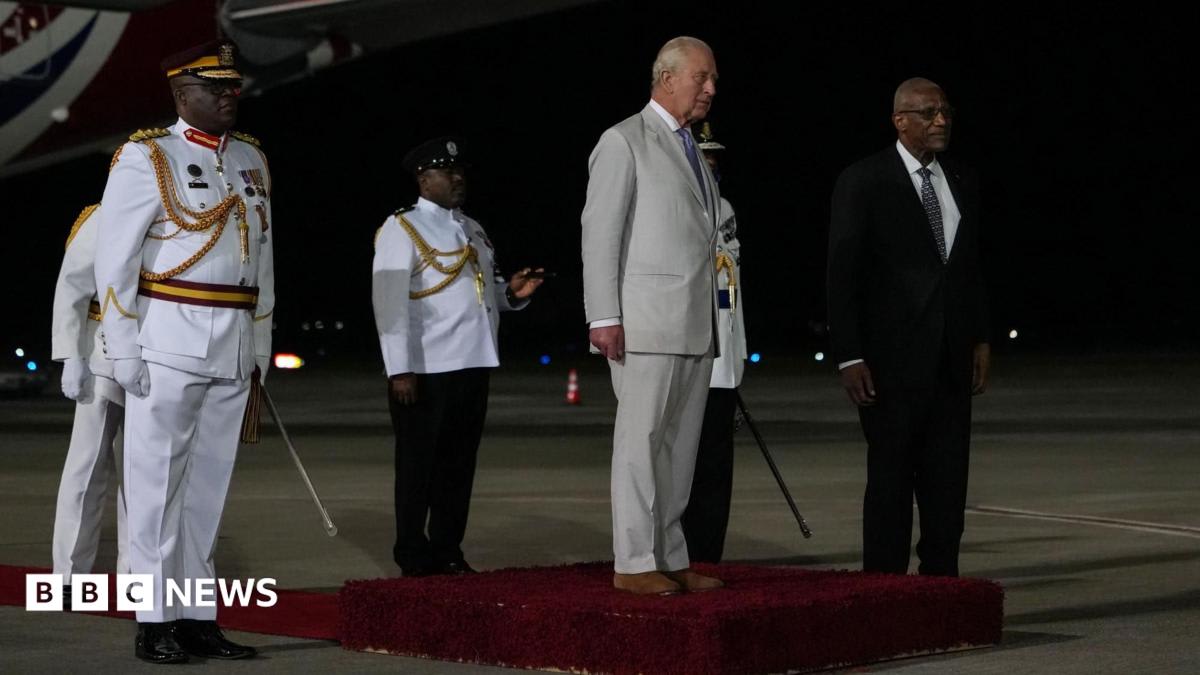
King Charles is set to address the historical impact of the transatlantic slave trade with 'unflinching honesty' during his Caribbean tour. This comes amid shifting political discourse, as UK officials signal a potential change in stance regarding a formal apology.
The King’s Address: Navigating Historical Reckoning
King Charles is scheduled to deliver a speech to Commonwealth leaders in Antigua, marking the conclusion of his nine-day Caribbean tour. Buckingham Palace has confirmed that the monarch intends to speak with "unflinching honesty" and "sincere sorrow" regarding the enduring trauma of the transatlantic slave trade. This address represents a significant moment in royal diplomacy, as the monarchy faces increasing pressure to confront the historical realities of the British Empire.
A Shift in Political Rhetoric
The timing of the King's address is particularly notable due to evolving sentiments within the British government. Prime Minister Andy Burnham recently indicated that he is "open" to the possibility of the UK formally apologizing for its role in the slave trade. This marks a departure from the long-standing government policy, which has historically avoided formal apologies or the payment of reparations. The interaction between the monarchy's symbolic outreach and the government's shifting political stance highlights a new, more transparent phase in the UK’s relationship with its former colonies.
The Palace’s Response to External Pressures
Despite the evolving discourse, Buckingham Palace has maintained a consistent trajectory for the King’s speech. It is understood that the Palace was aware of the Prime Minister’s recent comments prior to their publication, yet the King has not altered his prepared remarks. This suggests that the monarchy is attempting to strike a balance between acknowledging historical grievances and maintaining its traditional diplomatic protocol, ensuring that the address serves as a sincere reflection of personal and institutional sentiment rather than a reactive political maneuver.
Historical Context and Modern Implications
For centuries, the transatlantic slave trade shaped the economic and social foundations of the British Empire, leaving a legacy of inequality and pain that persists in the Caribbean today. The refusal of the British government to offer a formal apology or reparations has long been a point of contention in international relations. By choosing to address these issues directly, the King is attempting to bridge a historical divide, signaling an acknowledgment of the past that may set a precedent for future diplomatic engagements within the Commonwealth.
Future Trends in Commonwealth Relations
The dialogue initiated by this tour suggests a move toward greater accountability. As Commonwealth nations continue to seek recognition for the historical harm caused by colonial-era policies, the monarchy will likely find itself at the center of ongoing debates regarding reparations and restorative justice. Whether or not this speech leads to a formal government apology, it serves as a critical indicator that the status quo regarding the British Empire's history is undergoing a period of intense re-evaluation.
Conclusion
King Charles’s visit to Antigua and his subsequent address signify a deliberate effort to address one of the most painful chapters of British history. By focusing on "sincere sorrow," the monarch is positioning the crown to engage more meaningfully with the Commonwealth’s modern concerns. As the government and the monarchy navigate these complex waters, the world will be watching to see if this symbolic acknowledgement translates into lasting policy changes or further reconciliatory actions.