Quad building reliable, open supply chains and securing critical minerals, says Marco Rubio
Source Entity
Shubhajit Roy
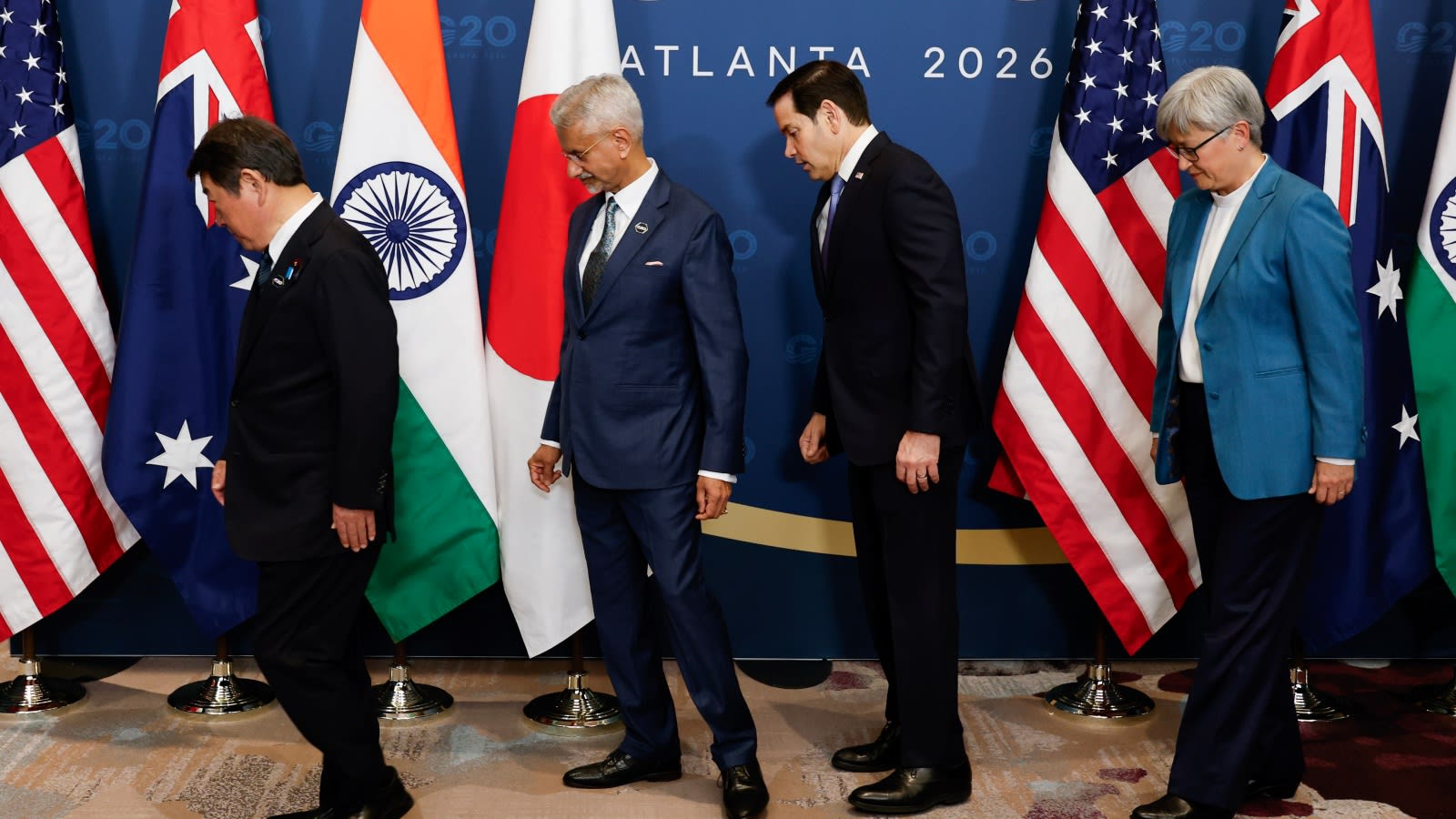
US Secretary of State Marco Rubio and his Quad counterparts met in Atlanta to strengthen cooperation on supply chains and maritime security. The group emphasized that their partnership focuses on shared regional benefits rather than being an anti-China coalition.
Strengthening the Quad Framework: A Strategic Overview
On October 31, 2026, U.S. Secretary of State Marco Rubio convened with the Foreign Ministers of India, Japan, and Australia in Atlanta, Georgia. Occurring on the sidelines of the G20 Foreign Ministers' Meeting, this engagement marks the third time the Quad grouping has met in less than six months. This high-frequency diplomatic cadence highlights the bloc's growing urgency to institutionalize cooperation across the Indo-Pacific.
Economic Resilience and Supply Chain Security
A primary focus of the meeting was the transition from collaborative rhetoric to tangible economic benefits. Secretary Rubio emphasized the group's commitment to building "reliable and open supply chains" and securing critical minerals. By diversifying production and supply networks, the Quad aims to mitigate vulnerabilities that have historically hampered regional stability. These efforts are not merely economic; they are foundational to the strategic autonomy of the member nations.
Technological Cooperation and Maritime Security
The ministers also addressed the integration of next-generation technologies and the expansion of maritime cooperation. In an era where digital infrastructure and maritime domain awareness are paramount, the Quad is positioning itself as a provider of public goods. By enhancing coordination in these sectors, the member states seek to ensure that the Indo-Pacific remains a space governed by international law and cooperative norms rather than unilateral coercion.
Addressing Regional Assertiveness
While Secretary Rubio explicitly stated that the Quad is "not an anti-anybody" coalition, he acknowledged that the group's concerns are frequently triggered by the actions and behaviors of a single regional actor. This nuanced diplomacy allows the Quad to maintain its focus on positive-sum cooperation—such as disaster relief, vaccine distribution, and infrastructure development—without explicitly defining itself through the prism of containment, despite the clear geopolitical undercurrents regarding China's regional conduct.
Assuaging Concerns and Future Outlook
This meeting served as a critical platform for the Trump administration to signal its continued commitment to the Quad, effectively addressing concerns from regional partners regarding the durability of U.S. engagement. By aligning on shared priorities, the members have cleared the path for the upcoming Quad leaders' summit in the Philippines. This momentum suggests that the partnership is moving toward a more mature phase of integration, focused on delivering concrete results for the Indo-Pacific populations.
Conclusion
The Quad’s recent meeting in Atlanta reflects a strategic pivot toward operationalizing its partnership. By balancing the pursuit of technological and economic security with a diplomatic stance that prioritizes "behavior over nations," the Quad is successfully carving out a unique role for itself. As the bloc prepares for its summit in the Philippines, the focus will likely remain on maintaining this delicate equilibrium to ensure regional stability in a complex geopolitical environment.
Multiple Citing Sources