'Respect seniors, end BJP-RSS hatred': Rijiju's seven-point advice to Rahul Gandhi
Source Entity
AADRITA HALDER
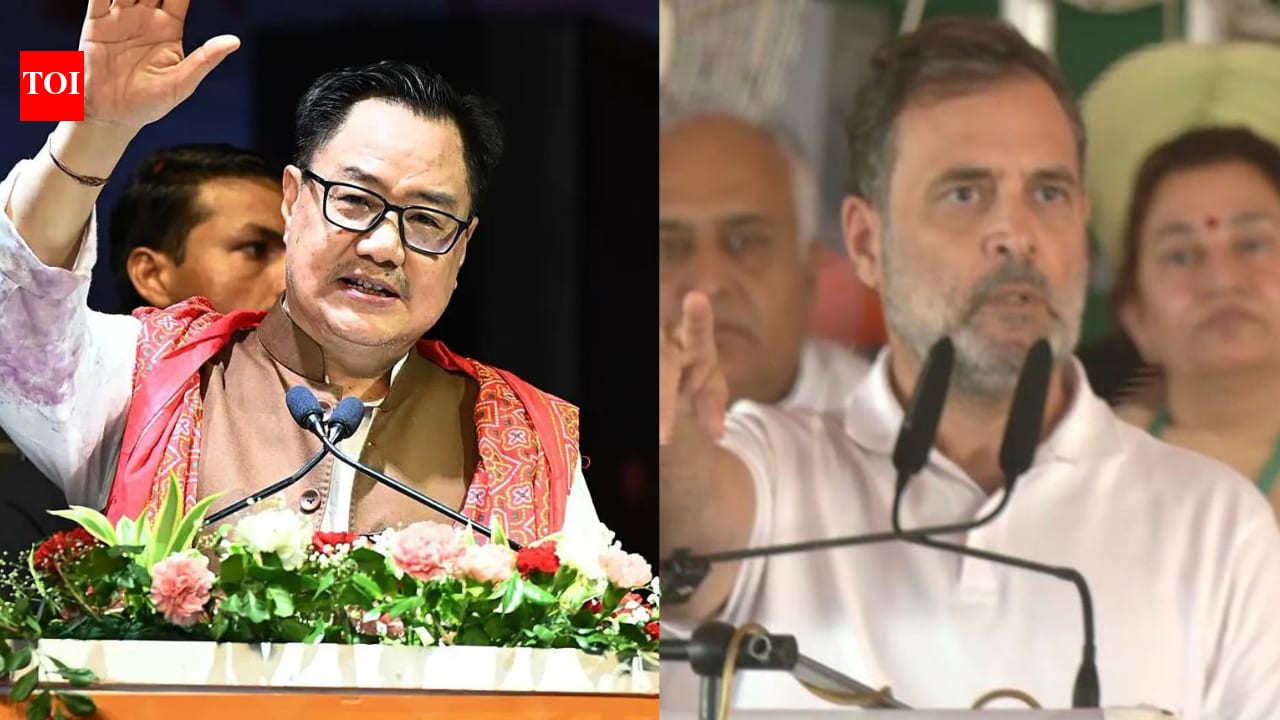
Union Minister Kiren Rijiju has issued a seven-point list of conditions for the Congress party to increase its parliamentary seat count. The critique focuses on Rahul Gandhi's foreign travel habits and his approach toward Indian traditions and the BJP-RSS ideology.
Political Tensions Escalate: Rijiju’s Seven-Point Critique of Rahul Gandhi
In a pointed political exchange on November 4, 2026, Union Minister Kiren Rijiju publicly challenged the Congress party’s electoral strategy by outlining seven conditions he claims would help the party secure more Members of Parliament (MPs). This critique follows ongoing friction between the ruling BJP and the Opposition regarding calls for an open debate with the Prime Minister, a demand consistently championed by Rahul Gandhi and other senior Congress leaders.
The Focus on National Presence
Central to Rijiju's commentary is the assertion that Rahul Gandhi needs to prioritize his physical presence within India. By criticizing the leader for what he describes as "secret foreign vacations," the Minister is attempting to frame the Congress leadership as disconnected from the domestic concerns of the Indian electorate. This narrative seeks to undermine the opposition's outreach efforts by suggesting that frequent travel abroad creates a perception of unavailability and lack of commitment to the grassroots challenges facing the nation.
Traditional Values and Ideological Conflicts
Beyond the logistics of travel, Rijiju’s advice touches upon the cultural and ideological dimensions of Indian politics. He explicitly urged Gandhi to respect senior figures and embrace the wisdom inherent in Indian traditions. This commentary serves as a strategic attempt to position the BJP as the true custodian of Indian cultural values, while simultaneously painting the Congress leadership as dismissive of these established societal norms.
The BJP-RSS Narrative
Furthermore, the discourse highlights the deep-seated ideological rift between the two parties. By calling for an end to "BJP-RSS hatred," Rijiju is directly addressing the core criticism that Congress leaders often level against the ideological foundations of the ruling coalition. This demand underscores the Minister's desire to reshape the political narrative, suggesting that the opposition's electoral struggles are rooted in a negative fixation on the RSS rather than a focus on developmental governance.
Implications for Future Electoral Trends
This public exchange is indicative of the intensifying political climate as parties prepare for future electoral cycles. By setting these "conditions," Rijiju is not merely offering advice but is actively engaging in a rhetorical battle to define the criteria for political legitimacy in India. The emphasis on being "anti-India" versus "pro-India" remains a potent, albeit polarizing, tool in Indian political discourse, likely to be a recurring theme as the Congress party attempts to reclaim its parliamentary footprint.
Conclusion
Ultimately, Kiren Rijiju’s seven-point list serves as a calculated maneuver to distract from the Opposition’s calls for direct debates while refocusing public attention on the personal habits and ideological stances of the Congress leadership. Whether or not these critiques resonate with the broader voting public, they signify a hardening of stances that will continue to define the parliamentary and public interaction between India’s two largest political forces.