Kodungaiyur incinerator plan faces renewed scrutiny over climate costs
Source Entity
India Latest News: Top National Headlines Today & Breaking News | The Hindu
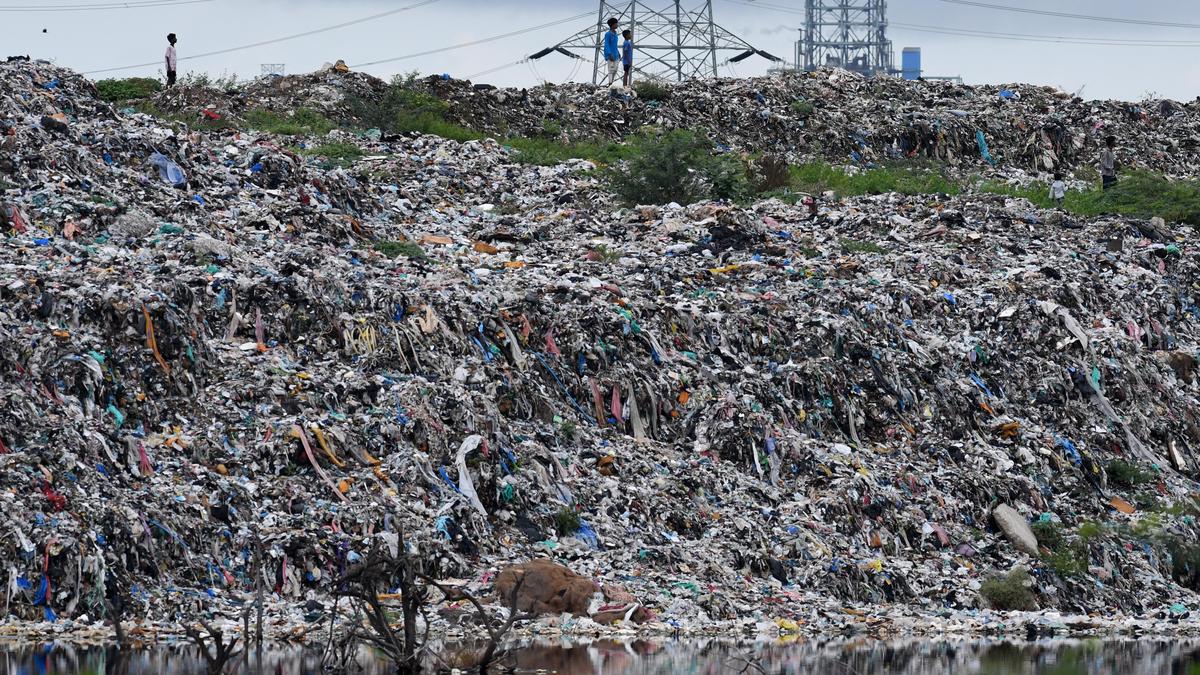
The proposed waste-to-energy plant in Kodungaiyur faces intense criticism following a study highlighting its high carbon intensity. Environmental groups warn that the project's climate costs far outweigh its energy benefits.
The Kodungaiyur Incinerator Controversy: A Climate Cost Analysis
The city of Chennai is currently embroiled in a significant environmental debate regarding a proposed 2,100-tonne-per-day waste-to-energy incinerator slated for Kodungaiyur. With an estimated project cost of ₹3,500 crore, the facility is intended to tackle the city's burgeoning waste management challenges. However, the project has met with sustained resistance from local residents’ associations and environmental advocacy groups, who argue that the long-term ecological consequences have been severely underestimated in the planning phase.
Questioning the Carbon Intensity
At the heart of the opposition is a new study titled ‘The Climate Cost of Burning Waste,’ conducted by the National Alliance for Climate and Ecological Justice and the Centre for Financial Accountability. The report directly challenges the narrative that waste-to-energy plants are a clean or carbon-neutral solution. By analyzing four operational waste-to-energy plants in Delhi, the study found that the electricity generated carries 3.4 kg of fossil-origin carbon dioxide emissions per unit of net electricity exported.
Comparing to the National Grid
Perhaps the most damning evidence presented in the report is the comparison between these incinerators and the national grid average. The findings suggest that the emissions from these waste-to-energy facilities are approximately 4.7 times higher than the national grid average. This revelation casts doubt on the viability of the Kodungaiyur project, suggesting that instead of providing a green alternative, the plant may significantly increase the carbon footprint of Chennai’s energy infrastructure.
Socio-Economic and Public Health Concerns
Beyond the raw scientific data, there is a deep-seated concern among the local population. A survey of 415 households in the vicinity of the proposed project suggests that the community is acutely aware of the potential health and environmental degradation such an incinerator could bring. The sheer scale of the 2,100-tonne-per-day capacity raises valid questions about air quality, toxic ash disposal, and the long-term sustainability of burning waste versus implementing circular economy models like decentralized composting and recycling.
Future Implications and Policy Shifts
As the debate intensifies, the Chennai project serves as a microcosm for a national struggle over waste management policy in India. If the government proceeds with the ₹3,500 crore investment despite these findings, it could signal a disregard for contemporary climate goals. Conversely, a pivot toward more sustainable waste management practices, informed by this study, could position Chennai as a leader in environmentally conscious urban development, moving away from high-carbon incineration toward more efficient, low-impact solutions.
Verification Required?