Forum seeks expert review before Korapuzha dredging resumes
Source Entity
India Latest News: Top National Headlines Today & Breaking News | The Hindu
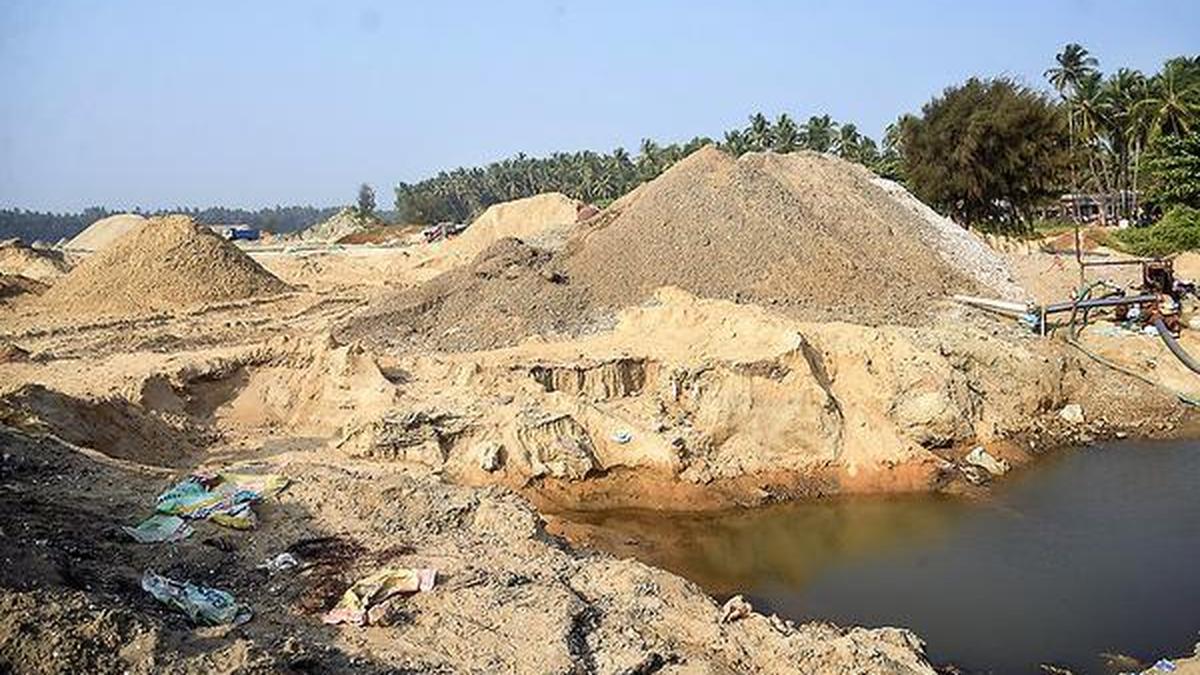
The Society for the Protection of Environment, Kerala (SPEK) has urged the Kozhikode district administration to halt the resumption of dredging at the Korapuzha estuary. The organization is demanding an independent scientific assessment and the formation of an expert committee to prevent ecological damage.
Environmental Concerns Mount Over Korapuzha Estuary Dredging
The ongoing tension between infrastructural development and environmental conservation has come to the forefront in Kozhikode, where the Society for the Protection of Environment, Kerala (SPEK) is challenging the resumption of dredging activities at the Korapuzha estuary. This conflict highlights a critical juncture in coastal management, where the push for deepening waterways—often intended for navigation or flood control—clashes with the necessity of maintaining delicate marine ecosystems. The situation has escalated following a decision by the district administration to restart a previously suspended project.
The Demand for Scientific Rigor
At the heart of SPEK's memorandum to District Collector M.S. Madhavikutty is a call for an independent scientific assessment. The organization argues that the decision to restart the suspended dredging work, which was recently reaffirmed in a meeting chaired by the Collector, should not proceed without a comprehensive evaluation of the potential impacts. By insisting on a formal review, SPEK is advocating for a "precautionary principle" approach to environmental management, ensuring that the long-term biological costs are weighed against short-term engineering goals.
Proposed Expert Oversight
To ensure a balanced and transparent evaluation, SPEK has specifically requested the constitution of an expert committee. The proposed composition of this committee—including a marine ecologist and a representative of the local residents—is significant. The inclusion of a marine ecologist ensures that the technical complexities of estuarine dynamics are addressed, while the resident representative ensures that the lived experiences and local observations of the community are integrated into the decision-making process, preventing a top-down administrative approach.
Ecological and Coastal Risks
The warning from SPEK regarding "serious ecological and coastal consequences" underscores the fragility of estuarine environments. Dredging typically involves the removal of sediment from the bottom of a water body, which can lead to the destruction of benthic habitats, the release of trapped pollutants, and alterations in salinity and water flow. In coastal regions like Kerala, such interventions can inadvertently trigger increased coastal erosion or disrupt the breeding grounds of various aquatic species, potentially impacting local fisheries and biodiversity.
Administrative Conflict and Governance
The situation reveals a gap between the objectives of the Irrigation department, which prepared the proposal for deepening the estuary, and the environmental safeguards demanded by civil society. While the district administration, led by Collector M.S. Madhavikutty, has moved toward restarting the project, the intervention by SPEK serves as a critical check on administrative power. This dynamic illustrates the ongoing struggle in regional governance to balance the mandates of state utility departments with the ecological imperatives raised by environmental watchdogs.
Broader Implications for Coastal Management
This dispute is reflective of a larger trend across India's coastline, where dredging projects are frequently contested. As urban centers expand and the demand for deeper waterways increases, the risk of permanent ecological degradation grows. The Korapuzha case serves as a microcosm of the broader need for Integrated Coastal Zone Management (ICZM), which emphasizes that any modification to the coastline must be backed by rigorous data and multi-stakeholder consensus to avoid catastrophic environmental failure.
Conclusion and Future Outlook
The resolution of the Korapuzha dredging controversy will likely depend on whether the Kozhikode district administration accepts the demand for an independent expert committee. If a scientific review is conducted, it could set a precedent for future irrigation and dredging projects in the region, shifting the focus from purely engineering-driven solutions to ecologically sustainable ones. Until such an assessment is completed, the risk of irreversible damage to the estuary remains a central point of contention.
Verification Required?