Koregaon Bhima violence: Probe committee gets 24th extension
Source Entity
Chandan Haygunde
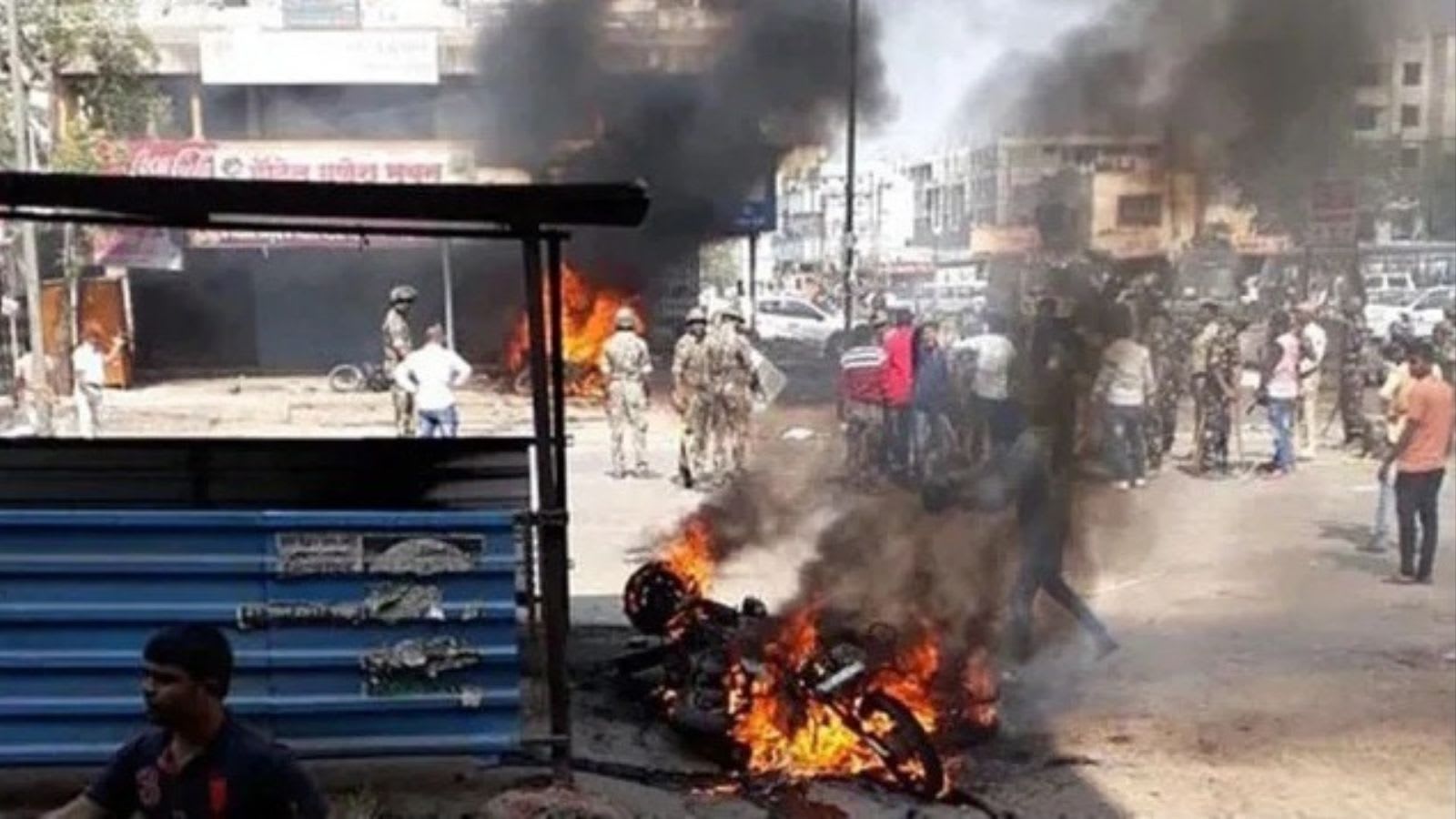
The Maharashtra government has granted a 24th extension to the Koregaon Bhima Commission of Inquiry, pushing its mandate to March 31, 2027. The commission continues to investigate the 2018 violence that erupted during the 200th-anniversary commemorations of the Battle of Koregaon Bhima.
Prolonged Inquiry into the Koregaon Bhima Violence
The Maharashtra government recently issued a notification granting the 24th extension to the Commission of Inquiry tasked with investigating the violent events that occurred in the Koregaon Bhima region of Pune on January 1, 2018. This latest administrative order, issued by the state Home Department on October 30, extends the commission's tenure until March 31, 2027. This move highlights the protracted nature of the judicial and administrative process concerning one of the most significant civil disturbances in recent state history.
Historical Context and the 2018 Incident
The inquiry was originally established on February 9, 2018, shortly after clashes broke out during the 200th-anniversary celebrations of the Battle of Koregaon Bhima. Historically, this site holds immense significance for the Dalit community, as it marks the 1818 victory of the British East India Company—which included soldiers from the Mahar caste—over the Peshwa forces. When lakhs of Ambedkarites gathered to pay their respects in 2018, the atmosphere turned volatile, resulting in one death and widespread injuries, necessitating a high-level probe into the sequence of events.
Mandate of the Commission
Led by retired High Court Justice J.N. Patel and former Chief Secretary Sumit Malik, the commission was specifically charged with determining the "exact sequence" of events that led to the violence. The complexity of the task stems from the need to deconstruct the conflicting narratives regarding who incited the unrest and how a peaceful commemorative gathering escalated into a violent confrontation. The commission has been tasked with reviewing evidence, testimonies, and police reports to provide a definitive account of the systemic failures or deliberate provocations that occurred.
Implications of Continued Extensions
The granting of a 24th extension has drawn attention to the challenges inherent in high-profile judicial commissions in India. While these bodies are designed to ensure transparency and accountability, the recurring extensions suggest significant hurdles in evidence gathering, the examination of witnesses, and the overarching legal complexities involved in the case. For the families of those affected by the 2018 violence, the extended timeline reflects a long, arduous wait for legal closure and a formal determination of accountability.
Looking Toward 2027
As the deadline is now set for March 31, 2027, the commission faces mounting pressure to consolidate its findings. The longevity of this inquiry underscores the broader trend of judicial commissions in India often spanning several years, sometimes outliving the immediate political context of their formation. Future progress will depend on the commission’s ability to navigate these political and social sensitivities while ensuring that its final report is robust enough to withstand legal scrutiny and provide the public with a clear, factual narrative regarding the 2018 tragedy.