KTR questions proposed sale of IDBI Bank, asks if its valuable real estate assets were factored in valuation
Source Entity
India Latest News: Top National Headlines Today & Breaking News | The Hindu
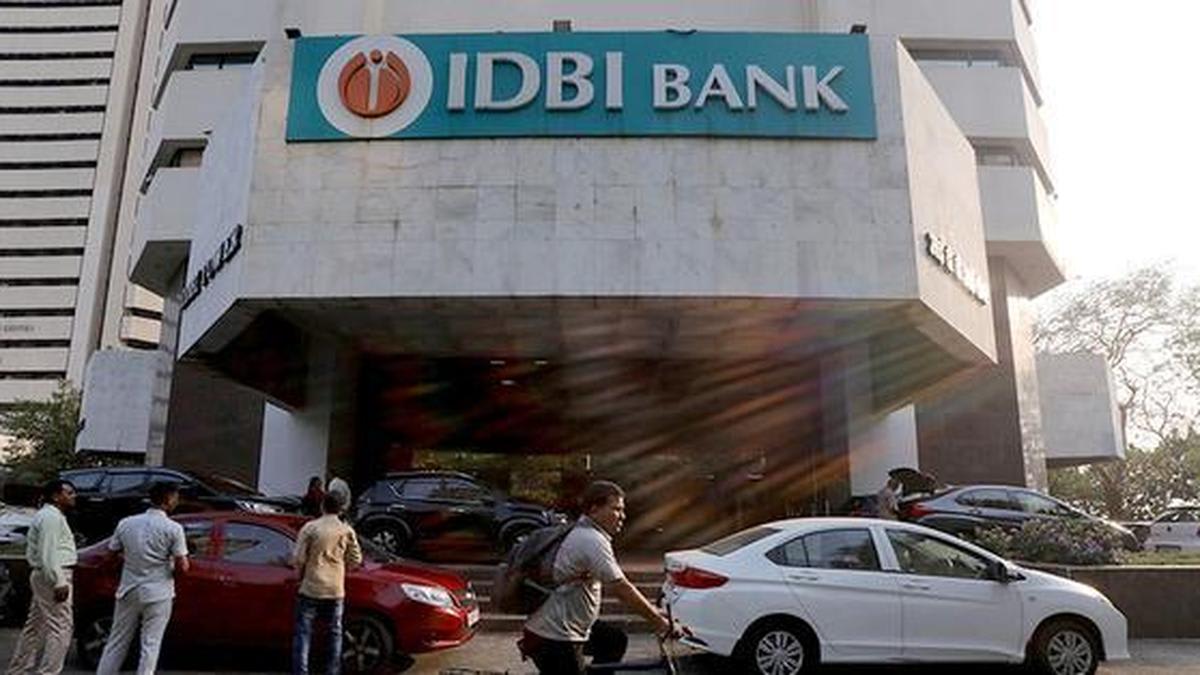
BRS leader K.T. Rama Rao has challenged the central government's proposed divestment of IDBI Bank, citing concerns over potential undervaluation and the handling of prime real estate assets. He specifically questioned the modification of bidding norms following initial interest, urging greater transparency in the sale process.
Scrutinizing the IDBI Bank Divestment Strategy
Bharat Rashtra Samithi (BRS) working president K.T. Rama Rao has launched a pointed critique against the Union government’s initiative to privatize IDBI Bank. His intervention centers on the integrity of the valuation process, suggesting that the state-led divestment may not be capturing the full market worth of the institution. By framing public sector banks as essential national assets, Rao has elevated a bureaucratic financial transaction into a broader debate regarding the stewardship of public wealth.
The Valuation and Real Estate Controversy
A primary point of contention raised by Rao involves the bank’s extensive real estate portfolio. IDBI Bank holds significant land parcels, including prime real estate in cities like Hyderabad, which critics argue may have been omitted or undervalued in the current appraisal models. If these physical assets are not accurately reflected in the bank's book value, the eventual sale price could result in a significant loss for the public exchequer, effectively transferring high-value public infrastructure to private hands at a discount.
Bidding Norms and Procedural Transparency
The BRS leader has also raised alarms regarding the shifting of bidding norms. Reports suggest that the government altered valuation methodologies after initial bids failed to meet the reserve price. This move has invited skepticism, as changing the rules of engagement mid-process often signals a desperation to complete a transaction rather than ensuring a fair market valuation. For investors and the public alike, such shifts raise questions about the governance standards governing the privatization of major financial institutions.
Employee Concerns and Institutional Stability
Beyond the financial mechanics, Rao has highlighted the plight of IDBI Bank employees, whose concerns regarding the proposed disinvestment have reportedly gone unaddressed. Privatization often brings significant structural changes, including potential workforce rationalization and shifts in administrative culture. By championing the employee perspective, the BRS leadership is highlighting the human element of institutional divestment, which is often overshadowed by fiscal targets.
Broader Implications for PSU Privatization
The case of IDBI Bank serves as a litmus test for the Union government’s broader privatization agenda. As the state seeks to reduce its footprint in the banking sector, the transparency of these sales becomes paramount to maintaining public trust. If the government fails to address questions regarding asset valuation and bidding integrity, it risks creating a precedent where future divestments face similar challenges, potentially deterring serious bidders and inviting prolonged litigation.
Conclusion
Ultimately, K.T. Rama Rao’s inquiries underscore a growing demand for accountability in the management of public sector assets. Whether these concerns will lead to a re-evaluation of the IDBI sale remains to be seen, but they have undeniably placed the government’s disinvestment strategy under a microscope. Moving forward, the government will likely need to provide greater clarity on its valuation methodology to justify the sale and mitigate the political and economic risks associated with the transition of IDBI Bank to private ownership.
Verification Required?