Delhi Confidential: KV Thomas’s demonetisation revelation irks Congress; DU professor’s TV debate row triggers campus backlash
Source Entity
The Indian Express
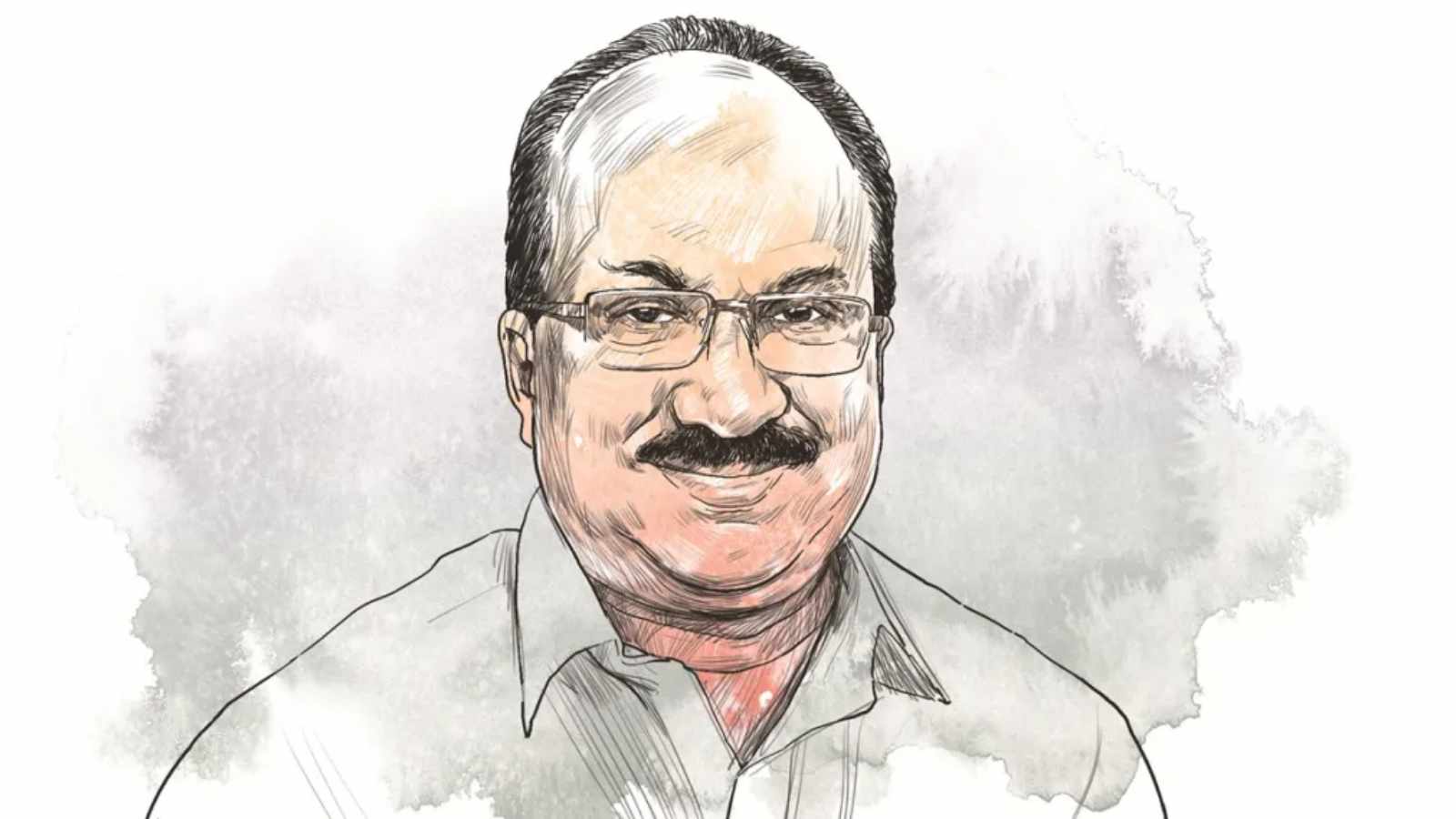
Former PAC chief K.V. Thomas has stirred controversy by claiming Rahul Gandhi distanced himself after Thomas refused to summon PM Modi over the 2016 demonetisation policy. Concurrently, a Delhi University professor faces campus backlash following a contentious television debate appearance.
Internal Tensions and Parliamentary Procedure
The recent revelations by former Public Accounts Committee (PAC) chairman K.V. Thomas have cast a spotlight on the delicate balance of power within parliamentary committees and the internal dynamics of the Congress party. Thomas, a seasoned veteran of the UPA-era governance, disclosed that his refusal to summon Prime Minister Narendra Modi during the PAC’s inquiry into the 2016 demonetisation policy became a point of contention between him and Leader of Opposition Rahul Gandhi. This disclosure highlights the friction between the procedural constraints of the PAC—which often requires consensus among members—and the political expectations of party leadership.
The Procedural Constraints of the PAC
Thomas’s defense centers on the technical and structural limitations of the PAC. As he noted, the committee lacked the necessary consensus to summon the Prime Minister, largely due to the majority presence of ruling party members. This underscores a perennial challenge in Indian parliamentary democracy: the PAC, intended to be a non-partisan watchdog, often finds itself gridlocked by the partisan composition of its members. Thomas’s admission that he conveyed his opposition to demonetisation to the Prime Minister privately, while simultaneously citing procedural inability to summon him formally, illustrates the complex navigating required of a committee chair.
Political Fallout and Party Dynamics
For the Congress party, Thomas’s claims are inconvenient, as they suggest a disconnect between the party’s aggressive anti-demonetisation stance and the tactical decisions made by its representatives in key parliamentary positions. By publicly airing these grievances during a high-profile gathering of PAC chairpersons in Kerala, Thomas has reignited debates regarding the efficacy of the opposition’s strategy during the post-2016 period. This situation serves as a reminder of how internal party loyalty and personal political relationships can be strained by the rigorous demands of legislative oversight.
Campus Unrest and Public Discourse
Parallel to the political maneuvering in Delhi, the academic community has been roiled by a controversy involving a Delhi University professor. The backlash, triggered by the professor’s participation in a heated television debate, signals a growing trend where faculty members find their professional lives and campus reputations inextricably linked to their public media personas. This incident reflects the heightened sensitivity surrounding political discourse in educational institutions, where the lines between academic freedom and public controversy are increasingly blurred.
Broader Implications and Future Trends
These concurrent events—the PAC leadership dispute and the Delhi University controversy—point to a broader trend of intense polarization in India’s public and political life. The scrutiny of the 2016 demonetisation policy remains a touchstone for political debate, and the discomfort caused by Thomas’s remarks suggests that the legacy of that policy continues to influence internal party hierarchies. Moving forward, we can expect continued tension as parliamentary committees struggle to maintain their non-partisan character in an era of hyper-partisan political engagement.