‘Eetha doesn’t honour Lavani legend Vithabai’: Laxman Utekar
Source Entity
Gayatri Nirmal
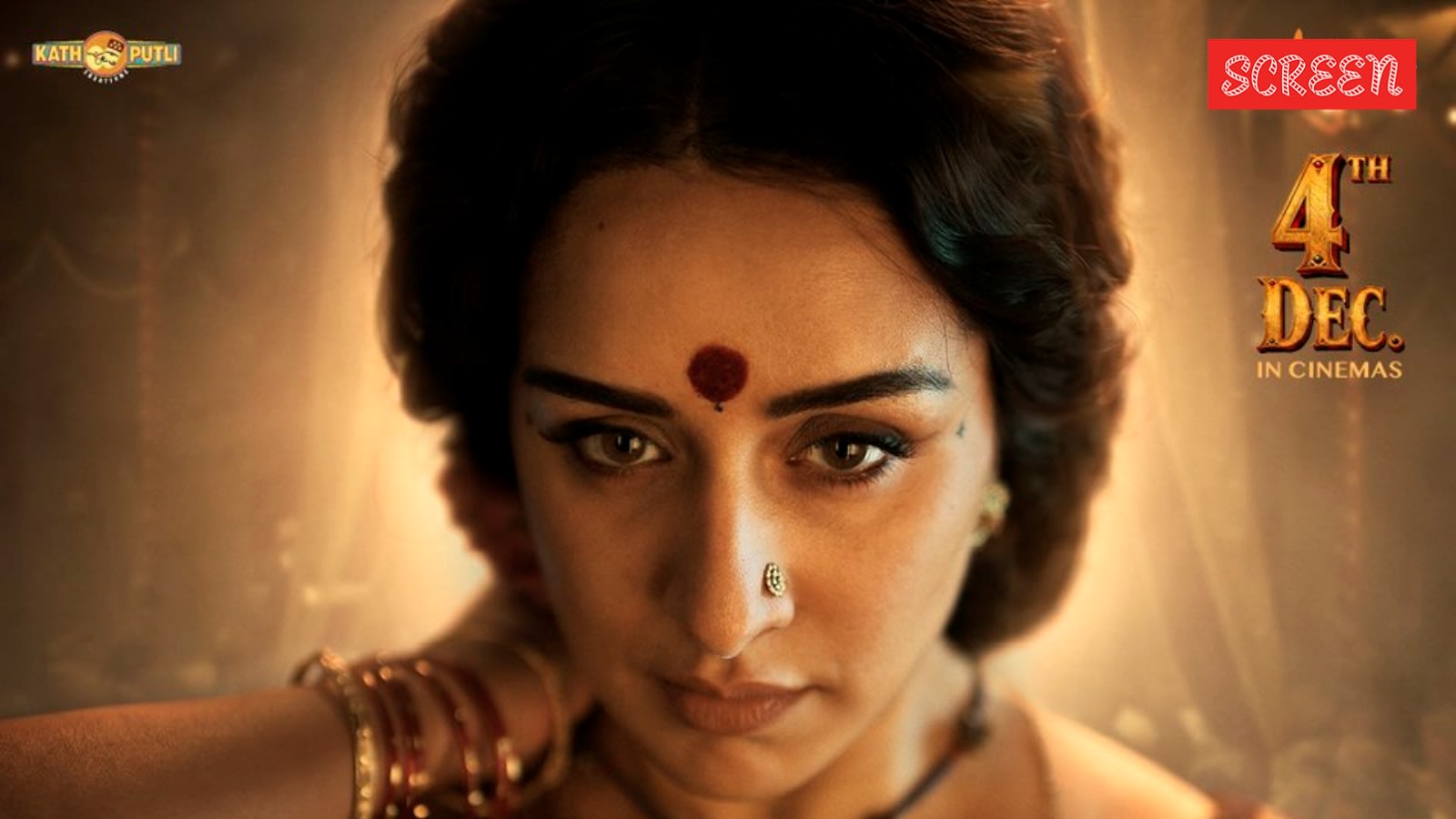
Director Laxman Utekar has sparked controversy regarding his film 'Eetha,' claiming it fails to honor Lavani legend Vithabai. The film, starring Shraddha Kapoor and Randeep Hooda, marks a shift for Utekar following his success with 'Chhaava'.
The Controversy Surrounding Laxman Utekar’s 'Eetha'
The unveiling of the trailer for the upcoming film Eetha, directed by Laxman Utekar and starring Shraddha Kapoor, has ignited a significant cultural discourse. While trailer launches at historic venues like Plaza Cinema are typically celebratory, this event was marked by a pointed critique from the director himself. Laxman Utekar, fresh off the success of his period drama Chhaava, publicly distanced his new project from the legacy of Vithabai, a legendary figure in the traditional Maharashtrian performance art form of Lavani.
A Shift in Creative Direction
Laxman Utekar’s transition from the historical epic Chhaava to Eetha represents a notable pivot in his directorial portfolio. Utekar, known for his ability to weave regional cultural nuances into mainstream cinema, appears to be grappling with the weight of expectations regarding cultural representation. By explicitly stating that Eetha does not honor the legacy of Vithabai, Utekar is managing audience expectations, likely in response to potential comparisons between his film’s portrayal of performance arts and the historical reality of Lavani icons.
The Role of Performance and Identity
The sentiment shared by Randeep Hooda—that a warrior can fight with 'ghungroo' just as effectively as a sword—suggests that Eetha aims to explore themes of resilience and artistic expression as a form of struggle. This philosophical framing attempts to elevate the narrative beyond a simple biopic or traditional dance film. However, this artistic liberty often invites scrutiny when it brushes against the lives of real-world legends, explaining Utekar’s defensive stance regarding the film's thematic independence.
Production and Logistical Challenges
The trailer launch itself was symptomatic of the pressures currently facing the Indian film industry. A four-and-a-half-hour delay, followed by the premature digital release of the trailer before the physical screening for media, highlights the ongoing tension between traditional theatrical experiences and the rapid-fire demands of the digital era. This logistical friction underscores how even high-profile projects are subject to the volatile nature of modern marketing strategies.
Cultural Implications and Future Trends
As Indian cinema continues to explore regional folk arts, the conversation surrounding 'authenticity' vs. 'dramatization' will only grow more intense. Utekar’s preemptive clarification regarding Vithabai suggests a future trend where filmmakers are increasingly cautious about claiming historical accuracy when their narratives are intended as creative fiction. This transparency is likely a response to the growing public demand for respectful representation of regional cultural icons.
Concluding Thoughts
Ultimately, Eetha occupies a complex space between mainstream entertainment and cultural commentary. While the film seeks to redefine the 'warrior' archetype through the lens of performance art, the director’s candid admission regarding the absence of Vithabai’s legacy serves as a reminder of the delicate balance between creative storytelling and historical reverence. As the film approaches its release, the audience will be left to decide if this artistic departure serves the narrative effectively or if the omission of such a foundational figure leaves a void in the film's cultural impact.