Where’s the lead in your turmeric coming from? Study finds farms aren’t the source but processing
Source Entity
The Indian Express
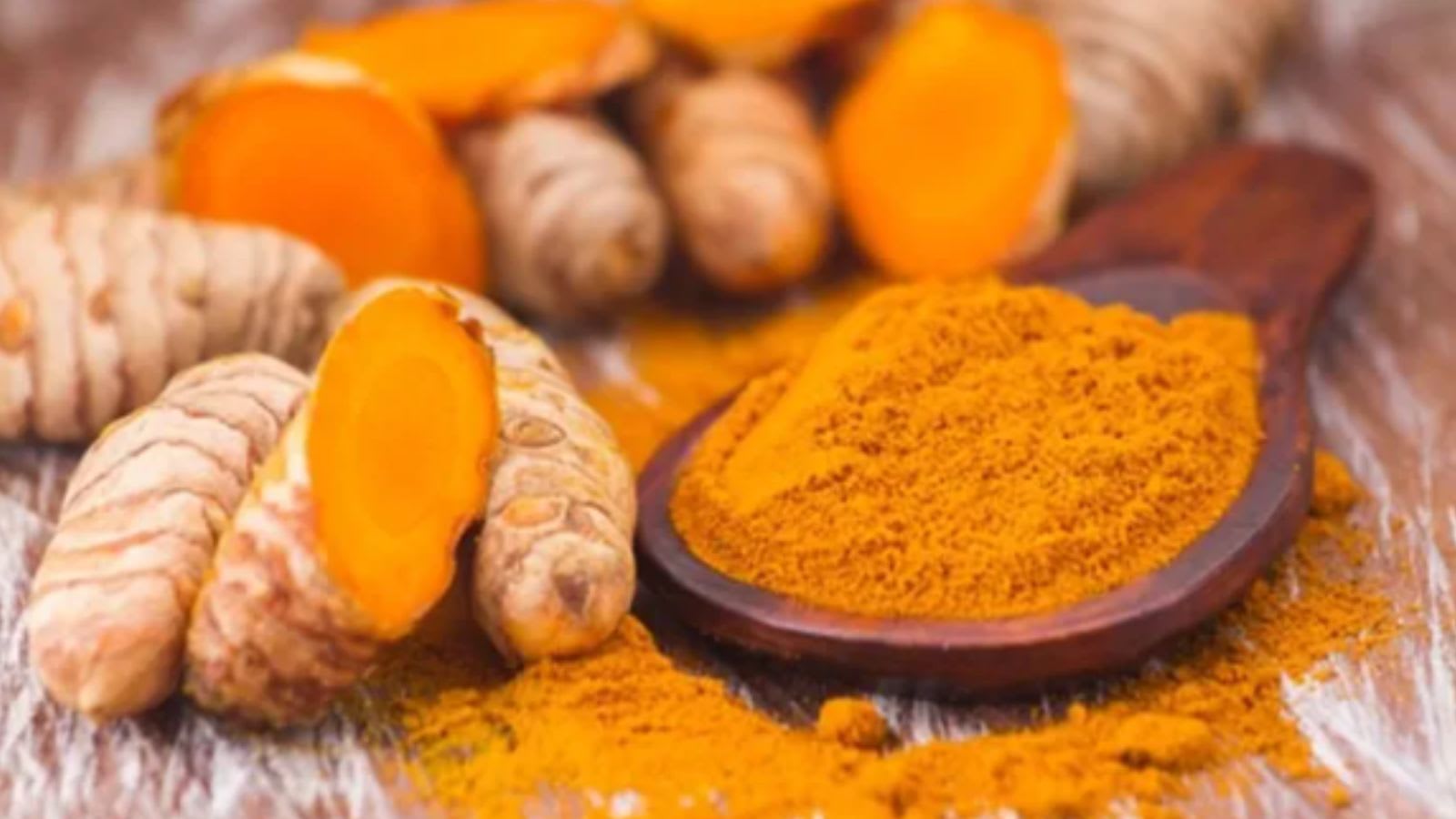
A new Toxics Link study reveals that lead contamination in turmeric occurs during post-harvest processing rather than at the farm level. This finding shifts the focus from agricultural practices to the need for stricter food safety regulations during manufacturing.
The Hidden Path of Lead Contamination in Indian Turmeric
Turmeric, a cornerstone of Indian culinary tradition and Ayurvedic medicine, is currently facing a critical public health investigation. Recent studies have consistently identified alarming concentrations of lead in commercially available turmeric powders, sparking widespread concern among consumers. However, a significant new study conducted by the environmental research organization Toxics Link has provided a breakthrough by isolating the root cause of this contamination, shifting the narrative away from agricultural output and toward industrial processing.
Clearing the Fields: The Farm-Level Evidence
The research reveals a crucial distinction: raw turmeric rhizomes collected directly from farms across six Indian states remain well within the safety parameters established by the Food Safety and Standards Authority of India (FSSAI). With lead levels consistently below the 10 mg/kg threshold, it is now clear that the soil and cultivation methods are not the primary drivers of heavy metal toxicity. This finding is vital for the agricultural sector, as it exonerates farmers from the suspicion that their crops are inherently hazardous, allowing for more targeted regulatory interventions.
The Post-Harvest Processing Crisis
If the lead is not entering the supply chain at the farm, the focus must inevitably shift to the post-harvest environment. The study indicates that contamination is introduced during handling, processing, and manufacturing. This suggests that the machinery, drying environments, or polishing agents used in commercial facilities are likely vectors for lead exposure. When turmeric is processed, it is often subjected to grinding and polishing, where industrial chemicals or contaminated equipment may inadvertently introduce lead particles into the final spice powder.
Regulatory Implications and Oversight
The current regulatory framework, while robust in setting limits, appears to have gaps in monitoring the processing phase. Because the contamination is not uniform across all products, it points to localized failures in quality control rather than a widespread failure of the crop itself. To address this, authorities must shift their enforcement focus from the raw agricultural product to the manufacturing plants and processing centers where the spice is transformed into a market-ready commodity.
Future Trends and Consumer Safety
Moving forward, the industry must adopt stricter traceability and hygiene protocols during the post-harvest cycle. For consumers, this study highlights the importance of choosing brands that adhere to rigorous safety testing and transparent manufacturing practices. As regulatory bodies like the FSSAI integrate these findings into their oversight strategies, we can expect a push toward better equipment standards and stricter monitoring of food processing facilities to ensure that this essential staple remains safe for public consumption.