Ahead of dengue vaccine rollout, all 4 strains found in circulation
Source Entity
ANUJA JAISWAL
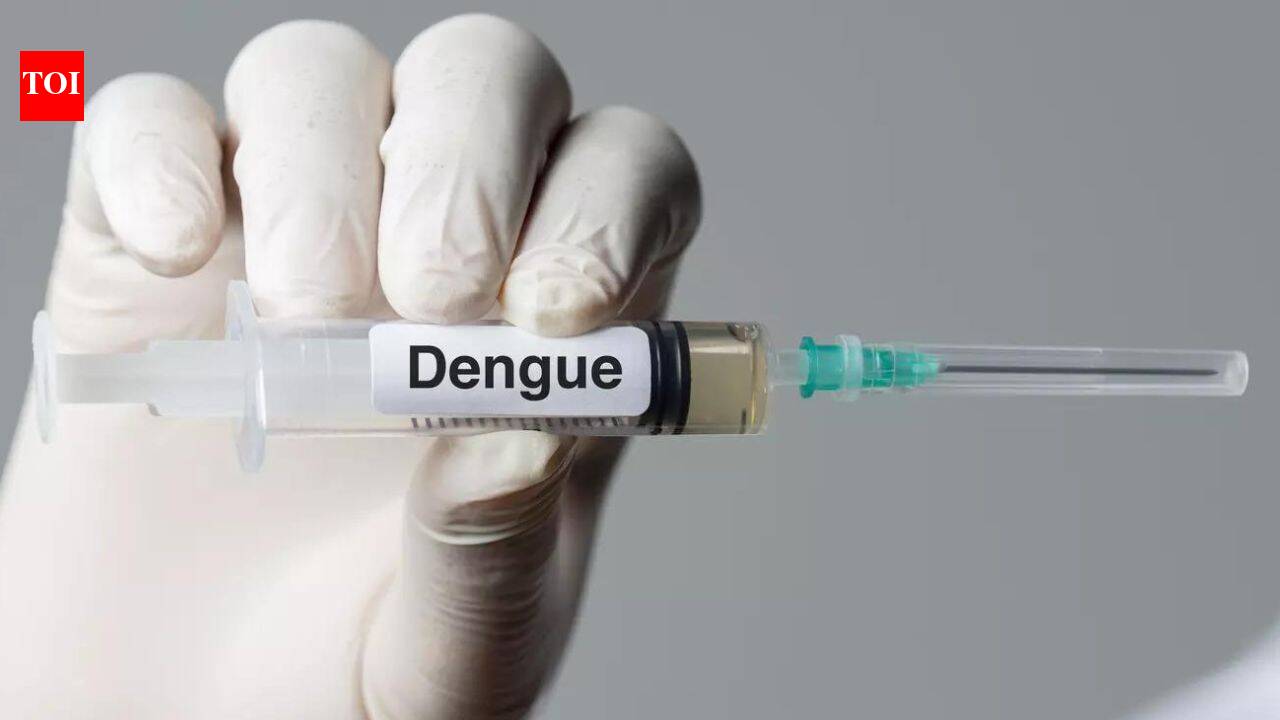
India's first nationwide dengue virus mapping reveals the circulation of all four serotypes across eight states, with DENV-2 identified as the dominant strain. This critical data will shape the nation's upcoming vaccine strategy as officials prepare for a rollout next year.
Understanding India's Dengue Landscape: A New Era of Surveillance
Recent findings from India’s first comprehensive nationwide mapping of dengue virus strains have provided a significant breakthrough in public health preparedness. The study, spearheaded by the ICMR-National Institute of Virology in Pune, analyzed nearly 7,000 lab-confirmed samples to identify the distribution of the four distinct dengue serotypes (DENV-1 through DENV-4). The discovery that all four serotypes are circulating simultaneously across eight states and union territories marks a pivotal moment in understanding the country's epidemiological profile.
The Dominance of DENV-2 and Clinical Implications
The molecular surveillance study has identified DENV-2 as the dominant strain currently circulating across India. This is particularly noteworthy because different serotypes present varying levels of risk to the human population. The presence of multiple serotypes in the same geographic regions increases the complexity of managing outbreaks, as individuals who have been previously infected with one strain may face a heightened risk of developing severe complications if exposed to a different serotype later, a phenomenon known as antibody-dependent enhancement (ADE).
Impact on Future Vaccine Strategy
The timing of this research is critical, as India prepares for a potential dengue vaccine rollout by next year. A successful vaccine strategy must account for the multi-strain environment identified by researchers. Because concurrent infections with multiple strains are linked to more severe clinical outcomes, the vaccine must be capable of providing cross-protection against all four serotypes. This genomic mapping allows health officials to move away from a 'one-size-fits-all' approach and toward a data-driven strategy that addresses the specific viral diversity present in various regions.
The Necessity of Molecular Surveillance
This study underscores the vital importance of continuous molecular surveillance in infectious disease control. By monitoring how these viruses evolve and shift over time, the scientific community can provide policymakers with the evidence required to adjust vaccination protocols and diagnostic tools in real-time. The integration of 45 virus research centers into this project demonstrates a robust national commitment to tracking viral shifts before they escalate into uncontrollable health crises.
Broader Implications and Future Trends
As climate patterns shift and urbanization continues, the geographic spread of mosquito-borne diseases like dengue is expected to remain a significant public health challenge in India. The ability to map these viruses at a granular level will likely become a standard component of epidemic preparedness. Moving forward, the focus will shift toward integrating these surveillance findings into the national immunization program, ensuring that the upcoming vaccines are deployed in a manner that maximizes their efficacy against the specific strains currently circulating in the population.
Conclusion
In summary, the identification of all four dengue serotypes across India provides the necessary scientific foundation to optimize the upcoming vaccine rollout. By prioritizing molecular surveillance, health authorities are better positioned to mitigate the risks associated with multi-strain circulation and severe disease. This proactive approach represents a significant advancement in India's efforts to combat dengue fever and protect vulnerable populations through evidence-based public health interventions.