Now, just one visit for NEET-UG counselling
Source Entity
ANUJA JAISWAL
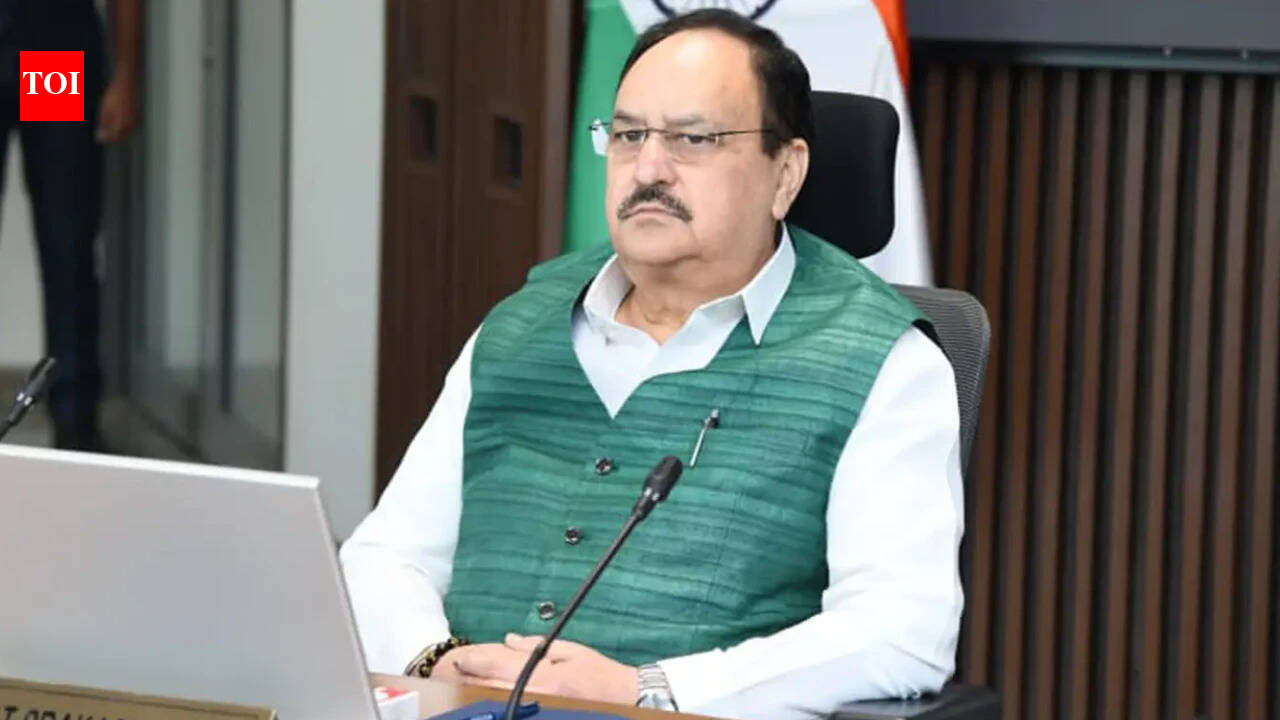
The Indian government has overhauled the NEET-UG 2026 counselling process to prioritize student convenience. Key reforms include one-time physical reporting, online document verification, and digitized seat resignation to ensure a transparent, merit-based system.
Revolutionizing Medical Admissions: The 2026 NEET-UG Reforms
In a significant shift toward digital governance in medical education, the Union Health Ministry, led by Minister J.P. Nadda, has unveiled a suite of reforms for the NEET-UG 2026 counselling process. These changes are designed to streamline the admission journey for thousands of aspirants seeking entry into MBBS, BDS, and BSc Nursing courses under the All India Quota (AIQ). By integrating advanced technology and prioritizing student-centric policies, the Medical Counselling Committee (MCC) aims to move away from the cumbersome bureaucratic hurdles that have historically defined the process.
The Shift to One-Time Physical Reporting
Perhaps the most transformative change is the implementation of a one-time physical reporting framework. In previous years, candidates were often required to make multiple, time-consuming trips to allotted institutions to finalize admissions or secure seat upgrades. The new policy mandates that once a candidate is allotted a seat, they only need to physically report to the institution once to complete document verification for the 'Freeze' option. This reduction in administrative travel is a critical step in lowering the financial and logistical burden on families across India.
Digital Flexibility: The 'Float' Option and Online Verification
To further assist students, the ministry has formalized an online 'Float' option. Candidates who wish to seek better seat allotments in subsequent rounds can now opt to retain their current seat while completing document verification online. This hybrid approach ensures that students do not lose their provisional admission status while exploring better academic opportunities. By digitizing the verification of credentials, the MCC is effectively eliminating the need for redundant physical interactions, thereby enhancing the overall efficiency of the allocation cycle.
Digitization of NRI and Resignation Processes
Transparency remains at the heart of these reforms, particularly concerning complex admission categories. The government has fully digitized the NRI category admission process, a move intended to standardize verification and prevent irregularities. Additionally, the introduction of an online seat resignation mechanism addresses long-standing issues where surrendered seats were not immediately reflected in the vacancy pool. This ensures that every seat is accounted for in real-time, maintaining the integrity of the merit-based system.
Strengthening Infrastructure and Security
During the recent preparedness review chaired by J.P. Nadda, the ministry emphasized the importance of robust IT infrastructure and cybersecurity. As the counselling process moves further into the digital realm, the protection of candidate data and the stability of the portal are paramount. The review involved key stakeholders, including the Directorate General of Health Services (DGHS), to ensure that grievance redressal mechanisms are fully operational and capable of handling student inquiries during the peak admission season.
Future Implications for Medical Education
These 2026 reforms signal a broader trend of leveraging technology to improve public service delivery in India's education sector. By simplifying the counselling process, the government is not only saving time for students but also setting a new standard for institutional efficiency. As these reforms are implemented, the focus will likely remain on refining these digital tools to ensure that the transition from entrance examination to final admission is as seamless and transparent as possible for the next generation of medical professionals.