Distrusting a system is not a problem at all, it is a sure sign of democratic progress: Former Orissa HC Chief Justice S. Muralidhar
Source Entity
India Latest News: Top National Headlines Today & Breaking News | The Hindu
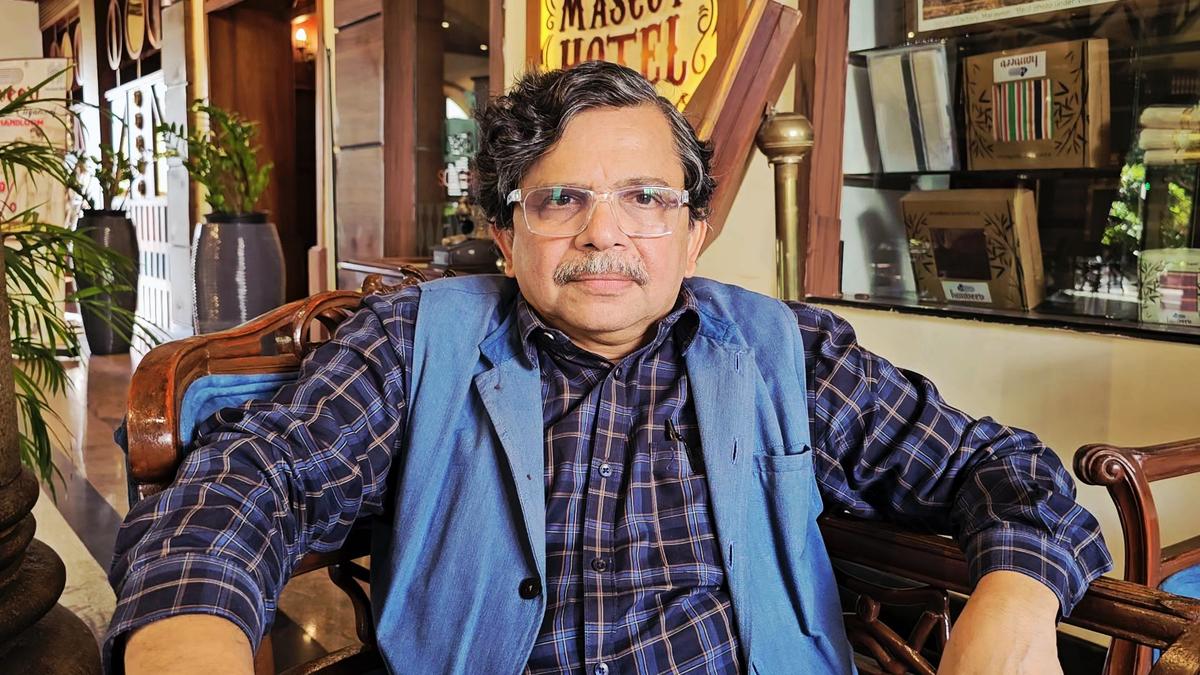
Prominent legal experts S. Muralidhar and G. Mohan Gopal emphasize that dissent and distrust in systems are essential indicators of a healthy, progressing democracy. They argue that protecting constitutional freedoms is critical to resisting authoritarianism and addressing humanitarian failures.
The Imperative of Dissent in a Functioning Democracy
Recent discourse from esteemed legal minds, including former Orissa High Court Chief Justice S. Muralidhar and legal scholar G. Mohan Gopal, has underscored the vital role of dissent and institutional skepticism in maintaining a vibrant democratic society. Both figures argue that the ability to question authority is not merely a political right but a fundamental prerequisite for progress. Justice Muralidhar posits that distrusting a system is a sign of democratic maturation, suggesting that a citizenry that holds its institutions accountable is essential for preventing societal regression.
Protecting Constitutional Freedoms and Article 19
Legal scholar G. Mohan Gopal has highlighted the critical importance of Article 19(1) of the Indian Constitution, which guarantees freedoms that serve as the bedrock of a free society. He warns that contemporary attacks on these channels of dissent are clear indicators of rising authoritarianism. By characterizing the suppression of these voices as a threat to the democratic fabric, experts are calling for a renewed commitment to the protections afforded to citizens, ensuring that the 'biological reality' of diverse thinking is preserved rather than silenced.
The Moral Obligation of Humanitarian Accountability
Justice S. Muralidhar, who currently chairs the UN Independent International Commission of Inquiry on the Occupied Palestinian Territory and Israel, brings a global perspective to the conversation on human rights. He stresses that nations must maintain a 'bottom line' regarding humanitarian standards. Specifically, he asserts that a society loses its moral standing if it becomes indifferent to the suffering of the most vulnerable, such as children dying from starvation or lack of medical aid. This perspective serves as a reminder that constitutional and international law must prioritize human life above political expediency.
Navigating Geopolitics and International Law
Regarding India’s complex diplomatic balancing act between its historical support for the Palestinian cause and its strategic ties with Israel, Justice Muralidhar emphasizes that national compulsions should never supersede the fundamental principles of international humanitarian law. This analysis highlights the tension between state-level strategic interests and the universal duty to protect human rights, suggesting that judicial and constitutional leaders must act as the conscience of the state to ensure that legal bottom lines are never compromised.
Youth Movements and the Future of Civil Liberties
Both experts point to the activism of the younger generation, such as the protests at Jantar Mantar, as a clear signal that the youth are unwilling to accept the suppression of their voices. This generational shift suggests that the future of civil liberties in India will be defined by an increased demand for transparency and a refusal to remain silent in the face of perceived injustices. As these movements continue to evolve, they serve as a testing ground for the resilience of democratic institutions in the face of growing pressure.
Verification Required?