Reform promises to increase tax-free personal allowance to £15,000
Source Entity
BBC News
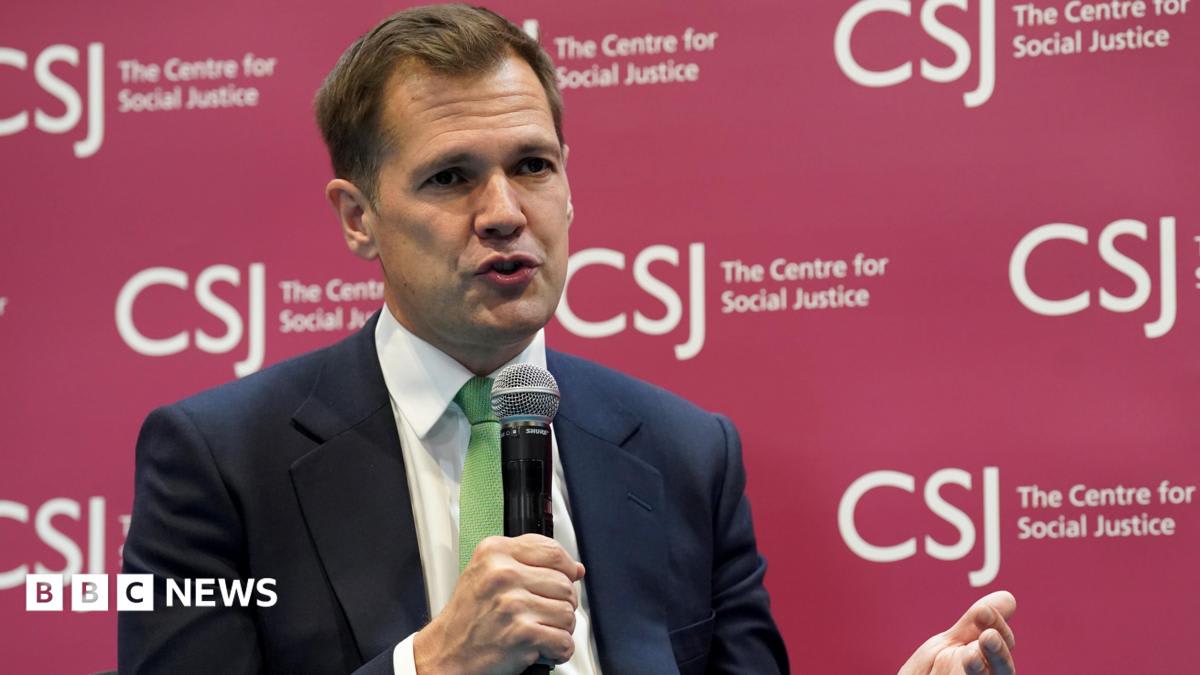
Reform UK has pledged to raise the tax-free personal allowance to £15,000 if they win the next general election. The party plans to fund this policy through £80bn in public spending cuts, aiming to remove millions from the income tax rolls.
Reform UK's Ambitious Tax Strategy
Reform UK has signaled a major shift in its economic platform by pledging to increase the tax-free personal allowance to £15,000. This proposal, championed by the party’s economic spokesman Robert Jenrick, is positioned as a cornerstone of their future electoral strategy. By setting this clear financial target, the party seeks to differentiate itself from traditional fiscal policies and appeal to voters sensitive to the rising cost of living.
The Mechanics of the Proposal
The core of this policy involves raising the current threshold by £2,430. According to the party's projections, this adjustment would result in an annual savings of approximately £500 for the majority of taxpayers. Perhaps most significantly, the party estimates that this shift would lift 2.9 million people out of the income tax bracket entirely, effectively eliminating their tax liability and increasing their disposable income.
Fiscal Feasibility and Spending Cuts
To finance this significant tax relief, Reform UK has outlined a plan to reduce public spending by £80bn. The party estimates that the specific cost of the personal allowance increase will be £17.7bn in its inaugural year, with that figure projected to rise to £21bn by the fifth year of implementation. By anchoring the tax cut to a broader austerity-focused spending plan, the party is attempting to present a coherent, albeit controversial, economic model that prioritizes individual tax relief over current levels of government expenditure.
A 100-Day Deadline
Robert Jenrick has emphasized the urgency of this proposal, stating that the tax cut would be introduced within the first 100 days of his tenure should he become Chancellor. This aggressive timeline suggests a desire to establish immediate political momentum and demonstrate a commitment to fulfilling campaign promises rapidly. It also serves to frame the policy as a high-priority 'flagship' initiative for the party conference in Birmingham.
Broader Economic Implications
The proposal highlights a fundamental debate regarding the role of taxation and government spending in the United Kingdom. By suggesting that tax relief can be funded through massive reductions in public spending, Reform UK is inviting scrutiny regarding which public services may face cuts. This approach challenges the status quo of fiscal policy and will likely serve as a primary point of contention in future debates leading up to the next general election.
Conclusion
In summary, Reform UK's commitment to a £15,000 tax-free allowance represents a bold attempt to reshape the tax landscape. While the policy promises immediate financial relief for millions, its success depends entirely on the party's ability to execute an £80bn reduction in public spending. As the party moves forward, the intersection of these tax cuts and spending reductions will remain a central focus for analysts and voters alike.