Bulldozer action on Saharanpur mosque in UP, Samajwadi Party MP claims house arrest
Source Entity
Manish Sahu
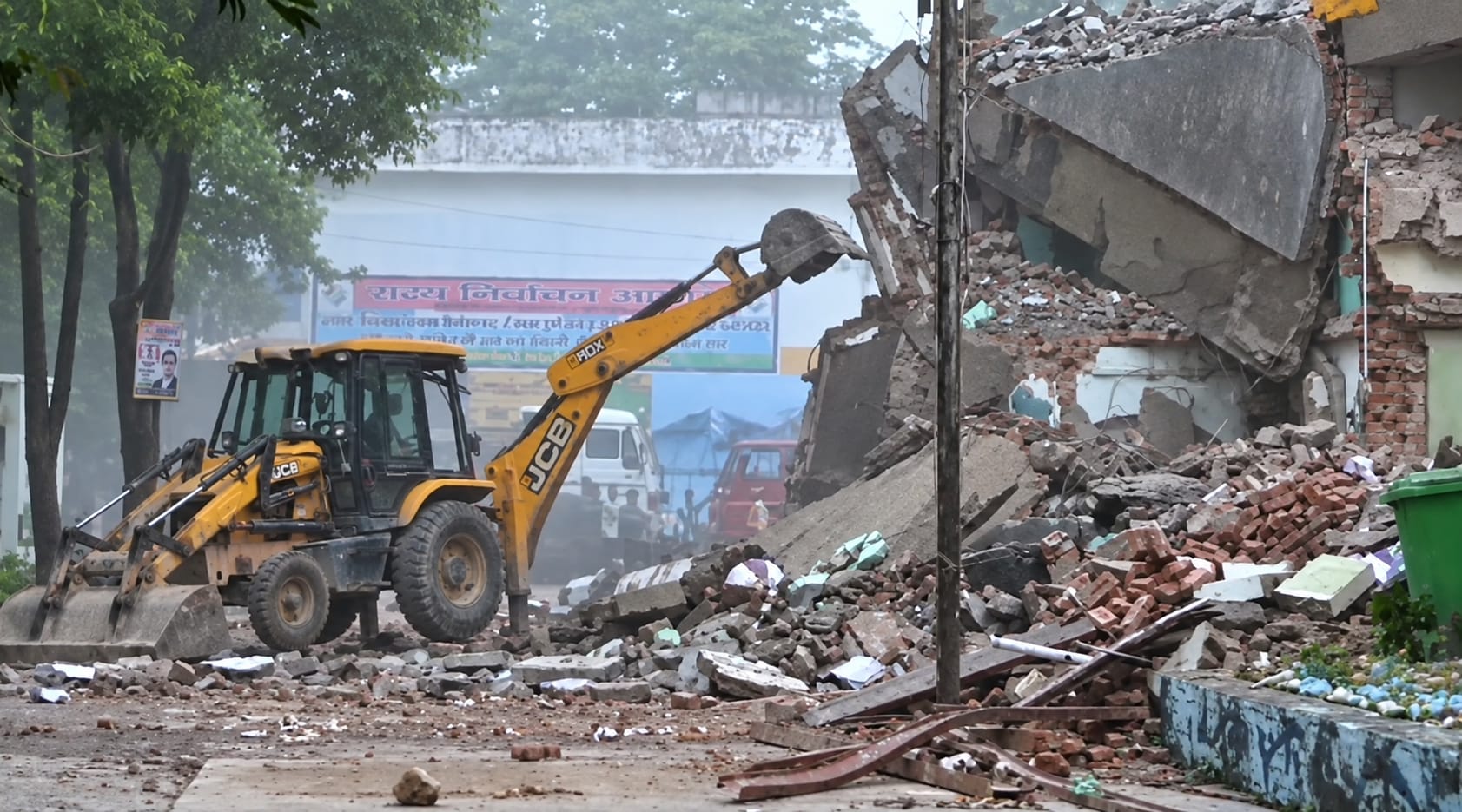
Authorities in Saharanpur demolished an illegal mosque located within the collectorate premises following a court order. The action has sparked political controversy, with opposition leaders questioning the timing and process of the demolition.
The Saharanpur Mosque Demolition: Legal and Political Context
On Saturday, September 5, 2026, local authorities in Saharanpur, Uttar Pradesh, conducted the demolition of a mosque situated within the District Magistrate’s office complex. The operation, which involved a significant deployment of police and administrative officials, including the Sub Divisional Magistrate and the City Magistrate, was carried out to clear what the government identified as an encroachment on public land.
Legal Foundation of the Administrative Action
The demolition followed a series of legal proceedings that began in July 2026, when the City Magistrate issued an initial order declaring the structure illegal. The mosque management committee challenged this decision; however, on September 4, 2026, the District Judge’s court dismissed their appeal. By upholding the lower court's ruling, the judiciary confirmed that the structure was an unauthorized occupation of government property, providing the necessary legal mandate for the district administration to proceed with the removal.
Security and Execution
The execution of the demolition was characterized by a heavy police presence, underscoring the sensitivity of the operation. Saharanpur DIG Abhishek Singh confirmed that the demolition was the direct result of the court's finding that the structure was illegally constructed on government land. The timing, occurring in the early morning hours, appears to have been a strategic choice by the administration to ensure the operation concluded without significant public disruption or civil unrest.
Political Backlash and Opposition Response
The demolition has triggered a swift political response. Prominent opposition figures, including Samajwadi Party leader Akhilesh Yadav and AIMIM chief Asaduddin Owaisi, have publicly questioned the methodology of the state government. Specifically, critics have raised concerns regarding the timing of the demolition—conducted at 5:00 AM—and the broader implications for religious structures in the state. Furthermore, Kairana Lok Sabha MP Iqra Hasan reported being prevented from reaching the site, adding another layer of political tension to the event.
Broader Implications for Land Management
This incident highlights the ongoing friction between administrative efforts to reclaim government land and the preservation of religious structures. In the context of Uttar Pradesh, where the state government has frequently utilized demolition as a tool for urban planning and anti-encroachment drives, this case serves as a benchmark for how future disputes involving public property and religious sites may be adjudicated. The reliance on court orders suggests an attempt by authorities to ground these sensitive actions within a formal legal framework.
Future Trends and Conclusion
As the state continues to enforce strict land-use policies, it is likely that further disputes over 'illegal' structures on government premises will arise. The intersection of administrative authority, judicial oversight, and political opposition will remain a defining feature of such operations. Moving forward, the balance between maintaining the sanctity of government property and addressing the grievances of affected communities will remain a critical challenge for the administration, likely continuing to serve as a flashpoint in regional politics.
Multiple Citing Sources