The Legend of Zelda: Ocarina of Time never gets old
Source Entity
Andrew Webster
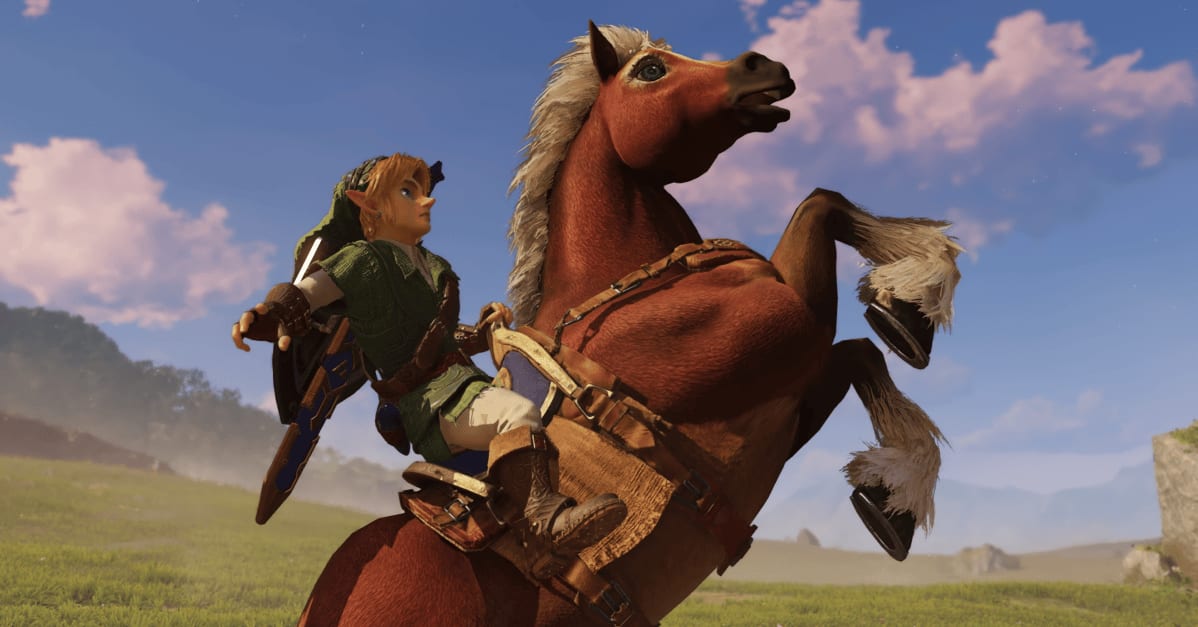
Nintendo is set to release a modernized remake of The Legend of Zelda: Ocarina of Time for the Switch 2, featuring realistic visuals and updated gameplay mechanics. This release marks a return to the series' roots while incorporating lessons learned from the open-world success of Breath of the Wild.
The Return of a Legend: Ocarina of Time on Switch 2
Nintendo has officially announced a highly anticipated remake of The Legend of Zelda: Ocarina of Time for the upcoming Switch 2 console. Arriving 28 years after the original Nintendo 64 release, this title aims to bridge the gap between the franchise's linear past and the modern, open-world era. By launching alongside special edition hardware, including a Switch 2 and a commemorative Pro Controller featuring Triforce imagery, Nintendo is signaling that this remake is a cornerstone of their new console's launch strategy.
Modernizing a Classic
While the remake maintains a strict faithfulness to the original game's design, it introduces significant quality-of-life improvements. Players can expect a much more realistic visual style, full voice acting, and refined movement mechanics, including a dedicated jump button and a sprinting feature. The inclusion of a new “Threads of Time” tracking system is a thoughtful addition, designed to help players navigate the complex narrative structure of the original journey without losing their place.
The Shadow of Breath of the Wild
To understand the significance of this remake, one must look at the seismic shift caused by Breath of the Wild. That title redefined the Zelda franchise by prioritizing player freedom, non-linear exploration, and creative problem-solving. This design philosophy extended into Tears of the Kingdom and Echoes of Wisdom, creating a trend where the traditional, linear structure of older Zelda games seemed to be fading into history.
A Strategic Pivot
By choosing Ocarina of Time as a major exclusive for the Switch 2, Nintendo is making a calculated move to satisfy long-time fans who miss the structured, narrative-driven experiences of the past. This remake serves as a bridge, proving that the "traditional" Zelda formula—once thought to be a thing of the past—can still hold massive appeal when updated with modern engine capabilities and gameplay refinements.
Future Implications for the Franchise
This release suggests that Nintendo is adopting a dual-pronged approach to its most valuable IP. Moving forward, we can likely expect a coexistence of the massive, open-ended adventures popularized by the Switch era alongside high-fidelity remakes of classic titles. This strategy maximizes the brand's reach, catering to both the modern audience that demands total freedom and the legacy audience that craves the tight, intentional design of the N64 era.
Conclusion
The Legend of Zelda: Ocarina of Time remake is more than just a nostalgic trip; it is a technical showcase for the Switch 2. By blending the core DNA of the original masterpiece with modern gameplay innovations, Nintendo is positioning this title to be a defining moment for their new hardware, proving that even after nearly three decades, the legend of Hyrule remains as vital as ever.