Leon Black sues Democrat Congressman Robert Garcia over alleged false statements linking him to Epstein
Source Entity
Latest News: Todays Latest News Headlines from India & World | Hindustan Times
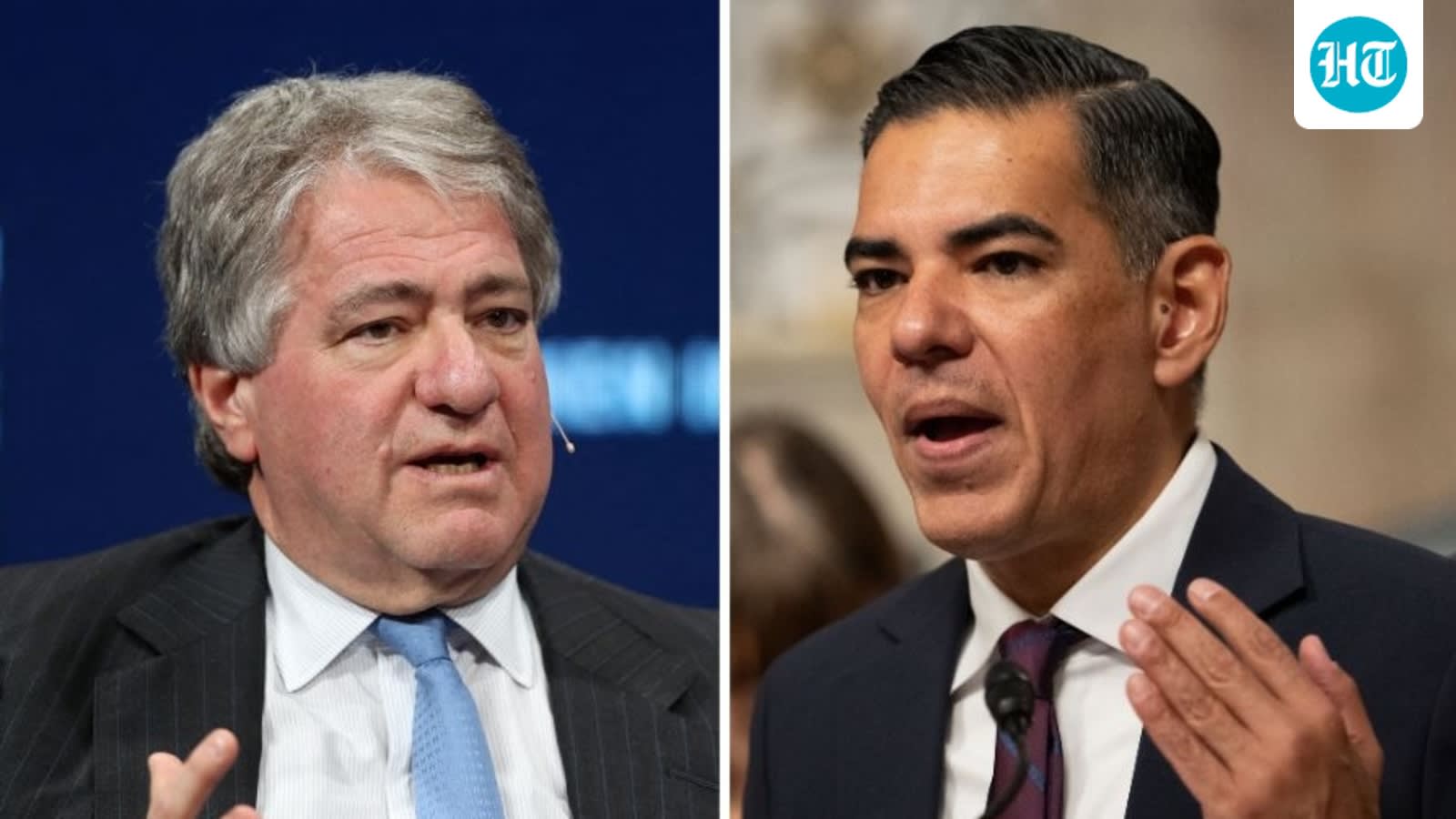
Apollo Global Management co-founder Leon Black has filed a defamation lawsuit against Congressman Robert Garcia. The suit alleges Garcia falsely labeled Black as the 'center' of Jeffrey Epstein’s criminal activities.
Legal Confrontation: Leon Black vs. Congressman Robert Garcia
The Core Dispute
Apollo Global Management co-founder Leon Black has initiated a high-profile defamation lawsuit against U.S. Representative Robert Garcia, a Democrat from California. At the center of this legal battle is the allegation that Congressman Garcia, who serves as the ranking member on the House Committee on Oversight and Government Reform, disseminated demonstrably false information regarding Black’s connection to the late convicted sex offender, Jeffrey Epstein. The lawsuit seeks to address claims made by Garcia that purportedly characterized Black as the central figure in Epstein’s criminal network.
Contextualizing the Allegations
The animosity stems from statements made following a voluntary interview conducted in June, in which Leon Black provided testimony to the House Oversight Committee. Black, who has maintained that he had no involvement in or knowledge of the illicit activities perpetrated by Epstein, argues that Garcia’s public framing of him constitutes a malicious misrepresentation of his testimony and character. By pinning the label of the 'center of Jeffrey Epstein’s crimes' onto Black, the lawsuit contends that Garcia leveraged his position of power to damage the billionaire’s reputation beyond the scope of legitimate political discourse.
The Intersection of Law and Political Speech
This case highlights the ongoing friction between the protection of political speech and the legal standards governing defamation. While members of Congress often enjoy a degree of immunity for statements made during legislative proceedings, the threshold for defamation remains a critical debate when public officials make inflammatory accusations in the media or public forums. The legal challenge will likely hinge on whether Garcia’s comments are protected as privileged speech or if they cross the line into actionable defamation by misrepresenting the factual record established during the committee proceedings.
Implications for Legislative Oversight
The involvement of a high-ranking committee member adds a layer of institutional complexity to the suit. As the ranking Democrat on the House Committee on Oversight and Government Reform, Congressman Garcia occupies a role intended for rigorous investigation and accountability. When such a prominent figure is accused of misrepresenting facts, it invites scrutiny regarding the integrity of the oversight process itself. This lawsuit forces a public examination of how congressional representatives utilize their platform to interpret and relay information regarding high-profile witnesses.
Broader Trends and Future Outlook
As the legal proceedings unfold, the outcome may set a significant precedent for how public officials communicate about private citizens who are called to testify before government bodies. If the courts find that Garcia’s statements exceeded the bounds of protected speech, it could lead to stricter scrutiny of how politicians frame their narratives surrounding controversial figures like Epstein. Conversely, a ruling in favor of the Congressman could reinforce the broad protections afforded to legislators, potentially emboldening future public rhetoric regarding individuals linked to scandalous or criminal associations.
Conclusion
The litigation between Leon Black and Congressman Robert Garcia is more than a personal dispute over reputation; it is a test of accountability in the digital age of political messaging. With both parties holding significant influence—one in the financial sector and the other in the legislative branch—the resolution of this case will be closely watched by legal experts and political analysts alike. The core question remains whether the pursuit of legislative oversight allows for the characterization of witnesses in a manner that falls outside the established factual record.
Verification Required?