Over 30 operatives killed by 'Indian agents' since 2020: LeT commander
Source Entity
RAJ SHEKHAR JHA
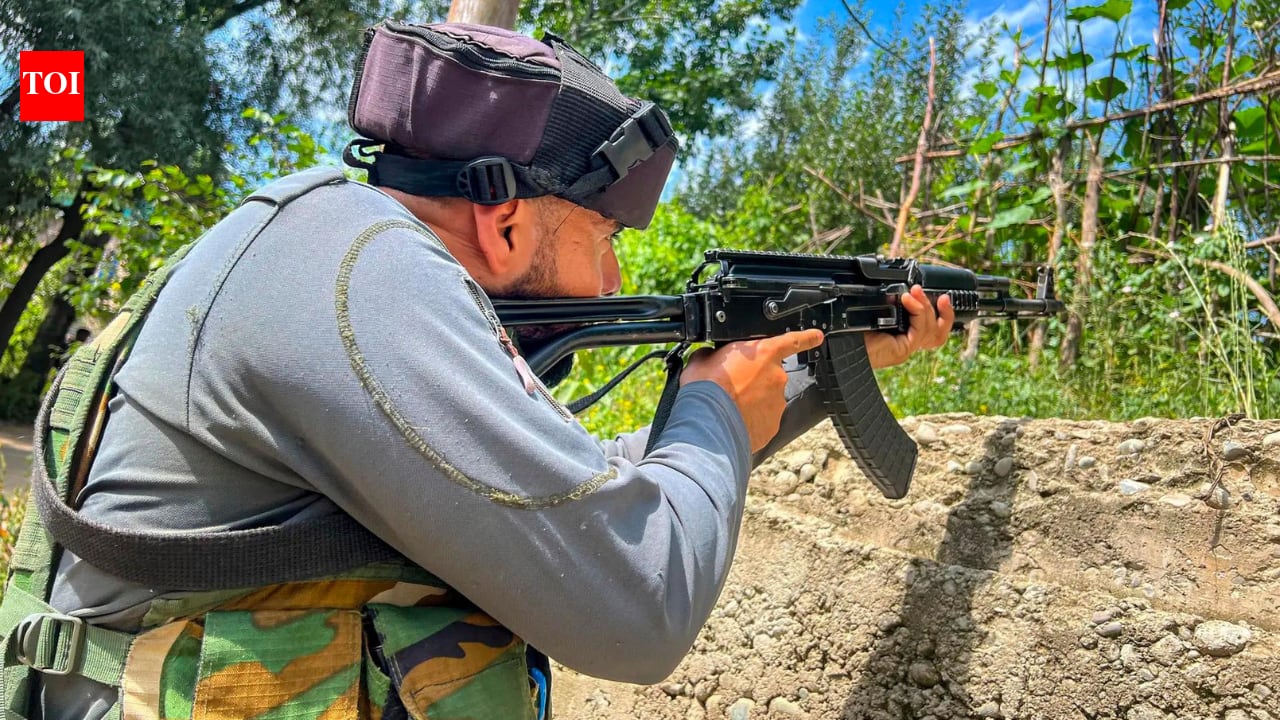
Lashkar-e-Taiba commander Rizwan Hanif has alleged that Indian agents are responsible for the targeted killings of over 30 operatives in Pakistan since 2020. This claim, framed as religious persecution, emerges amidst escalating military rhetoric and regional instability.
Allegations of Targeted Killings: A Deep Dive into the LeT Narrative
The Claim and its Source
In a notable public admission, Rizwan Hanif, a senior commander within the Lashkar-e-Taiba (LeT) organization, has alleged that Indian intelligence operatives have orchestrated the systematic elimination of more than 30 individuals across various locations in Pakistan since 2020. This assertion marks a shift in how militant groups are communicating their internal vulnerabilities, moving from silence regarding losses to public declarations of victimhood.
Characterizing the Violence
Hanif has specifically framed these alleged extrajudicial actions as acts of religious persecution, a narrative strategy designed to garner sympathy and mobilize support bases by reframing tactical losses as ideological martyrdom. By rejecting the authority of foreign entities and casting these deaths as part of a targeted campaign, the LeT is attempting to portray its operatives not as combatants, but as targets of a broader geopolitical vendetta.
Geopolitical Context and Strategic Narrative
This statement arrives at a period of heightened rhetoric from Pakistan's military establishment. Experts suggest that the timing of this disclosure is not coincidental; it serves a dual purpose of bolstering internal morale following significant organizational setbacks and shaping the international perception of the security situation in the region. By publicizing these claims, the LeT is contributing to a broader information warfare environment characterized by mutual accusations of destabilization.
Historical Implications of Cross-Border Tensions
The history of South Asian security is deeply rooted in clandestine operations and persistent allegations of state-sponsored interference. The LeT, a group designated as a terrorist organization by multiple international bodies, has long been at the center of these tensions. The claim that over 30 operatives have been killed suggests a significant degradation in the operational capacity of such groups, indicating that the landscape of intelligence-led counter-terrorism has become increasingly lethal for these actors.
Future Trends and Regional Stability
Looking ahead, these allegations are likely to further strain the already brittle diplomatic relations between India and Pakistan. As militant organizations become more vocal about their internal attrition, the pressure on regional governments to respond—either through rhetoric or military posturing—increases. Observers should anticipate continued volatility as these narratives are weaponized to justify further escalation or to solidify domestic political stances regarding national security.
Conclusive Summary
The allegations made by Rizwan Hanif represent a significant development in the ongoing discourse surrounding regional militancy. While the veracity of the specific claim—that Indian agents are behind 30 deaths—remains unverified by independent international bodies, the strategic intent behind the statement is clear. It highlights an environment where militant groups are increasingly feeling the pressure of counter-intelligence operations, leading them to adopt new, public-facing narratives to survive and maintain relevance in a high-stakes geopolitical theater.