Kalashtami August 2026: Date, timings and why this lunar day holds astrological significance
Source Entity
Latest News: Todays Latest News Headlines from India & World | Hindustan Times | Hindustan Times
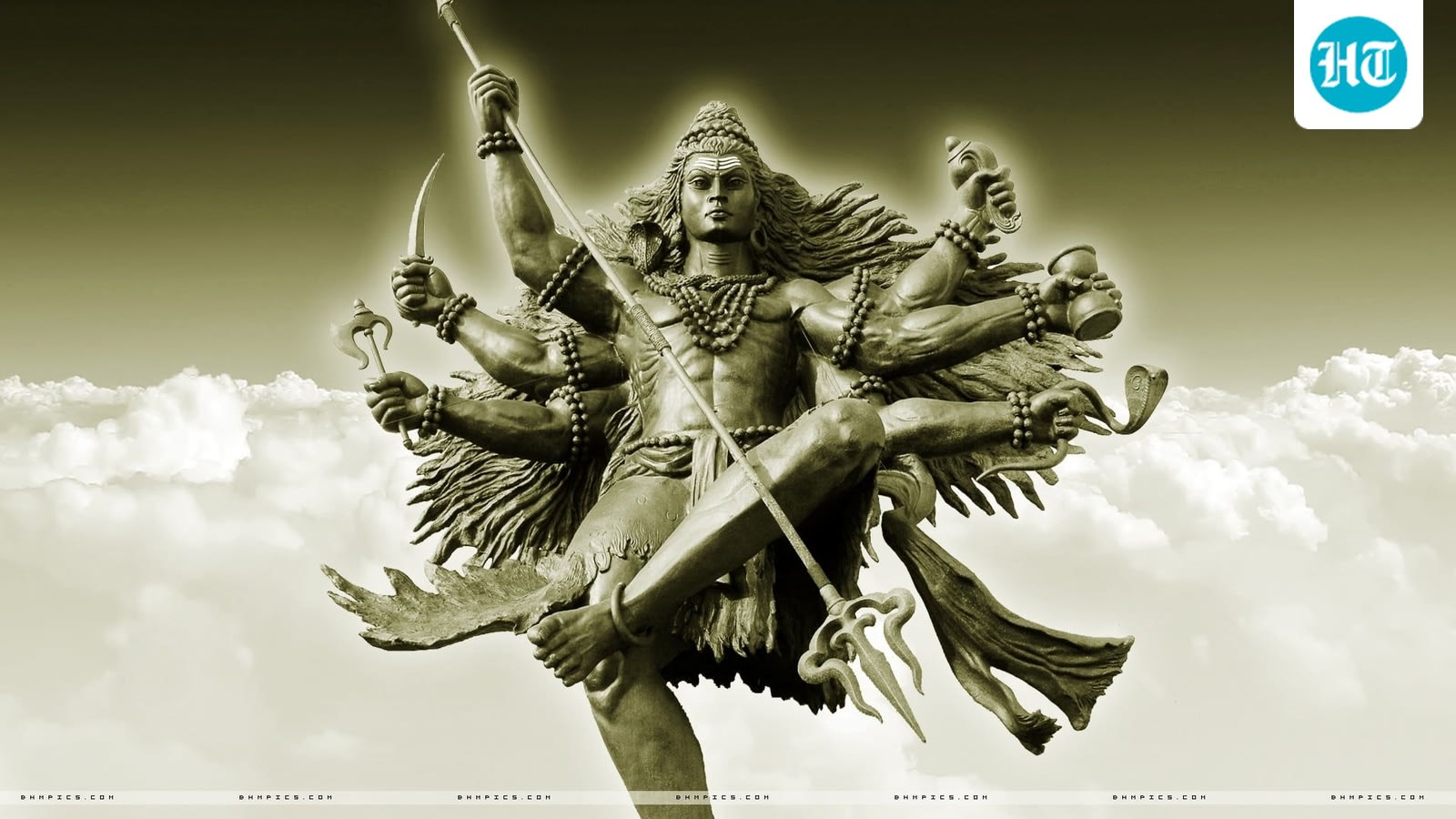
Kalashtami, a significant observance in Vedic astrology, falls on August 5, 2026. Devotees honor Lord Kaal Bhairav during this waning lunar phase, which is traditionally associated with emotional cleansing and self-discipline.
The Significance of Kalashtami in Vedic Astrology
Kalashtami represents a pivotal monthly observance within the Vedic astrological calendar, occurring specifically on the Ashtami Tithi during the Krishna Paksha, or the waning phase of the moon. For the year 2026, this sacred day is scheduled for Wednesday, August 5. According to calculations from Drik Panchang, the Ashtami Tithi begins at 8:42 pm on August 5 and concludes at 6:52 pm on August 6. Because the lunar day prevails during the night hours, the primary fast and associated rituals are designated for August 5.
The Spiritual Essence of the Waning Moon
In the context of Vedic tradition, the waning phase of the moon is not viewed with negativity, but rather as an essential period for introspection. Astrologers emphasize this lunar window as an ideal time for "letting go," facilitating emotional cleansing, and shedding outdated behavioral patterns. The transition from the full moon toward the new moon serves as a metaphorical guide for practitioners to engage in deep self-reflection and the cultivation of inner strength.
Honoring Lord Kaal Bhairav
At the heart of the Kalashtami observance is the veneration of Lord Kaal Bhairav. As a fierce manifestation of Lord Shiva, Kaal Bhairav is often depicted as the protector of time and the destroyer of ego. Devotees believe that by engaging in disciplined rituals on this specific day, they can overcome negative influences in their lives and foster a sense of spiritual resilience. The practice is deeply rooted in the belief that discipline, when synchronized with lunar cycles, yields profound personal transformation.
Rituals and Observance Protocols
For those who observe Kalashtami, the day is characterized by a commitment to self-discipline. The timing of the Tithi is crucial, as the nocturnal nature of the observance requires participants to align their prayers and fasting with the specific lunar transit. By adhering to these traditional timings, practitioners aim to tap into the astrological energies that are believed to be at their peak during the Krishna Paksha.
Broader Cultural Context and Future Trends
Kalashtami exists within a broader tapestry of sacred days in the Hindu calendar, such as the concurrently noted Mangla Gauri Vrat during the month of Shravan. As interest in Vedic astrology continues to grow globally, these lunar observances are increasingly being recognized not just for their ritualistic value, but as tools for mindfulness and stress management. The focus on releasing negative patterns aligns with modern wellness trends that prioritize mental clarity and the intentional shedding of emotional burdens.
Conclusion
As we look toward August 2026, the observance of Kalashtami stands as a reminder of the enduring connection between celestial cycles and human practice. By honoring the traditions of Lord Kaal Bhairav and embracing the introspective qualities of the waning moon, devotees continue to uphold a centuries-old framework for personal and spiritual development.
Verification Required?