Build specialized multimodal models with LFM3
Source Entity
Hugging Face - Blog
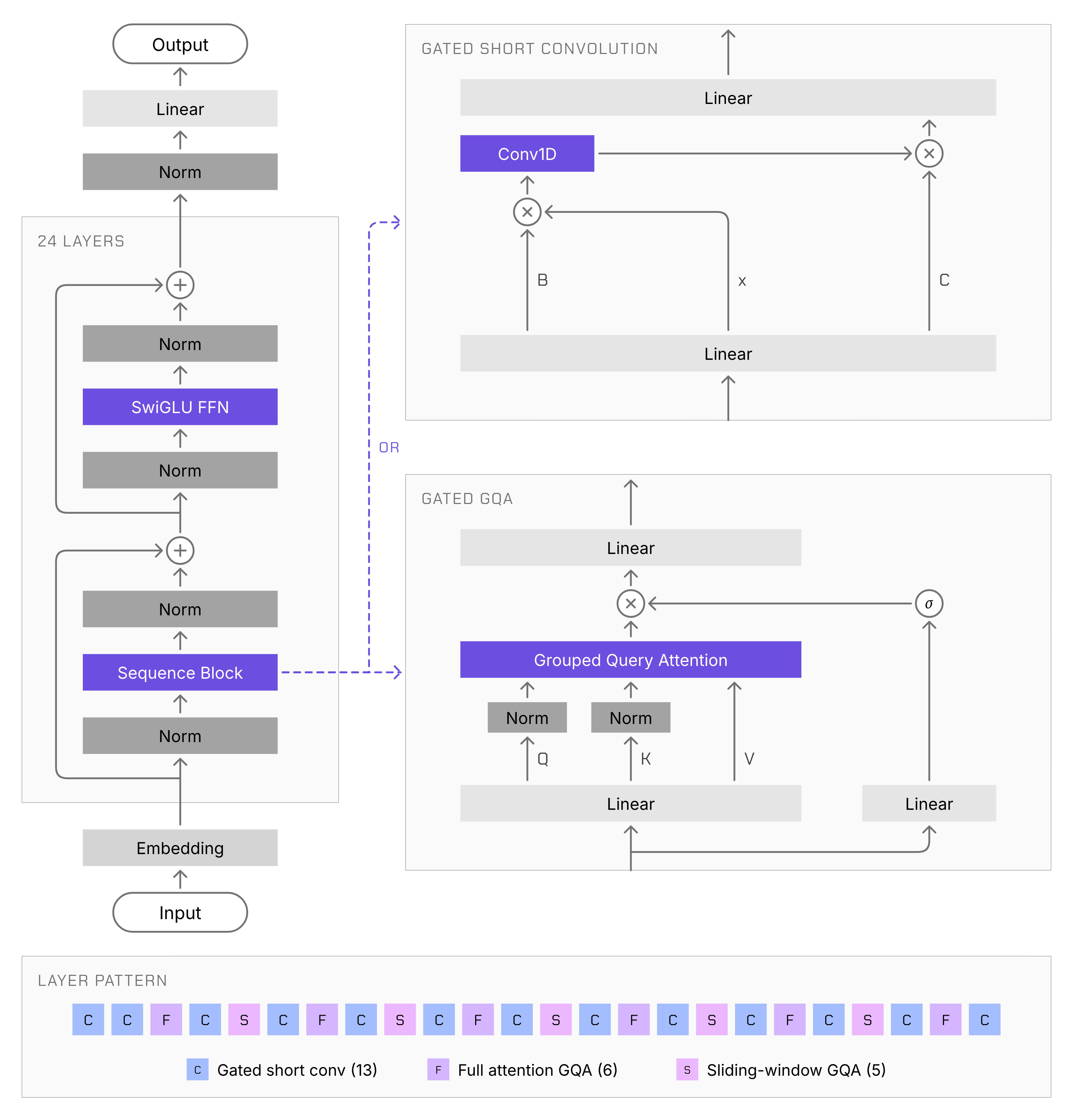
The LFM3 generation of Liquid Foundation Models introduces a highly efficient, multimodal architecture capable of handling text, vision, audio, and decision-making. By utilizing a 2B parameter range and a tri-hybrid backbone, these open-weight models enable specialized, local fine-tuning on single GPUs.
The Evolution of Liquid Foundation Models: Introducing LFM3
The landscape of artificial intelligence is currently undergoing a significant shift toward efficiency and specialization. The announcement of LFM3, the latest generation of Liquid Foundation Models (LFMs), marks a critical milestone in this transition. By consolidating text, vision, audio, omni, and decision-making capabilities onto a singular, shared backbone, LFM3 aims to provide a robust starting point for developers seeking to build highly specialized intelligence applications.
Architectural Advancements and Efficiency
At the core of LFM3 is a revolutionary tri-hybrid architecture supported by an extensive training regimen consisting of 22T tokens. This technical foundation allows the 1.7B parameter version of LFM3 to outperform its predecessor, the LFM2.5-2.6B, while utilizing 35% fewer parameters. This improvement in "capability per parameter" is vital for the industry, as it demonstrates that model intelligence is not solely dependent on massive scale, but rather on architectural refinement and optimized training data.
The Shift Toward Specialized Intelligence
Unlike massive general-purpose models that often require significant computational resources, the LFM3 family focuses on the 2B parameter range. This strategic size selection is intentional, designed specifically to facilitate local fine-tuning. By enabling developers to train these models on their own data using only a single GPU, the barrier to entry for creating reliable, expert-level AI agents is significantly lowered. This shift empowers individual developers and smaller organizations to deploy sophisticated models that are tailored to specific domains without needing enterprise-grade server clusters.
Multimodal Integration on a Shared Backbone
One of the most notable features of LFM3 is its inherent multimodality. By bringing diverse data types—text, vision, audio, and decision-making—onto one shared backbone, the model achieves a level of cross-functional coherence that was previously difficult to manage in smaller models. This integration allows for more nuanced performance when applications require a combination of sensory inputs and logical reasoning, such as in robotics or advanced interface design.
Deployment Flexibility and Open Weights
Perhaps the most impactful aspect of the LFM3 release is its commitment to accessibility through open-weight models. Because these models are designed to be efficient enough to run on virtually any device, the deployment possibilities are immense. From edge computing and mobile applications to private, on-premise enterprise environments, the LFM3 family provides the necessary flexibility to ensure that intelligence can reside exactly where the application runs, rather than being tethered to a centralized cloud service.
Future Trends and Market Implications
As we look ahead, the release of LFM3 signals a broader trend toward the decentralization of AI. By proving that smaller, highly efficient models can achieve expert-level performance, the industry is likely to see a surge in specialized AI agents that are highly performant yet lightweight. This trajectory suggests that the future of AI development lies in the hands of creators who leverage efficient architectures to solve specific, complex problems, rather than relying on the brute force of giant, general-purpose models.