Lindsay Clancy trial update: Patrick Clancy's lawyers warn of ‘real life consequences’ amid swirling speculations
Source Entity
Latest News: Todays Latest News Headlines from India & World | Hindustan Times | Hindustan Times
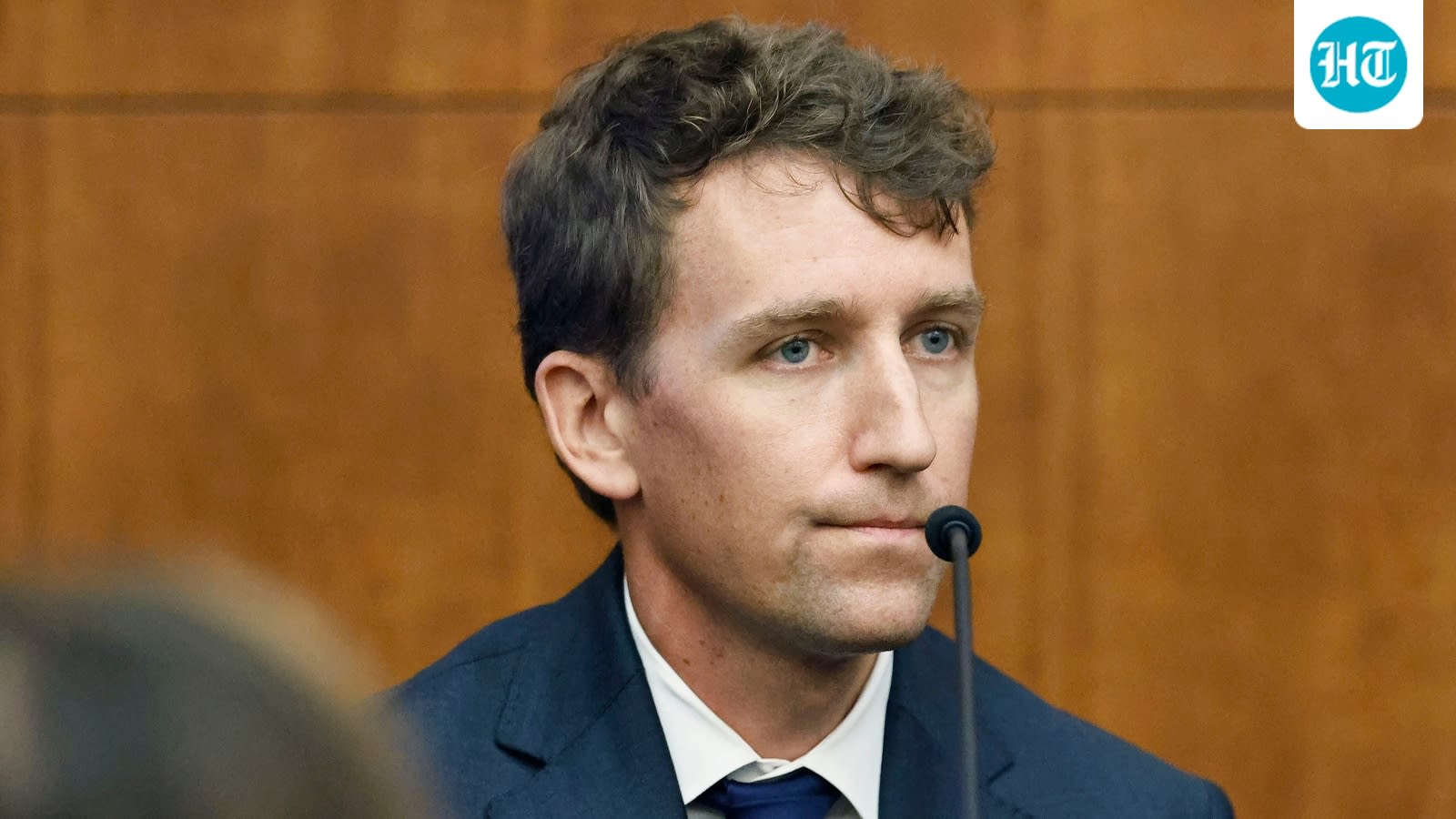
As the trial of Lindsay Clancy nears its conclusion, legal representatives for Patrick Clancy have issued stern warnings against harmful social media speculation. The defense of the truth remains central as the jury prepares to deliberate on the tragic deaths of the couple's three children.
The Legal and Ethical Crosshairs of the Lindsay Clancy Trial
As the trial of Lindsay Clancy enters its final stages, the legal proceedings have been overshadowed by a surge in digital misinformation. Lindsay Clancy, who stands accused of the tragic deaths of her three children—Cora, Dawson, and Callan—has seen her case become a focal point for intense public scrutiny. With the trial nearing its conclusion and jury deliberations imminent, the legal team representing Patrick Clancy has issued a formal warning regarding the 'real-life consequences' of the rampant speculation currently circulating online.
The Impact of Social Media Misinformation
The digital age has introduced a complex layer to criminal justice: the court of public opinion often operates in direct opposition to the court of law. In this instance, social media platforms have become breeding grounds for unsubstantiated theories involving Patrick Clancy and his partner, Dr. Rachel Danis. These digital narratives have moved beyond mere gossip, attempting to reframe the timeline of personal relationships in ways that shift blame toward those grieving the loss of their children. The disappearance of Dr. Danis’s professional online profile serves as a stark indicator of the harassment and intrusive scrutiny that witnesses and families now face during high-profile trials.
Legal Integrity and the Stipulation of Facts
Despite the noise generated by social media, the legal framework of the case remains anchored in the stipulation of facts agreed upon by the defense. Patrick Clancy’s decision to testify for the prosecution against his ex-wife is a profound moment in the judicial process, underscoring the gravity of the charges. The legal team’s intervention is not merely a request for privacy; it is a defense of the trial's integrity. By curbing the spread of 'wild theories,' the legal counsel aims to ensure that the jury can focus exclusively on the evidence presented in the courtroom rather than being swayed by external, inflammatory narratives.
The Human Cost of High-Profile Litigation
Beyond the courtroom proceedings, the situation highlights the severe psychological toll on families involved in criminal tragedies. The Clancy case serves as a grim reminder that when private grief is thrust into the public domain, the victims' surviving family members are often subjected to secondary trauma. The warning from Patrick Clancy’s lawyers addresses a critical societal issue: the lack of accountability for online actors who treat real-world tragedies as entertainment or conspiracy-driven fodder.
Future Implications for Courtroom Transparency
As the case moves toward a verdict, the legal community will likely reflect on how this trial was handled in the digital sphere. The necessity for legal teams to actively combat online misinformation is becoming a standard, albeit unfortunate, part of litigation. The outcome of the Clancy trial will not only determine the legal culpability of the defendant but will also serve as a case study for how the legal system must adapt to protect the sanctity of the courtroom from the encroaching pressures of internet-driven speculation.
Conclusion
The impending jury deliberations mark the final chapter of a deeply distressing trial. As the legal process reaches its climax, the primary focus must return to the facts presented under oath. By calling for an end to the speculation surrounding Patrick Clancy and Dr. Rachel Danis, the legal team is attempting to preserve the dignity of the victims and ensure that justice is delivered based on evidence, not on the volatile and often inaccurate narratives of the digital crowd.
Verification Required?