China's Xi Jinping to visit India with 400-member delegation for Brics: Report
Source Entity
TRISHA MAHAJAN
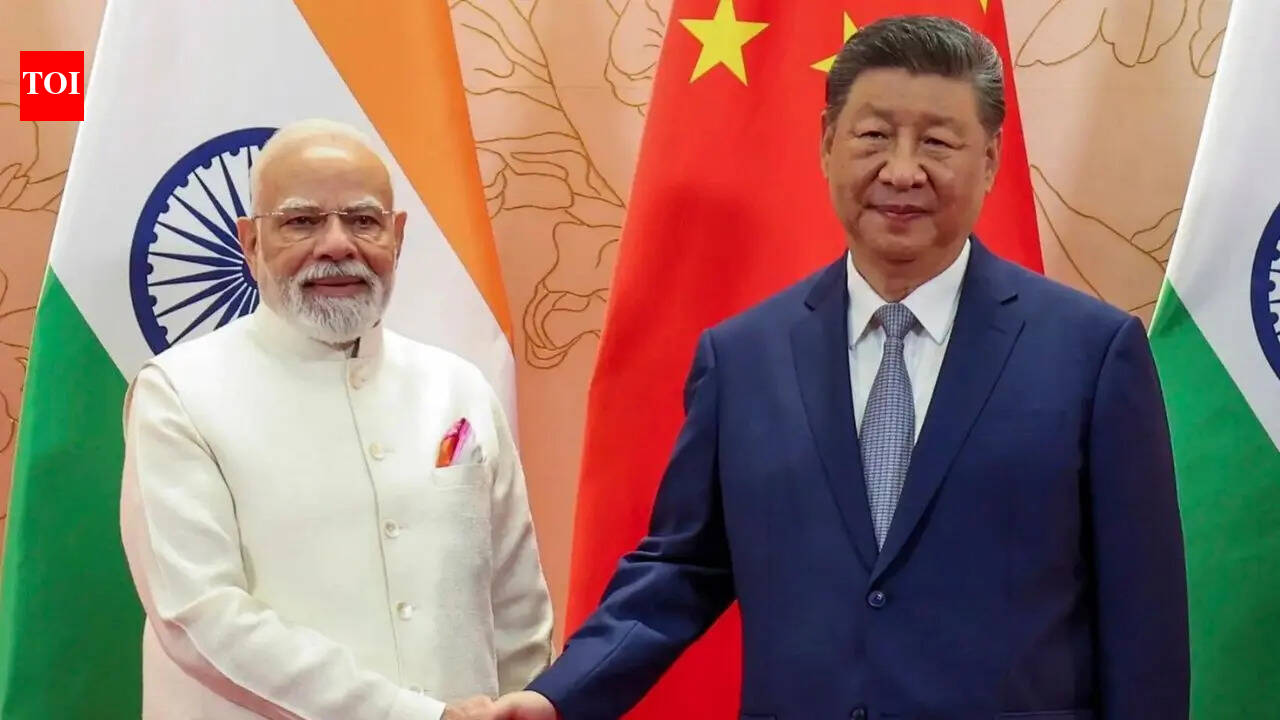
Chinese President Xi Jinping is expected to visit India for the 2026 BRICS summit in New Delhi, marking his first visit in seven years. The visit follows high-level diplomatic efforts, including recent talks between NSA Ajit Doval and Wang Yi, aimed at resolving border disputes and stabilizing bilateral ties.
A New Chapter in Sino-Indian Relations
The upcoming visit of Chinese President Xi Jinping to New Delhi for the 2026 BRICS summit represents a pivotal moment in the geopolitical landscape of Asia. With a massive 400-member delegation in tow, this diplomatic mission is far more than a routine international appearance; it signifies a calculated effort by both Beijing and New Delhi to transition from a period of prolonged estrangement to a phase of strategic recalibration. After nearly seven years of distance, President Xi’s presence in India underscores the necessity of high-level dialogue in managing two of the world's most significant, yet frequently contentious, neighbors.
Addressing the Shadow of 2020
The backdrop of this visit is the long-standing friction stemming from the 2020 Galwan Valley clashes, which fundamentally altered the bilateral relationship. For years, the border dispute has acted as a primary bottleneck for broader economic and diplomatic cooperation. The fact that preparations for the 2026 visit—including security logistics and hotel arrangements—are currently underway indicates a mutual desire to move beyond the security anxieties that have hampered constructive engagement since the conflict.
The Role of High-Level Diplomacy
Preceding the summit, the 25th round of talks between Special Representatives—India’s National Security Advisor Ajit Doval and Chinese Foreign Minister Wang Yi—has provided the necessary groundwork for this diplomatic thaw. The discussions in Beijing focused heavily on the mechanics of boundary delimitation and the reinforcement of peace and tranquility in disputed areas. By prioritizing these talks, both nations are attempting to create a stable environment that can support the upcoming high-stakes summit.
Strategic Implications of the BRICS Summit
Hosting the BRICS summit in New Delhi provides a neutral yet prestigious platform for these discussions. By utilizing a multilateral framework, both nations can manage their bilateral grievances within a broader context of cooperation among emerging economies. This approach allows for a 'reset' that is less vulnerable to domestic political pressures, as the focus remains on collective economic growth and global governance rather than solely on contentious border demarcation issues.
Future Outlook and Stability
Looking ahead, the success of President Xi’s visit will likely be measured by the concrete progress made on the 'boundary question.' If the current momentum toward delimitation continues, the region may see a shift from reactive border management to a more proactive, cooperative framework. While challenges remain significant, the current diplomatic trajectory suggests that both India and China recognize that long-term stability is essential for their respective economic agendas. The 2026 summit stands as a litmus test for whether these two powers can effectively manage their differences while pursuing shared global interests.
Multiple Citing Sources