Why history forgot Hazrat Mahal: Rosie Llewellyn-Jones on Awadh’s rebel begum
Source Entity
Nikita Mohta
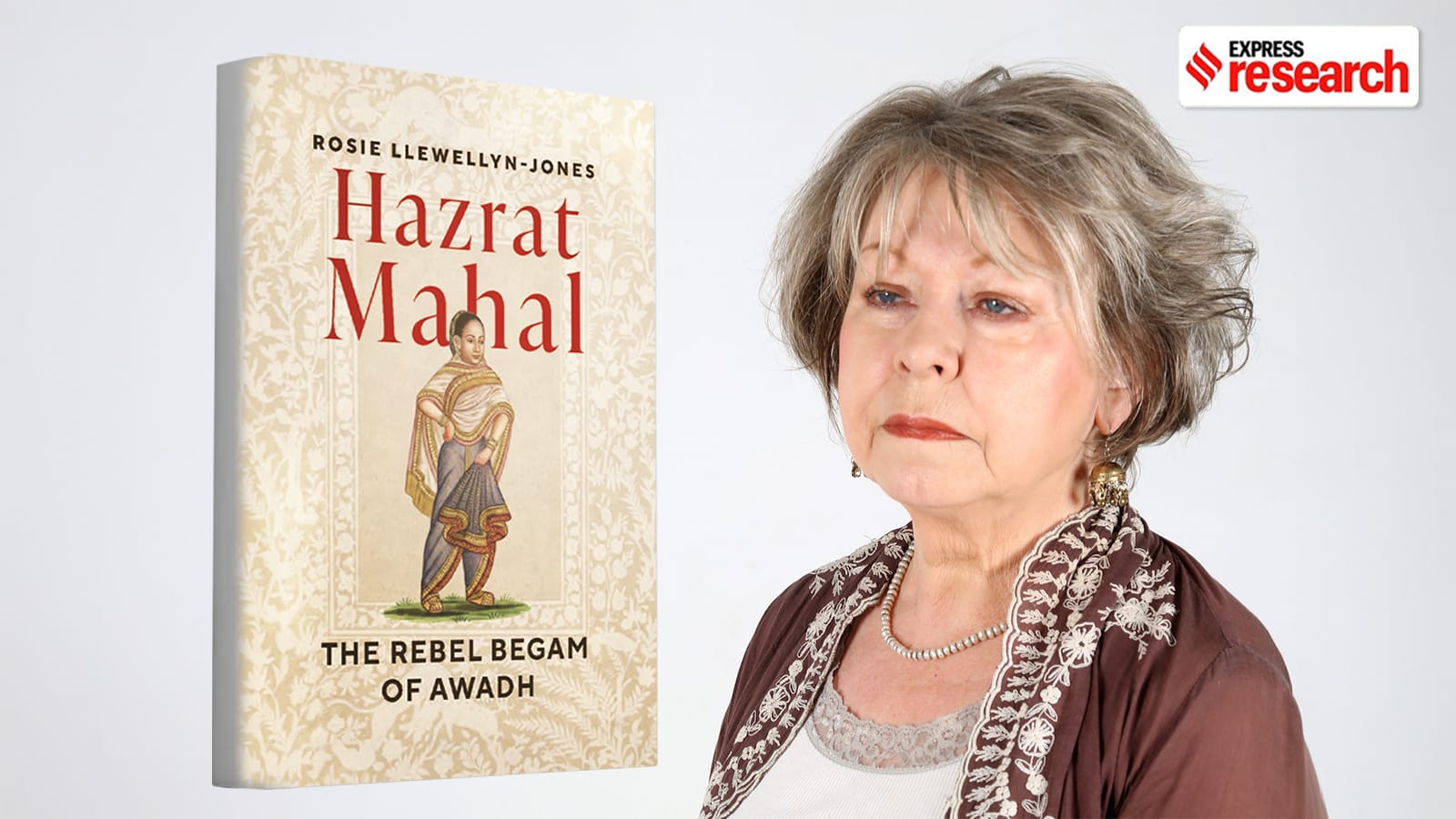
Scholar Rosie Llewellyn-Jones explores the life of Begum Hazrat Mahal, the neglected rebel queen of Awadh. Her new book sheds light on the woman who led resistance against the British after the 1856 annexation of Awadh.
The Unsung Rebel: Rediscovering Begum Hazrat Mahal
The Historical Context of Awadh's Decline
As the once-mighty Mughal Empire began its steady decline during the 18th century, the kingdom of Awadh rose to prominence as a virtually independent state. This region, known for its cultural richness and political significance, eventually became a primary target for the British East India Company. The annexation of Awadh in February 1856 marked a critical turning point in colonial history, effectively dismantling the autonomy of one of the most influential states in the Indian subcontinent.
The Exile of Wajid Ali Shah
Following the annexation, the British forced the last king of Awadh, Wajid Ali Shah, into exile in Calcutta. This displacement was not merely a personal tragedy for the monarch but a systematic dismantling of the Awadh royal court. The King departed with a vast retinue, including his mother, brothers, and numerous wives, leaving behind a power vacuum that would soon be filled by a figure the British had largely underestimated: Begum Hazrat Mahal.
Rosie Llewellyn-Jones and the Historiography of Awadh
Scholar Rosie Llewellyn-Jones has dedicated significant academic rigor to the history of this period. Her journey into this narrative began while researching her 2014 biography, The Last King in India: Wajid Ali Shah (1822-87). It was during this exhaustive archival research that Llewellyn-Jones first encountered the figure of Hazrat Mahal, realizing that the conventional historical narrative had largely sidelined her contributions to the resistance against British rule.
Reclaiming the Narrative
Twelve years after her initial encounter with the Begum, Llewellyn-Jones has returned to the subject with a new, dedicated study. By centering Hazrat Mahal, the author challenges the traditional, male-dominated historical accounts that have often obscured the agency of women in the 19th-century Indian resistance movements. This scholarly pivot is essential for a more balanced understanding of the events surrounding the 1856 annexation.
Broader Implications and Historical Significance
The story of Begum Hazrat Mahal is emblematic of the broader struggle against colonial expansion. While history books have frequently focused on the monarchical figures in exile, the resistance effort led by those left behind—specifically the Begum—highlights a critical, often overlooked dimension of the period. By focusing on her, Llewellyn-Jones invites a re-evaluation of how we categorize 'rebels' and 'rulers' in the context of British Indian history.
Future Trends in Colonial Historiography
Looking forward, the publication of this work signals a growing trend in academic circles to foreground marginalized voices from the pre-colonial and early colonial eras. As researchers continue to dig deeper into archives, we can expect more 'forgotten' figures to emerge, providing a more nuanced view of the complex power dynamics that defined 19th-century India. This shift is not just about correcting historical records; it is about expanding our comprehension of the human element in the face of imperial collapse.