Lion drowns in sea during territorial clash with 2 other lions in Gujarat: Official
Source Entity
Latest News: Todays Latest News Headlines from India & World | Hindustan Times
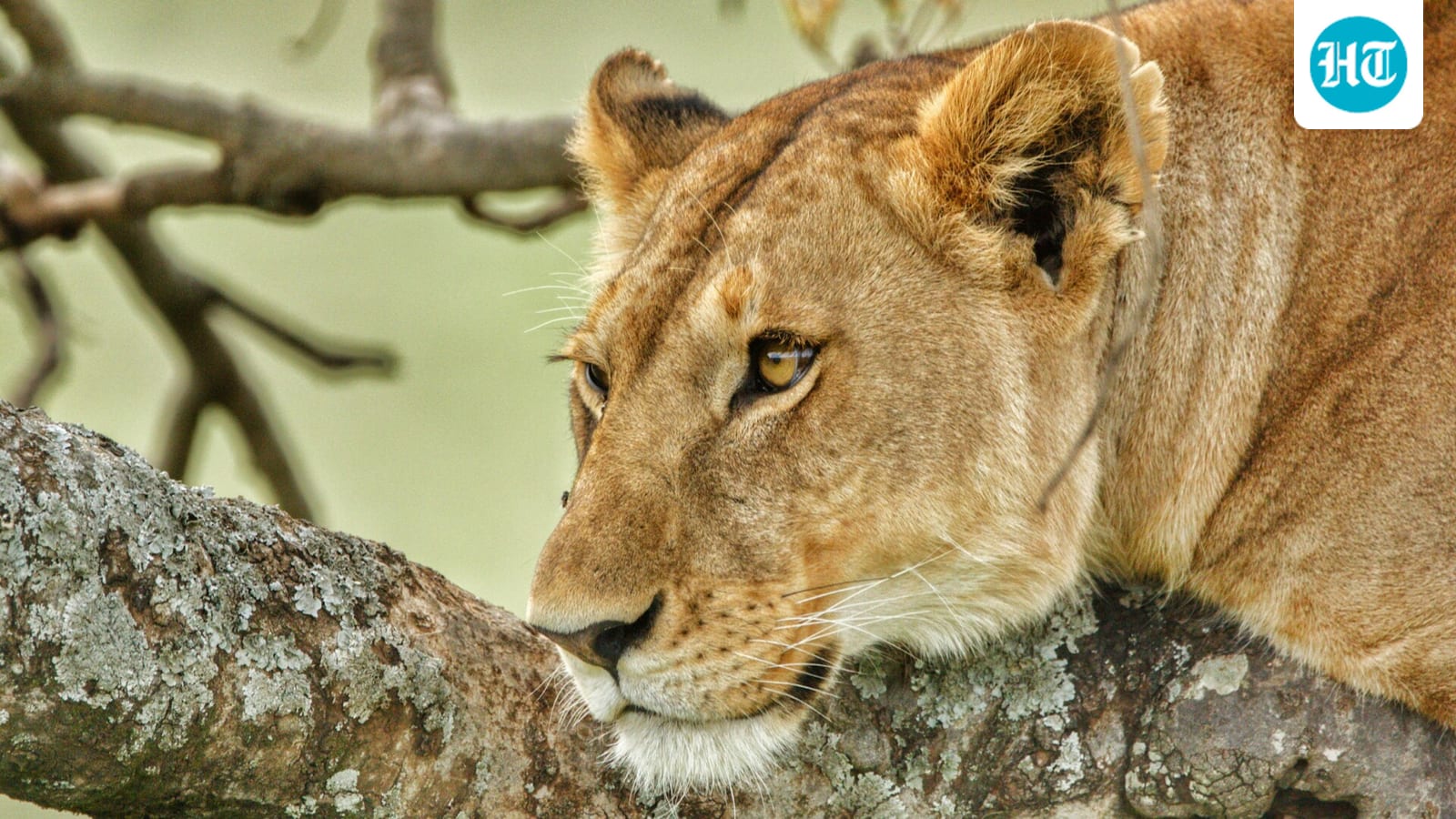
A six-year-old lion died by drowning in the Arabian Sea near Gujarat's Pipavav Port after a territorial clash with two other lions. Forest officials confirmed the cause of death following a post-mortem examination of the carcass.
Rare Wildlife Tragedy in Gujarat
A tragic incident has unfolded along the coastline of Gujarat’s Amreli district, where a six-year-old lion lost its life in the Arabian Sea. According to reports from the Rajula range forest officials, the lion was discovered near the jetty of Pipavav Port, approximately three kilometers from the Patva village shoreline. This event, while unusual, highlights the evolving landscape of Asiatic lion habitats and the pressures faced by these apex predators in the wild.
The Nature of the Territorial Conflict
Forest officials, led by Range Forest Officer D. K. Makwana, have indicated that the lion was likely involved in a fierce territorial dispute with two other big cats on Monday. Territorial aggression is a fundamental aspect of lion social behavior, particularly among males competing for dominance or pride protection. In this instance, the pressure of the confrontation appears to have forced the animal into an uncharacteristic flight response, leading it to enter the sea.
Environmental Pressures and Habitat Dynamics
The presence of lions near the Pipavav Port coastline underscores the expanding range of the Asiatic lion population in Gujarat. As the population density increases within protected areas like the Gir National Park, these animals are increasingly venturing into coastal territories and human-adjacent landscapes. This expansion often brings them into contact with new environmental hazards, such as industrial port infrastructure and vast, deep-water bodies, which are not part of their traditional dry-land territory.
Forensic Confirmation of Drowning
Following the discovery of the carcass on Tuesday afternoon, authorities conducted a post-mortem examination to determine the exact cause of death. The findings definitively concluded that the animal succumbed to drowning. This medical evidence corroborates the observations made by forest staff regarding the preceding territorial clash, providing a clear narrative of how the interaction between the three lions escalated into a fatal aquatic accident.
Broader Implications for Wildlife Management
This incident serves as a somber reminder of the complexities involved in wildlife conservation. As the Asiatic lion population grows, the challenges for forest departments in managing human-wildlife conflict and protecting predators from environmental accidents increase. Future conservation strategies will likely need to account for the movement of these animals into non-traditional zones, ensuring that infrastructure near sensitive wildlife corridors is monitored to mitigate such rare, yet impactful, mortality events.
Verification Required?