Logistics giants are racing to keep up with healthcare boom as GLP-1s highlight need for cold storage
Source Entity
US Top News and Analysis
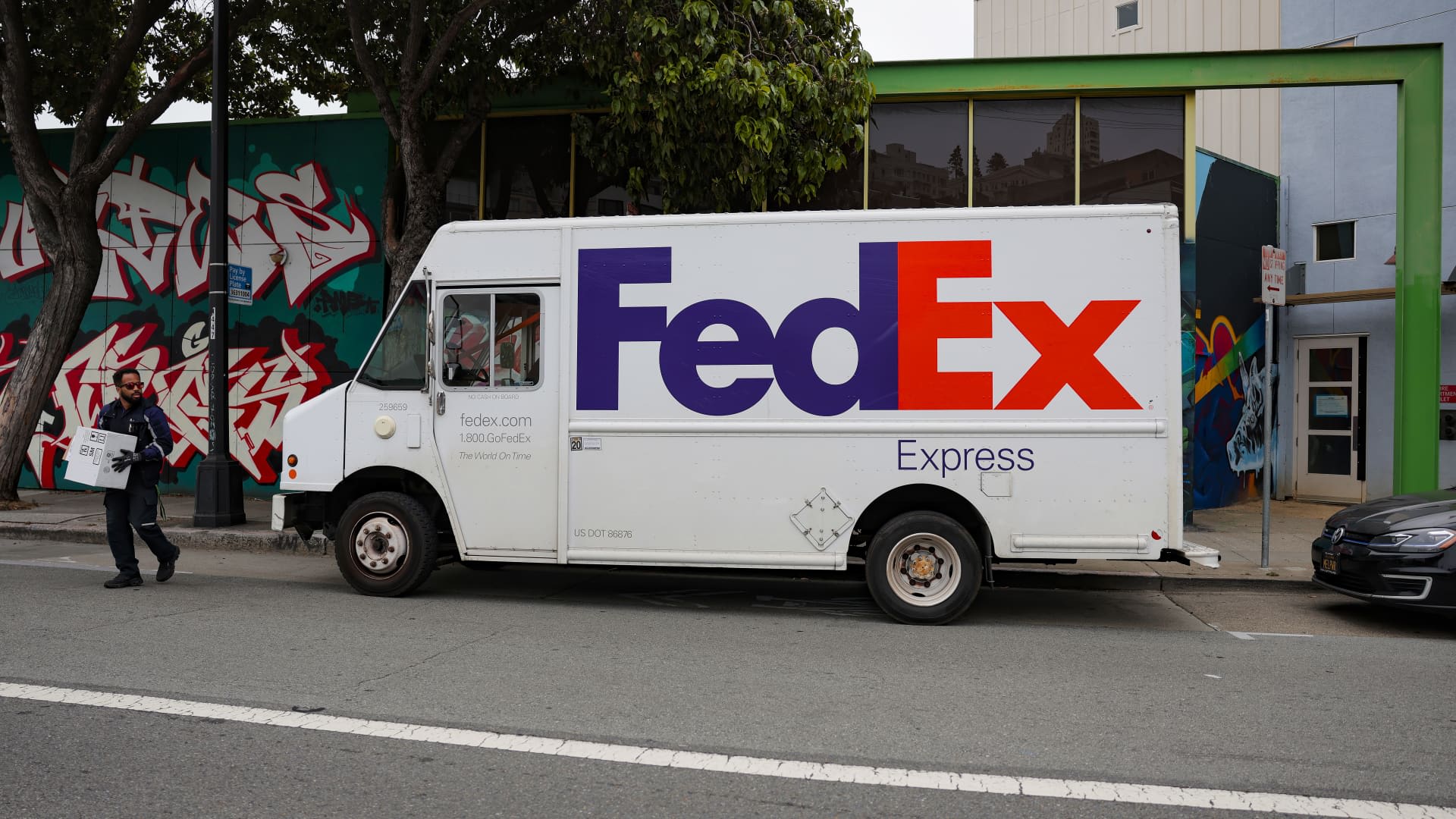
Major logistics firms like UPS and FedEx are expanding cold chain infrastructure to meet the rising demand for refrigerated GLP-1 medications. This shift reflects a broader strategic pivot toward specialized healthcare logistics following lessons learned during the Covid-19 pandemic.
The Logistics Pivot: Cold Chain Evolution
The logistics industry is currently undergoing a significant structural transformation as major players like UPS, FedEx, DHL, and C.H. Robinson pivot their operational focus toward the burgeoning healthcare sector. This strategic shift is largely driven by the explosive market demand for GLP-1 receptor agonists, such as Novo Nordisk’s Ozempic and Wegovy, and Eli Lilly’s Mounjaro and Zepbound. These life-altering medications are not merely standard parcels; they are temperature-sensitive pharmaceuticals that mandate rigorous cold chain management to maintain their chemical integrity during transit.
Lessons from the Pandemic
The necessity for this specialized infrastructure was solidified during the 2020 Covid-19 pandemic. As global supply chains faced unprecedented pressure, the rapid deployment of temperature-controlled vaccines served as a proof-of-concept for the logistics industry. Companies that mastered the complexities of sub-zero shipping and specialized facility management gained a competitive advantage. Today, that experience is being weaponized to capture the multi-billion dollar market of injectable treatments, proving that healthcare logistics is no longer a peripheral service but a core revenue pillar.
The Infrastructure Challenge
Shipping GLP-1s requires more than just standard refrigerated trucks; it necessitates a sophisticated end-to-end cold chain ecosystem. This includes climate-controlled warehousing, real-time temperature monitoring, and high-speed distribution networks that minimize the risk of thermal excursions. As these medications become a staple in chronic disease management, logistics giants are investing heavily in specialized pharmaceutical hubs. This capital expenditure is essential to protect the efficacy of the drugs, as even minor temperature fluctuations can render these injectable treatments ineffective.
Strategic Market Implications
For logistics firms, the healthcare boom offers a hedge against the volatility often found in traditional retail and e-commerce shipping. Pharmaceuticals represent a high-value, high-consistency freight category that requires specialized handling, creating a natural barrier to entry for smaller, less-equipped competitors. By integrating deeply into the pharmaceutical supply chain, companies like UPS and FedEx are transforming themselves from simple delivery services into essential healthcare infrastructure partners.
Future Trends in Healthcare Logistics
Looking ahead, we can expect further consolidation in the cold chain space, with logistics firms likely acquiring or partnering with specialized medical storage facilities to expand their footprint. The integration of IoT-enabled tracking and blockchain for pharmaceutical provenance will likely become the industry standard. As the pharmaceutical pipeline continues to favor complex biologics and injectable therapies, the logistics industry's commitment to cold chain technology will remain the backbone of global patient health, ensuring that critical treatments reach the end-user safely and efficiently.