Another major stock exchange moves toward 24-hour trading
Source Entity
Jamie Chisholm
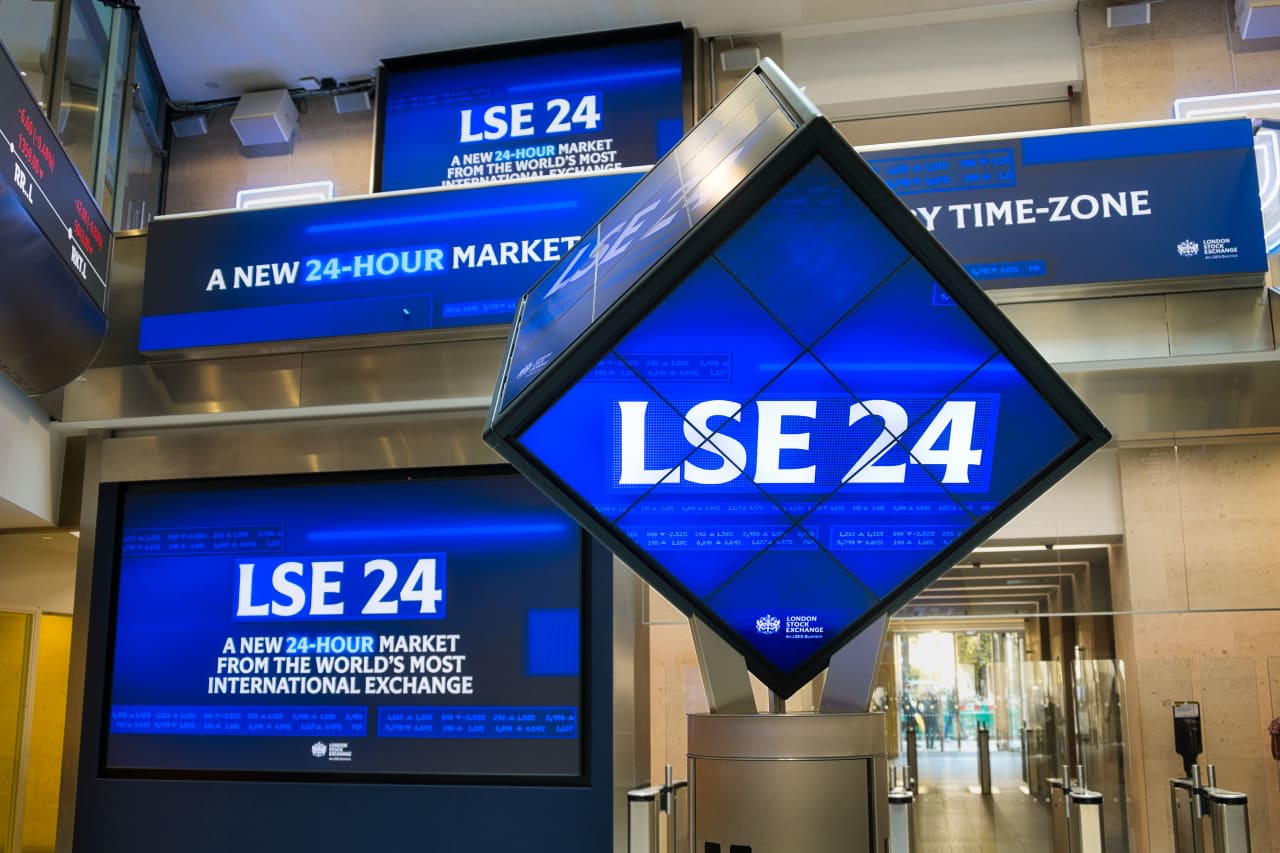
The London Stock Exchange plans to launch a dedicated overnight trading venue by early 2027 to compete with 24/7 crypto and tokenized equity platforms. This new service will operate outside standard market hours, initially focusing on exchange-traded products tracking UK and US markets.
The LSE's Strategic Pivot to 24/7 Trading
The London Stock Exchange (LSE) has officially announced plans to launch a dedicated overnight trading venue by the first half of 2027. This move represents a significant shift in traditional financial infrastructure, as the exchange seeks to modernize its operations to align with the evolving expectations of global investors who increasingly demand round-the-clock market access.
Responding to Digital Disruption
The primary catalyst for this shift is the mounting competitive pressure from the burgeoning crypto market and emerging tokenized equity platforms. These digital-native venues have set a new standard by offering 24/7 liquidity, challenging the legacy model of traditional exchanges that have historically operated on strict, limited schedules. By establishing a night-time venue, the LSE aims to reclaim market relevance and provide a regulated alternative to the decentralized finance platforms that have captured investor attention.
Operational Structure and Scope
According to reports, the new venue will operate as a distinct entity, entirely separate from the LSE's main market. While the core exchange will maintain its established hours of 8:00 am to 4:30 pm, the overnight facility will run from 5:00 pm to 7:50 am London time. Initially, the LSE intends to limit the scope of this venue to exchange-traded products, specifically those tracking major indices in the UK and the United States, allowing for a controlled rollout of the extended hours.
Broader Implications for Global Finance
The move by the LSE is part of a larger, global trend toward near-24-hour trading. As investors seek to mitigate risks and capitalize on market volatility that occurs outside of traditional banking hours, the demand for continuous accessibility has become impossible for major exchanges to ignore. This evolution suggests a future where global capital markets function more like the internet: always on and accessible from any time zone.
Future Trends and Market Integration
Looking ahead, the success of the LSE’s 2027 launch could serve as a blueprint for other legacy exchanges worldwide. If the model proves effective at capturing volume and maintaining liquidity during off-peak hours, we may see a wider adoption of overnight trading across various asset classes. This transition marks a critical bridge between traditional equity markets and the high-speed, constant-access environment of modern digital finance, signaling a permanent change in how global securities are traded.
Multiple Citing Sources
Verification Required?