A temple, a murder and a trail of blood: The 16-year case that caught up with an ex-BJD strongman
Source Entity
Sujit Bisoyi
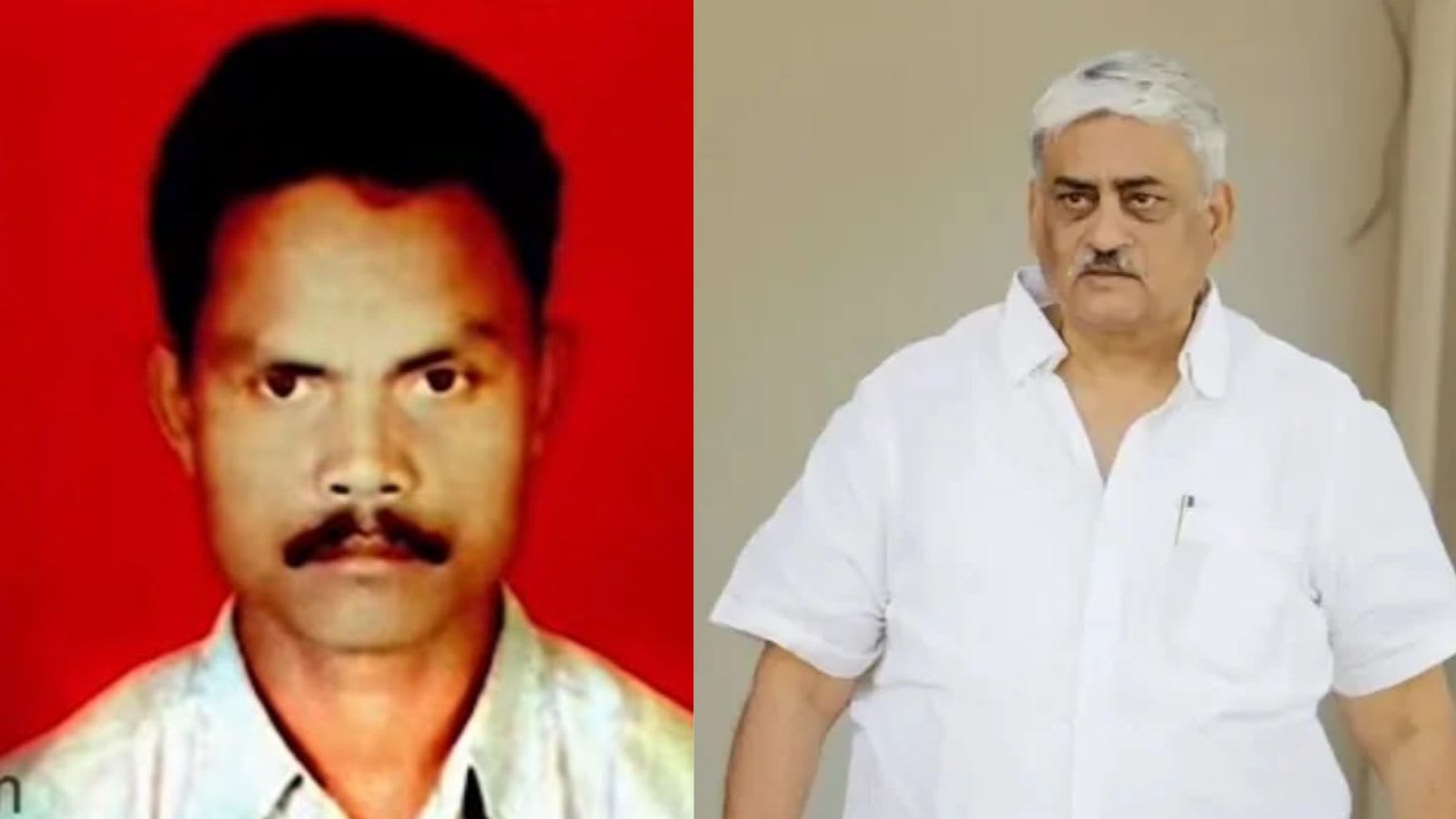
Two long-standing cold cases in India have reached significant milestones with recent arrests. Police successfully tracked a fugitive in a 1995 murder case, while a former BJD leader surrendered regarding a 2010 tribal leader's death.
Cold Case Breakthroughs: Justice Delayed but Not Denied
The Indian legal system has recently witnessed two significant breakthroughs in long-standing criminal investigations, highlighting the persistence of law enforcement in pursuing justice decades after a crime has occurred. In the first instance, the Kerala Police successfully apprehended 49-year-old Krishnakumar, who had evaded authorities for nearly thirty years following the 1995 murder of 64-year-old Martha in Thrissur. Simultaneously, in Odisha, the legal net tightened around former Biju Janata Dal (BJD) MP Nakkinti Bhaskar Rao, who surrendered in connection with the 2010 murder of tribal leader Bhagirathi Mandangi.
The Anatomy of a Three-Decade Hunt
The case of Krishnakumar serves as a masterclass in modern investigative perseverance. After jumping bail in 1996, the accused managed to construct an entirely new existence, complete with a new identity, marriage, and family. However, the advancement of digital forensics proved to be his undoing. By synthesizing old photographic evidence with contemporary call records and family networks, investigators were able to trace his movements across regional boundaries, eventually locating him in Kundara. This case underscores a growing trend in Indian policing: the utilization of integrated data sets to bridge the gap between pre-digital era crimes and modern surveillance capabilities.
Tribal Justice and Political Accountability
In the second case, the surrender of Nakkinti Bhaskar Rao marks a pivotal moment in the 2010 murder of Bhagirathi Mandangi. The investigation, which began with the grim discovery of a decomposed body in the Jhanjabati River Dam, relied heavily on scientific corroboration, specifically DNA testing, to identify the victim. The involvement of a former high-profile political figure adds a layer of complexity to this narrative, illustrating that even those with significant political influence are not immune to the slow, methodical grind of the judicial process when evidence is meticulously gathered.
The Role of Technology in Cold Case Resolution
Both cases demonstrate that the statute of limitations is effectively rendered obsolete by the persistence of investigative agencies. The transition from manual, paper-based records to centralized digital databases allows police to cross-reference dormant cases with new leads. For families like the Mandangis, who waited over a decade for closure, and the community of Thrissur, these arrests provide a necessary sense of finality that had been absent for years.
Future Trends in Criminal Investigations
The successful resolution of these cases suggests that Indian law enforcement is increasingly prioritizing the clearance of cold cases as a means of maintaining public trust. As forensic technology, such as advanced DNA profiling and digital footprint mapping, becomes more accessible to local police units, it is likely that more long-standing fugitives will face trial. These events signal a broader shift toward a more technologically capable and persistent investigative framework within the Indian state apparatus.
Conclusion
These two cases, while geographically and circumstantially distinct, share a common theme: the relentless pursuit of truth. Whether through the digital unraveling of a decades-old alias or the scientific confirmation of a political figure's alleged involvement in a cold-blooded murder, the message is clear. The Indian justice system, though often slow, is increasingly capable of reaching back into the past to hold perpetrators accountable, ensuring that the passage of time does not grant immunity to those who break the law.