Lucid Motors Denied the Bankruptcy Rumors, But That's Not Enough to Make LCID Stock a Buy
Source Entity
Yahoo Finance
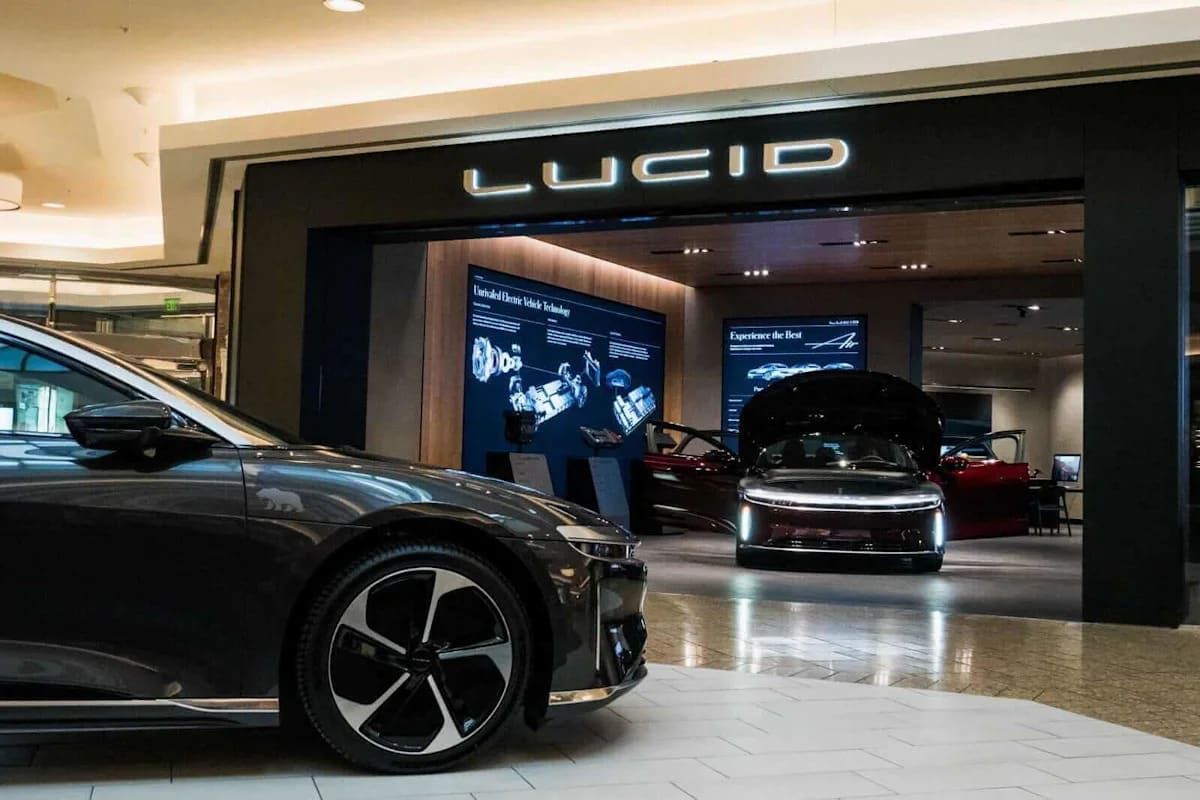
Lucid Motors recently denied rumors of bankruptcy and plans to go private after its stock hit an all-time low of $2.37. While the stock rebounded to $5.50, the company remains heavily reliant on Saudi Arabian funding and vehicle purchase agreements.
Lucid Motors Navigates Volatility Amid Bankruptcy Rumors
Lucid Group (LCID) recently experienced a period of extreme market volatility that highlighted the fragility of its current investor confidence. On July 14, the company's stock plummeted to an all-time low of $2.37 following widespread reports suggesting that the EV manufacturer was considering filing for Chapter 11 bankruptcy or transitioning to a private entity. Although Lucid categorically denied these rumors, the initial shock caused the stock to drop over 16%, closing below the $5 mark—a critical psychological and regulatory threshold.
The Penny Stock Struggle and Strategic Splits
A significant point of concern for investors is Lucid's proximity to "penny stock" status. According to SEC guidelines, stocks trading below $5 are often categorized as such, which can lead to reduced institutional investment and increased volatility. To combat this downward trajectory, Lucid has implemented a 1-for-10 reverse stock split effective August 29, 2025. Without this accounting maneuver, the stock would have already fallen into penny stock territory, suggesting that the current price recovery to approximately $5.50 is partially supported by structural adjustments rather than purely organic growth.
From Euphoria to Reality: The Market Cap Collapse
To understand the current desperation, one must look back at the electric vehicle (EV) bubble of 2021. During that period of intense market euphoria, Lucid nearly achieved a market capitalization of $100 billion. The current trading price represents a tiny fraction of those highs, illustrating a massive correction in how the market values EV startups. The transition from a speculative darling to a company fighting bankruptcy rumors underscores the difficulty of scaling luxury EV production in a competitive global market.
The Saudi Arabian Lifeline
Lucid's survival is currently inextricably linked to the Kingdom of Saudi Arabia. The company has been backed by massive infusions of "petrodollars" from Saudi funds, providing a financial cushion that most other EV startups lack. Beyond direct capital investment, Saudi Arabia has further bolstered Lucid's outlook by agreeing to purchase up to 100,000 vehicles. This guaranteed demand provides a critical revenue stream and a baseline for production scaling that is essential for the company's operational viability.
The Limits of External Funding
Despite the humongous financial support from the Saudi government, analysts argue that capital infusions alone cannot solve Lucid's fundamental woes. While the funding prevents immediate insolvency, it does not necessarily address the challenges of long-term profitability, operational efficiency, or consumer adoption outside of its primary backers. The company must transition from a subsidized entity to a self-sustaining business to avoid future volatility and the recurring threat of bankruptcy rumors.
Conclusion: A Precarious Path Forward
In summary, while Lucid Motors has successfully quelled the immediate panic surrounding bankruptcy rumors and seen a 20% rebound in its stock price, the underlying fundamentals remain precarious. The combination of a reverse stock split and heavy reliance on Saudi Arabian support indicates a company in a defensive posture. For LCID to move beyond being a speculative asset, it must prove that its technology and brand can drive sales independently of state-sponsored purchase agreements.