Ludhiana Women Break Tradition, Shoulder Mother-In-Law's Bier
Source Entity
NDTV News Search Records Found 1000
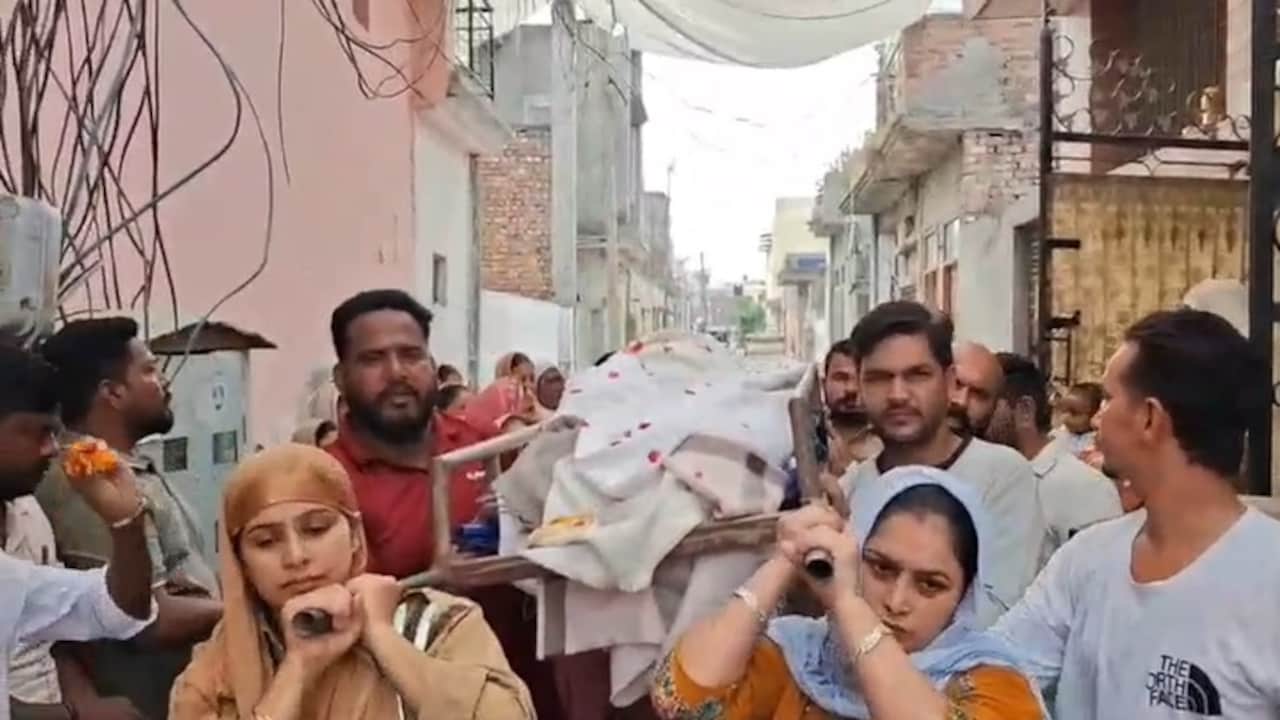
In a significant shift from traditional funeral customs, two daughters-in-law in Ludhiana personally carried their mother-in-law's bier. This act challenges long-standing gender norms in Indian society regarding funeral rites.
Redefining Tradition: A Shift in Funeral Rites in Ludhiana
In a poignant and symbolic departure from long-standing cultural norms, two daughters-in-law in Ludhiana recently took the lead in performing the final funeral rites for their mother-in-law by carrying her bier. Traditionally, in many parts of India, funeral processions and the act of carrying the bier are strictly reserved for male family members. This event marks a notable subversion of these gender-based expectations, signaling a gradual evolution in how families navigate mourning and final tributes.
Challenging Societal Norms
The act of women carrying a bier is a significant departure from the patriarchal structures that have historically governed Indian funeral customs. For generations, the performance of 'antim sanskar' (final rites) has been viewed as a male-centric responsibility, rooted in deep-seated religious and social traditions. By stepping into this role, these women from Ludhiana are not merely performing a task; they are actively challenging the gendered boundaries that dictate who is permitted to participate in the most intimate and solemn aspects of family life.
The Changing Dynamics of Kinship
This incident highlights a broader shift in the modern Indian family structure. As educational attainment and economic independence for women continue to rise, the traditional rigid roles within family hierarchies are becoming increasingly fluid. The willingness of daughters-in-law to shoulder the bier signifies a move toward more egalitarian familial relationships, where the bond of care and respect transcends the traditional gender scripts that were once considered unchangeable.
Cultural Implications and Public Perception
While such events may still be considered unconventional in many conservative pockets of society, their occurrence serves as a catalyst for public discourse. The visibility of such actions encourages other families to reconsider the necessity of strictly adhering to gender-coded rituals. It suggests that contemporary Indian society is increasingly prioritizing the emotional bond and the desire to honor a loved one over the adherence to outdated patriarchal mandates.
Future Trends in Social Rituals
Looking ahead, we are likely to see a continued trend of individuals personalizing funeral rites to reflect the realities of modern families. As society becomes more inclusive, the inclusion of women in roles traditionally reserved for men will likely become more normalized, rather than being viewed as an anomaly. This transition reflects a wider movement toward gender equality that permeates even the most deeply rooted cultural and religious ceremonies.
Conclusion
The actions of these daughters-in-law in Ludhiana serve as a powerful testament to the changing social fabric of India. By participating directly in the final journey of their mother-in-law, they have reaffirmed that respect and duty are not defined by gender. This event stands as a quiet but profound milestone in the ongoing conversation about equality and the modernization of cultural traditions in the 21st century.
Verification Required?