From Trump’s takeover threats to a ‘northern neighborhood,’ why the EU chief is going to Greenland
Source Entity
US Top News and Analysis
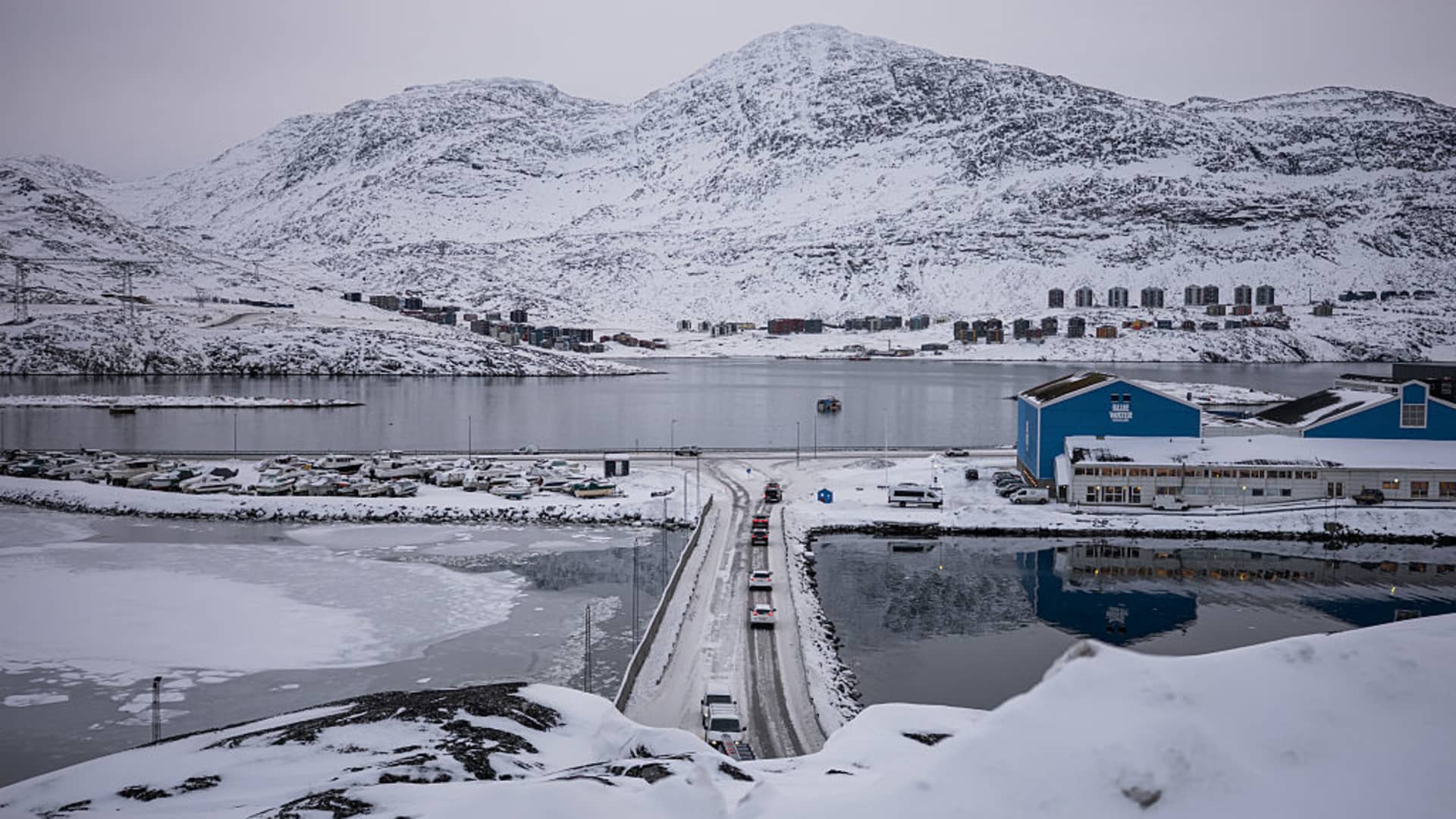
European Commission President Ursula von der Leyen is visiting Greenland to bolster ties and offer funding amidst renewed U.S. interest in the territory. The trip aims to counter Donald Trump's push for U.S. control over the Arctic island, which he cites as a national security priority.
The Geopolitical Tug-of-War Over Greenland
European Commission President Ursula von der Leyen is set to travel to Nuuk, Greenland, accompanied by Danish Prime Minister Mette Frederiksen. This diplomatic mission serves as a critical move to strengthen European ties with the self-governing Danish territory, specifically as the region faces renewed pressure from U.S. President Donald Trump regarding its geopolitical status and potential acquisition.
The Strategic Importance of the Arctic
The Arctic region has increasingly become a theater for global power competition due to its untapped natural resources and evolving maritime routes caused by climate change. President Trump’s interest in Greenland, framed through the lens of national security, highlights the island's strategic value as a gateway to the North Atlantic. By visiting Greenland, the EU is signaling that it views the territory as a vital partner, aiming to preempt U.S. efforts to bring the island closer into the American sphere of influence.
Financial Diplomacy as a Counterweight
During this visit, von der Leyen is expected to announce fresh funding packages for Greenland. This financial intervention is a classic tool of soft power, designed to provide the local government with economic alternatives that reduce their dependency on external powers. By deepening the EU’s economic footprint, the Commission hopes to solidify Greenland's commitment to European cooperation, effectively creating a barrier against the unilateral takeover narrative pushed by the U.S. administration.
Navigating a Changing Nordic Landscape
The timing of this visit is particularly sensitive, occurring shortly after voters in Iceland rejected a motion to restart EU membership negotiations. This setback for European integration in the North Atlantic makes the Greenland mission even more vital for the EU's northern strategy. The Commission cannot afford to lose further influence in the Arctic, making the partnership with the Danish government and the Greenlandic leadership essential for maintaining a unified regional front.
Future Implications and Regional Stability
The ongoing tension between the EU’s diplomatic approach and President Trump’s aggressive rhetoric suggests a period of prolonged instability for the region. Greenland finds itself caught in the middle of a struggle between traditional European alliances and American security-first mandates. As the Greenlandic Prime Minister and other local officials navigate these competing interests, the outcome of these negotiations will likely set a precedent for how autonomous territories manage major power rivalries in the 21st century.
Conclusion
Ultimately, von der Leyen’s trip to Nuuk is a defensive maneuver intended to preserve the status quo against American expansionist ambitions. By combining political presence with tangible financial support, the EU is attempting to secure its interests in the Arctic. Whether this strategy will be sufficient to resist the pressure from Washington remains to be seen, but the visit underscores the heightening volatility surrounding Arctic sovereignty.