The '26' factor: Nepal floods add to deadly trail of disasters that struck on 26th
Source Entity
Latest News: Todays Latest News Headlines from India & World | Hindustan Times | Hindustan Times
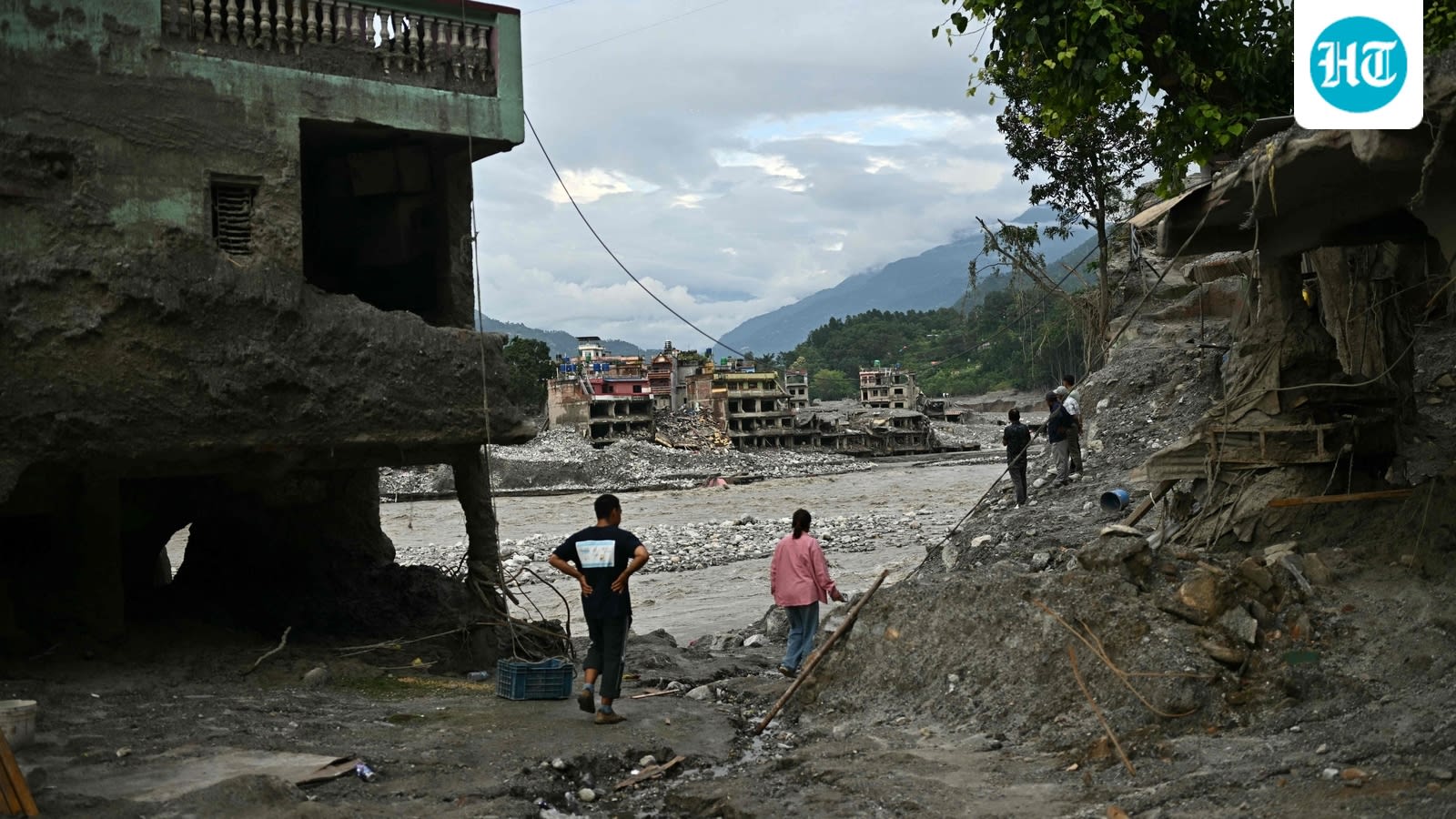
The catastrophic flash floods in Nepal on August 26 have sparked discussions regarding the recurring nature of major disasters occurring on the 26th of the month. This pattern includes historical events ranging from the 2004 Indian Ocean tsunami to the 2008 Mumbai terror attacks.
The '26' Phenomenon: A Statistical and Cultural Inquiry
The recent catastrophic flash floods that devastated parts of Nepal on August 26 have reignited a curious and somewhat unsettling public discourse regarding the significance of the 26th day of the month in the timeline of human history. While meteorologists and geologists emphasize that natural disasters are governed by complex environmental variables rather than calendar dates, the frequency with which major tragedies have aligned with this specific date has captured the collective imagination.
A History of Calamity
The list of events associated with the 26th is sobering. It spans natural catastrophes, such as the 1939 Erzincan earthquake in Turkey—which claimed over 32,700 lives—and the 2001 Gujarat earthquake in India, which resulted in approximately 20,000 fatalities. Perhaps most notably, the 2004 Indian Ocean tsunami, one of the deadliest natural disasters in recorded history, struck on December 26, leaving 228,000 people dead or missing. These events serve as stark reminders of the vulnerability of human infrastructure to sudden, violent shifts in the Earth's natural systems.
Beyond Natural Disasters
The '26' association extends beyond seismic or meteorological events into the realm of human-made crises. The Chernobyl nuclear disaster, which occurred on April 26, 1986, remains a defining moment in the history of industrial safety and environmental policy. Similarly, the date holds a somber place in modern geopolitical history, as it marks the beginning of the 2008 Mumbai terror siege. These events demonstrate that whether through technological failure or human conflict, the 26th has repeatedly served as a flashpoint for global trauma.
Psychological and Sociological Implications
From a psychological perspective, the human tendency to seek patterns—known as apophenia—often leads us to identify correlations where none may exist scientifically. The 'jinx of 26' acts as a cognitive framework that helps communities process the chaos of unpredictable events. By grouping these tragedies under a single numerical theme, people may attempt to regain a sense of narrative control over events that are inherently random and beyond human influence.
Future Trends and Resilience
As climate change increases the frequency and intensity of extreme weather events, the focus shifts from the date of occurrence to the urgency of disaster preparedness. The tragedy in Nepal underscores the necessity of robust infrastructure and early warning systems. Regardless of whether a disaster strikes on the 26th or any other day, the broader implication is that global communities must prioritize adaptive strategies to mitigate the human cost of these inevitable, yet increasingly frequent, environmental challenges.
Verification Required?