Cruise lines chase luxury travelers with suites for up to $25,000 a night
Source Entity
US Top News and Analysis
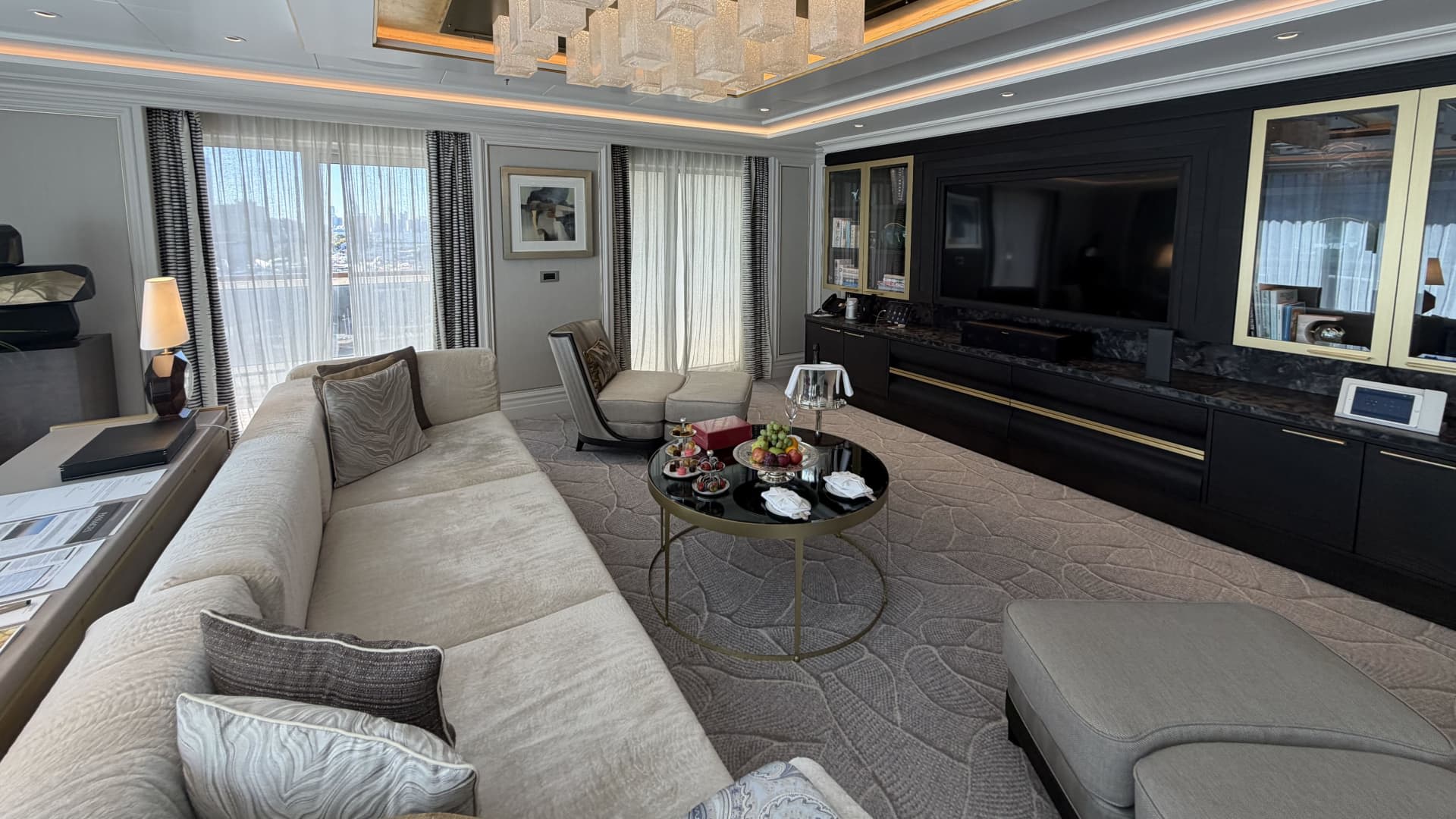
Luxury cruise lines are aggressively targeting high-net-worth travelers by offering ultra-expensive suites, such as the $15,000-per-night Regent Suite. These premium accommodations feature exclusive amenities like private dining and expansive decks, signaling a major shift toward high-end experiential travel.
The High-Stakes Evolution of Luxury Cruising
The cruise industry is undergoing a significant transformation, pivoting away from mass-market volume toward high-margin, ultra-luxury experiences. As evidenced by the Regent Seven Seas Splendor, cruise lines are increasingly catering to the world’s most affluent travelers by offering accommodations that rival the finest five-star hotels on land. With nightly rates reaching $15,000 and even projections for $25,000 offerings, the industry is effectively redefining the concept of a 'stateroom' into a private, floating estate.
Defining the New Standard of Opulence
The Regent Suite serves as the benchmark for this new era. Spanning 5,100 square feet, this accommodation is not merely a place to sleep; it is a curated environment designed to provide exclusivity. Features such as a Steinway piano, a private dining room, and a wraparound deck with a hot tub offer a level of comfort previously unseen in maritime travel. By positioning these suites with views comparable to a ship's bridge, cruise lines are selling more than just a cabin—they are selling a vantage point of prestige and unobstructed luxury.
The Economics of Exclusivity
From a business perspective, the high demand for these suites highlights a resilient segment of the luxury travel market. Regent reports that the top-tier suites are almost always occupied, with significant interest for long-duration voyages like their 151-night global cruise. This high occupancy rate suggests that affluent consumers are willing to pay a premium for personalized service, privacy, and the convenience of a 'home away from home' while traveling the globe. The economic model here is clear: by maximizing revenue per square foot through luxury offerings, lines can offset the operational costs of specialized, all-luxury vessels.
Strategic Market Expansion
The decision by cruise lines to invest in such extreme luxury is a calculated response to shifting consumer preferences. As travelers seek more immersive and high-touch experiences, the cruise industry is moving to capture this demographic before they migrate to land-based luxury resorts or private jet travel. The planned debut of the Seven Seas Prestige signals that this is not a temporary trend but a long-term strategic expansion. By building newer, more sophisticated ships, cruise lines are ensuring they remain relevant in the competitive landscape of elite global tourism.
Future Trends and Market Sustainability
Looking ahead, the success of the Seven Seas Splendor and the anticipation surrounding the Seven Seas Prestige suggest that the ceiling for luxury pricing has not yet been reached. As these lines continue to iterate on their designs, we can expect a further blurring of the lines between premium real estate and maritime engineering. The future of the industry will likely see a continued bifurcation: massive ships for general tourism and hyper-exclusive, boutique vessels for the ultra-wealthy. This trajectory reflects a broader global trend where the luxury market continues to grow, prioritizing unique, high-status experiences over traditional travel convenience.