‘Child’s welfare paramount’: Madras High Court grants surrogacy parentage to couple
Source Entity
Vineet Upadhyay
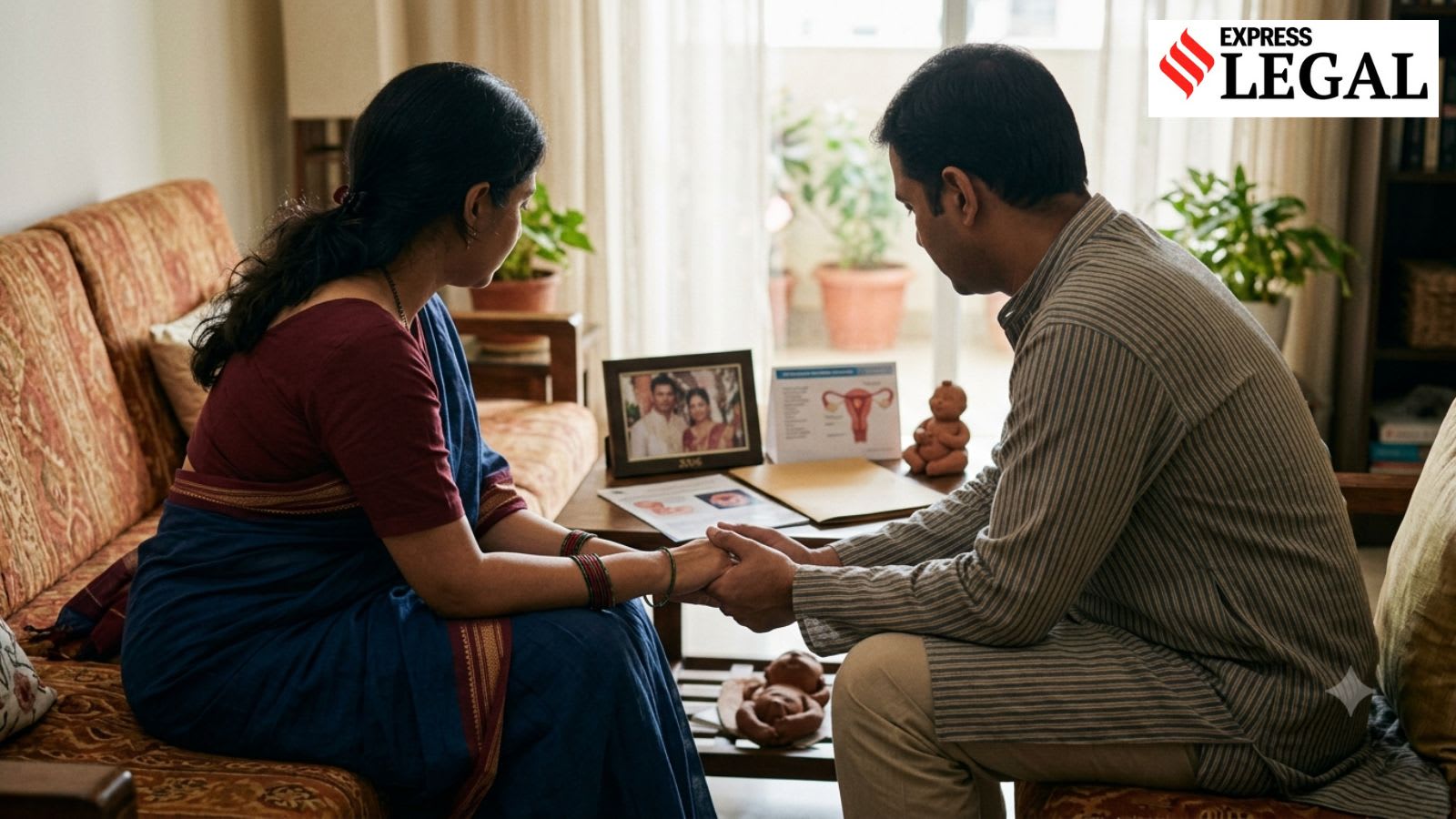
Recent Indian court rulings emphasize the welfare of children in surrogacy, the fundamental human right to remarry, and the complex balance of familial duties in divorce cases. These judgments reflect a evolving judicial approach to modern domestic and reproductive rights.
Judicial Interpretation of Family Rights and Responsibilities
Recent rulings from the Madras and Chhattisgarh High Courts have underscored a significant shift in how Indian law addresses the complexities of modern domestic life. From the regulation of surrogacy to the nuances of marital dissolution, the judiciary is increasingly tasked with balancing individual autonomy against traditional familial obligations and statutory frameworks.
Prioritizing the Child in Surrogacy
The Madras High Court’s recent decision to declare a couple the lawful parents of a child born through surrogacy marks a crucial intervention in the application of the Surrogacy (Regulation) Act, 2021. By overturning a lower court’s rejection of their petition—which had erroneously categorized the request as purely civil—the High Court has reinforced the principle that a child born via surrogacy must be afforded the same legal standing as a natural child. This ruling ensures that the welfare of the child remains the paramount consideration, effectively insulating the family unit from bureaucratic hurdles that threaten the legal recognition of parentage.
Reforming the Right to Marry
In a separate, landmark observation, the Madras High Court addressed the systemic delays inherent in the Hindu Marriage Act, particularly concerning remarriage following a divorce. By declaring the right to marry a fundamental human right, the court challenged the current legal landscape where appellate processes can indefinitely stall a person's ability to move forward. The suggestion of a strict two-month window for obtaining an interim stay on a divorce decree represents a progressive step toward streamlining family law, ensuring that individuals are not trapped in a state of legal limbo due to prolonged litigation.
Navigating Marital Duty and Cruelty
Parallel to these developments, the Chhattisgarh High Court provided clarity on the definition of "mental cruelty" within a marriage. In a case involving a dispute over the wife’s insistence that the husband abandon his ailing parents, the court nuanced the interpretation of marital duties. While recognizing that a couple may desire a separate residence, the court held that such a demand does not supersede the moral and legal responsibility toward infirm parents, especially when the husband’s father suffers from life-threatening health conditions. This ruling delineates the boundaries between personal autonomy and the preservation of the extended family structure.
Broader Implications for Indian Jurisprudence
Collectively, these cases illustrate a judiciary that is actively navigating the tension between evolving personal freedoms and established social norms. The courts are moving away from rigid, legacy interpretations of family law toward a more pragmatic approach that prioritizes human rights, the welfare of dependents, and the realities of contemporary domestic challenges. As these precedents set the tone for future litigation, it is likely that Indian family law will continue to shift toward greater procedural efficiency and a more robust protection of individual rights within the family unit.
Conclusion
These judicial interventions reflect a maturing legal system that is increasingly sensitive to the complexities of modern relationships. By affirming the rights of surrogacy-born children, streamlining the process for remarriage, and balancing parental care against marital expectations, the courts are providing essential guidance for the changing social fabric of India.