100 Murder Cases Shifted From UP Judge Who Sentenced 22 To Death In 4 Months
Source Entity
NDTV News Search Records Found 1000
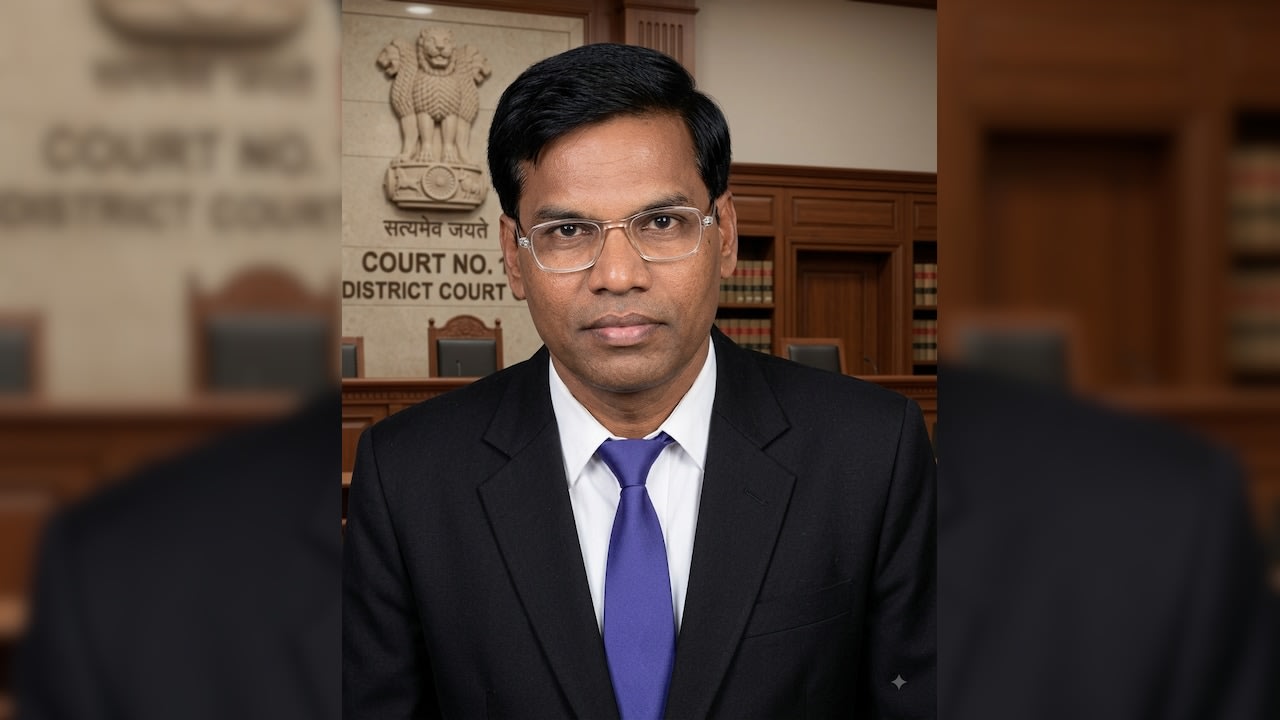
The Allahabad High Court has recalled nearly 100 case files from Uttar Pradesh judge Ravi Kumar Diwakar. This administrative decision follows the judge's delivery of 22 death sentences across 10 murder cases within a four-month period.
Judicial Scrutiny in Uttar Pradesh: The Case of Judge Ravi Kumar Diwakar
Recent administrative actions taken by the judiciary in Uttar Pradesh have drawn significant public and legal attention. The Allahabad High Court has initiated a process to recall nearly 100 case files previously assigned to Judge Ravi Kumar Diwakar. This decision comes in the wake of a highly unusual statistical trend in which the judge delivered 22 death sentences across 10 distinct murder cases within a span of just four months.
Analyzing the Statistical Anomaly
In the context of the Indian legal system, the death penalty is prescribed only for the 'rarest of rare' cases, a standard established by the Supreme Court. The delivery of 22 capital punishments in such a compressed timeframe is statistically significant and deviates from common judicial sentencing patterns. This high frequency of maximum sentencing has necessitated a review by higher judicial authorities to ensure that legal standards, procedural fairness, and the principles of proportionality were strictly maintained in every instance.
Administrative Oversight and Judicial Discipline
Administrative recalls of case files are a standard, albeit rare, mechanism used by High Courts to exercise supervisory jurisdiction over subordinate courts. By withdrawing these cases, the High Court is effectively pausing the adjudication process to conduct a comprehensive audit of the judicial conduct and sentencing rationale employed by Judge Diwakar. This ensures that the judiciary maintains public trust and that the gravity of death sentences is handled with the requisite caution and adherence to established precedent.
Legal Implications of 'Strong Verdicts'
Judge Ravi Kumar Diwakar has been noted for his reputation for handing down 'strong verdicts.' While judicial independence is a cornerstone of the Indian Constitution, it must operate within the boundaries of appellate review and procedural consistency. When a judge’s sentencing patterns appear to diverge significantly from the judicial norm, it triggers a necessary institutional response to investigate whether the 'strong' nature of these rulings aligns with the evidentiary standards required for capital punishment.
Broader Impact on the Justice System
This situation highlights the delicate balance between judicial independence and administrative accountability. The recall of 100 cases serves as a safeguard for the defendants involved, ensuring their trials are reviewed for potential bias or procedural irregularities. It also reinforces the role of the High Court in monitoring the lower judiciary to prevent potential miscarriages of justice, particularly in cases involving the highest form of punishment.
Future Trends and Judicial Oversight
Moving forward, this case will likely serve as a reference point for judicial training and oversight in Uttar Pradesh. The outcome of the High Court’s audit will determine whether the recalled cases will be reassigned or if further disciplinary actions are warranted. This event underscores a growing trend of increased digital and administrative oversight in the Indian court system, aimed at standardizing sentencing practices and ensuring that the death penalty remains a measure of absolute last resort.
Verification Required?