Maharashtra CEO seeks Form 6 change to remove ‘first time voter’ clause for deleted names
Source Entity
Vallabh Ozarkar
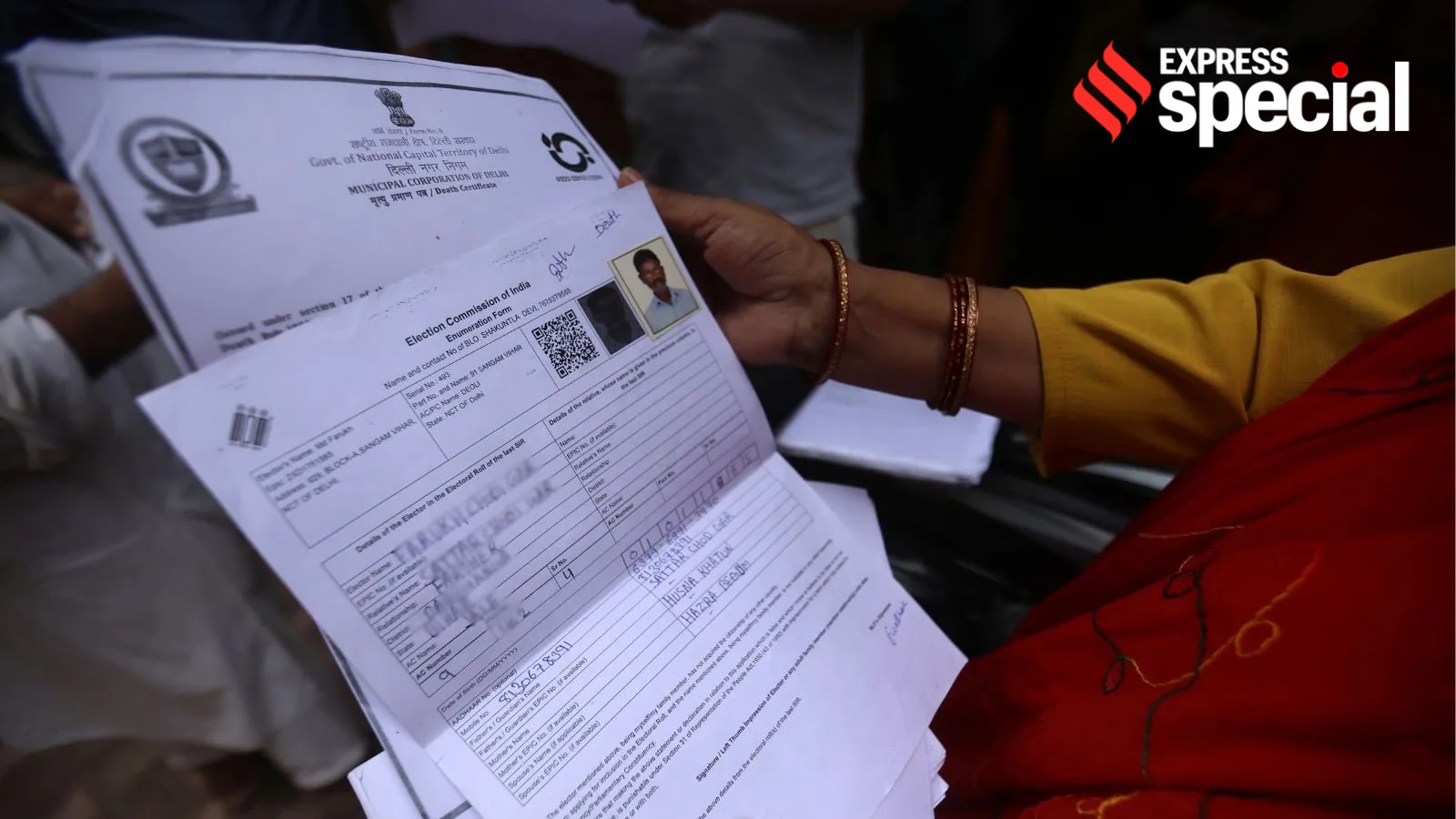
The Maharashtra CEO has proposed that the ECI modify Form 6 to allow voters deleted during the Special Intensive Revision to re-register without declaring themselves as 'first-time' applicants. This move aims to resolve legal and procedural hurdles that currently expose re-registering voters to potential criminal penalties.
Addressing Electoral Roll Discrepancies in Maharashtra
The Administrative Hurdle
The office of the Chief Electoral Officer (CEO) of Maharashtra has formally petitioned the Election Commission of India (ECI) to address a significant procedural bottleneck. The core of the issue lies in the current requirement for individuals seeking to re-enroll on the electoral rolls to use Form 6, which is strictly designed for first-time voters. By submitting this form, applicants are legally bound to declare they are enrolling for the first time, a statement that carries the threat of criminal penalties if found to be false. This creates an untenable situation for citizens whose names were previously removed during the Special Intensive Revision (SIR) process.
Challenges of the Special Intensive Revision (SIR)
The SIR process, intended to ensure the integrity and accuracy of electoral rolls, has faced substantial controversy across multiple states and union territories. When the ECI initiated a "special drive" on September 29 to rectify the exclusion of voters, it directed officials to utilize the existing Form 6. This top-down administrative mandate failed to account for the nuances of voters who were previously registered but subsequently deleted, effectively forcing them to choose between disenfranchisement or making a legally precarious declaration.
Legal and Procedural Implications
The proposal sent by the Maharashtra CEO office highlights a critical disconnect between national-level directives and ground-level realities. When election officials attempt to correct errors from the SIR, they are effectively constrained by the software and legal definitions tied to Form 6. If a voter who was previously deleted signs a declaration stating they are a first-time voter, they are technically providing a false affidavit. This not only risks the voter's legal standing but also complicates the administrative burden on election officials who are tasked with maintaining a clean and accurate register.
The Necessity of Reform
This request for an amendment to Form 6 is a proactive step toward safeguarding the democratic right to vote. By creating a distinct pathway for those deleted during the SIR to re-enroll without the "first-time" label, the ECI can streamline the correction process. This would remove the fear of criminal liability for the citizen and provide a more transparent audit trail for the Election Commission, ensuring that the electoral roll reflects actual population data rather than errors resulting from flawed revision cycles.
Future Trends in Electoral Management
As the ECI moves toward more digitized and intensive electoral management, the need for flexible administrative tools becomes paramount. The controversy surrounding the SIR underscores the importance of modular forms that can adapt to different categories of voters. If the ECI approves this amendment, it could set a precedent for how states handle administrative deletions and re-enrolment, potentially leading to a more robust and responsive electoral management system in the future.
Conclusion
The initiative by the Maharashtra CEO is a vital corrective measure for the health of the electoral process. By aligning administrative forms with the reality of voter deletions, the ECI can restore confidence in the registration system. It is imperative that the Commission adopts this proposal to avoid further confusion and ensure that no legitimate citizen is barred from voting due to an inflexible bureaucratic requirement.