Why has Maharashtra drafted a law to rein in coaching centres?
Source Entity
India Latest News: Top National Headlines Today & Breaking News | The Hindu
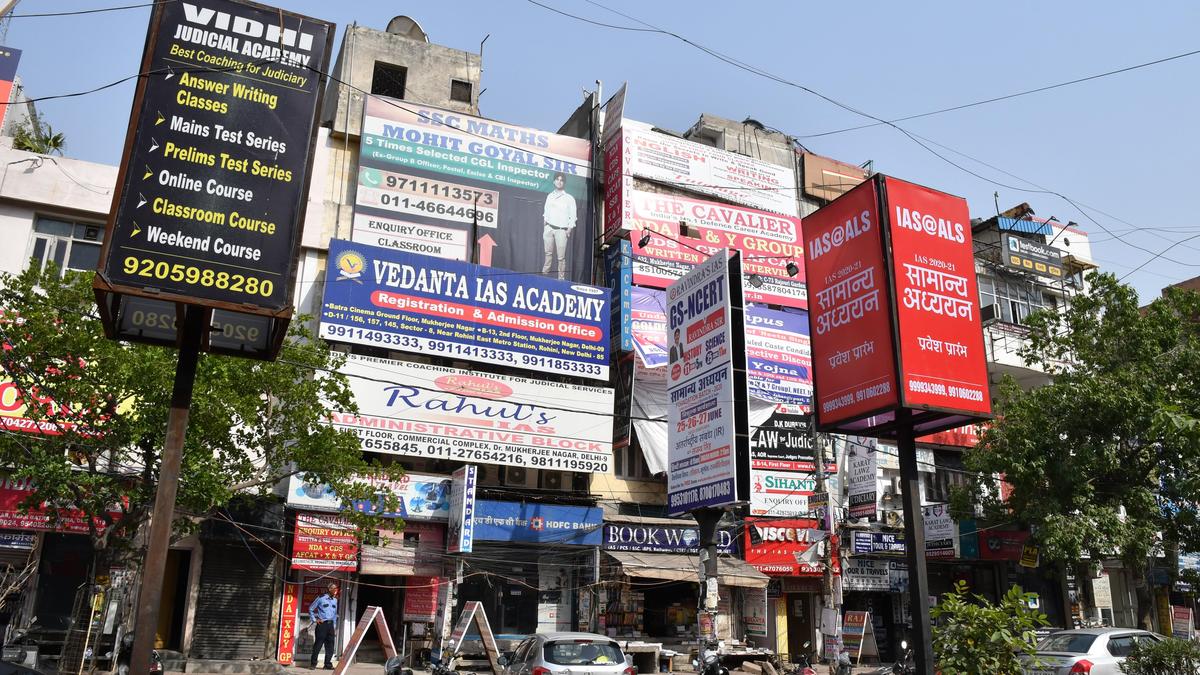
Maharashtra has introduced the 2026 Private Coaching Centres Bill to regulate the state's massive shadow education sector following the NEET-UG paper leak. The draft mandates strict safety, fee, and operational standards, facing pushback from industry unions.
Maharashtra Takes Bold Steps to Regulate Shadow Education
Maharashtra has officially introduced the Maharashtra Private Coaching Centres (Registration and Regulation) Bill, 2026, a legislative move aimed at bringing transparency and accountability to the state’s sprawling private tutoring ecosystem. Released on August 22, the bill serves as a direct policy response to the systemic vulnerabilities exposed by the NEET-UG 2026 paper leak. By creating a formal regulatory framework, the state government seeks to mitigate the risks associated with an unregulated industry that has long operated in the shadows of the formal school system.
Core Objectives and Regulatory Scope
The draft bill outlines a comprehensive strategy to govern private coaching, focusing on student welfare and institutional integrity. Key provisions include the mandatory registration of all coaching centers, strict regulations on fee structures, and the enforcement of rigorous safety standards. Notably, the legislation seeks to prevent the integration of school and coaching center operations, a practice often criticized for creating conflicts of interest and academic burnout. Furthermore, the bill explicitly prohibits the operation of coaching centers from basements, addressing critical safety and fire hazard concerns that have historically plagued urban educational hubs.
Addressing Mental Well-being and Accountability
A significant pillar of the proposed law is the emphasis on the mental well-being of students. By mandating a grievance redressal mechanism, the government aims to provide a platform for students to report exploitation, excessive academic pressure, or substandard facilities. This shift acknowledges that coaching centers are no longer peripheral entities but central players in the competitive examination landscape, necessitating a level of oversight comparable to formal educational institutions.
Industry Backlash and Economic Implications
Predictably, the bill has encountered significant resistance from the private coaching industry. Unions representing these institutes have characterized the proposed regulations as “oppressive” and “unrealistic.” The industry argues that the stringent requirements may stifle the operational flexibility that has allowed these centers to flourish. This friction highlights a broader tension between the state's duty to protect students and the commercial interests of a multibillion-rupee industry that serves as a vital, albeit unregulated, pillar of the Indian education system.
Future Trends and Legislative Outlook
The introduction of this bill marks a turning point in how Indian states manage the 'shadow education' sector. As the government moves to enforce penalties for violations, the future of coaching in Maharashtra will likely depend on the balance between administrative oversight and the practical realities of the coaching market. If successfully implemented, this legislation could serve as a national model for other states grappling with similar issues of academic integrity, student safety, and the commercialization of education.
Verification Required?