Ahead of Ganeshotsav, Maharashtra seeks HC nod for immersion of 6-ft-plus PoP idols in natural water bodies
Source Entity
Omkar Gokhale
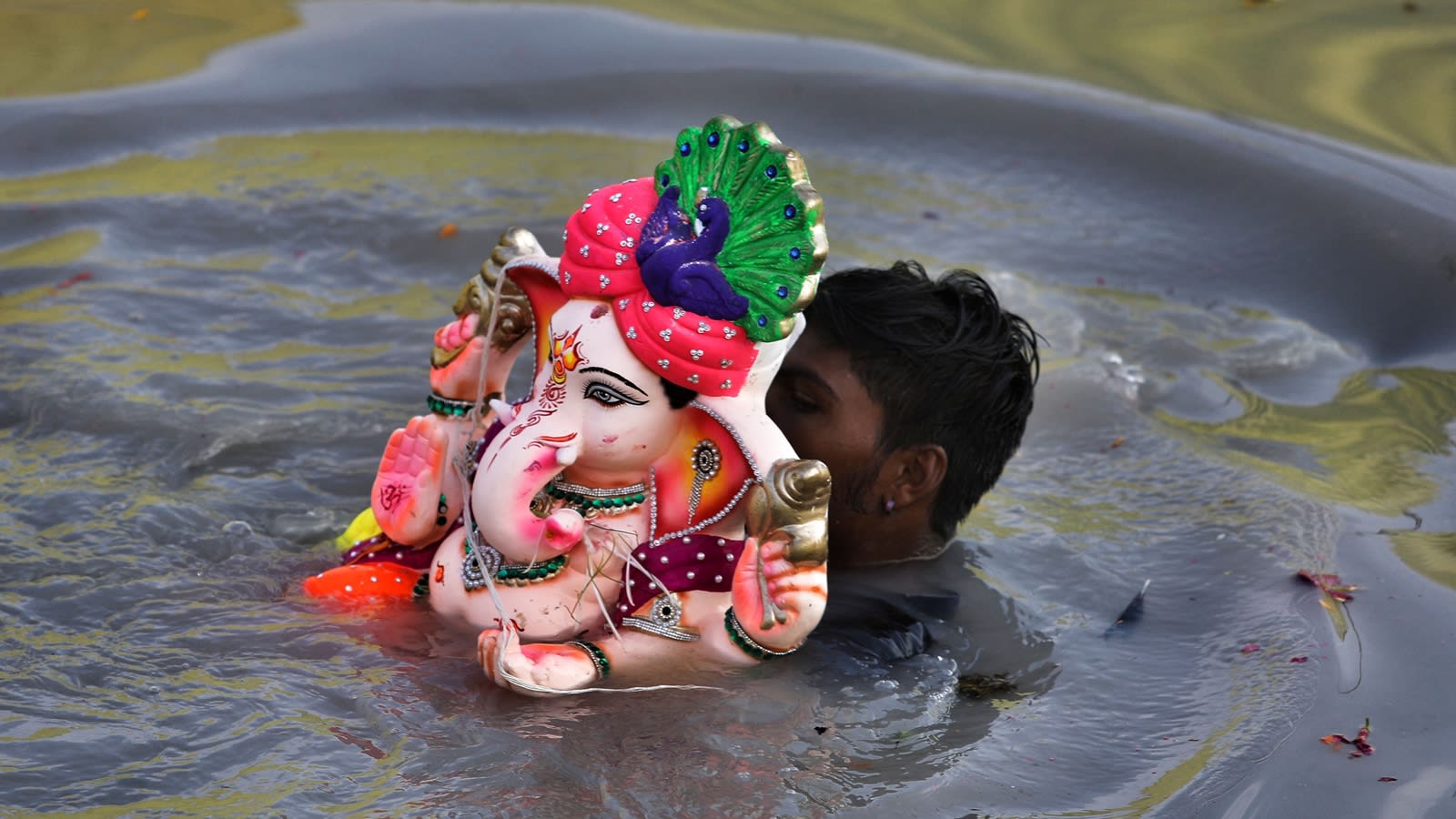
The Maharashtra government is seeking permission from the Bombay High Court to allow the immersion of Plaster of Paris (PoP) Ganesh idols exceeding six feet in height into natural water bodies during Ganeshotsav.
The Intersection of Tradition and Ecology: Maharashtra's Legal Battle Over PoP Idols
Maharashtra is currently navigating a complex tension between deeply rooted cultural traditions and urgent environmental imperatives. The state government's recent move to seek a nod from the Bombay High Court to allow the immersion of Plaster of Paris (PoP) idols taller than six feet in natural water bodies highlights a recurring conflict. Ganeshotsav is not merely a religious event in Maharashtra; it is a massive socio-cultural phenomenon that drives significant economic activity and community bonding, making any restriction on the scale or material of the idols a sensitive political and social issue.
Legal Maneuvers and Administrative Challenges
The government's defense of its decision before the Bombay High Court suggests a struggle to balance regulatory mandates with public sentiment. The legal core of the issue lies in the enforcement of environmental guidelines aimed at protecting aquatic ecosystems. By requesting a specific exemption or approval for larger PoP idols, the state administration is attempting to mitigate potential public unrest that could arise if large community-led 'Mandals' (committees) were suddenly prohibited from following their established immersion rituals. This legal plea underscores the difficulty the state faces in implementing strict environmental laws when they clash with high-emotion public festivals.
The Environmental Toll of Plaster of Paris
To understand the gravity of this dispute, one must analyze the chemical nature of Plaster of Paris. Unlike traditional 'Shadu' (natural clay) idols, PoP is non-biodegradable and does not dissolve easily in water. When these massive idols—especially those exceeding six feet—are immersed in lakes or the Arabian Sea, they persist for years, clogging water bodies and altering the seabed. Furthermore, the paints used on PoP idols often contain heavy metals like lead and mercury, which leach into the water, poisoning marine life and entering the human food chain through fish, creating a long-term ecological disaster that far outlasts the ten-day festival.
Socio-Political Dynamics of Ganeshotsav
Historically, Ganeshotsav was transformed into a public event by Lokmanya Tilak to foster national unity during the Indian independence movement. Today, the 'Mandals' that organize these celebrations hold significant local influence. For many, the size of the idol is a point of pride and community identity. The government's hesitation to strictly ban large PoP idols reflects a fear of alienating these influential community groups. This creates a cycle where administrative leniency allows environmental degradation to continue, while the legal system is forced to step in as the final arbiter of ecological safety.
Comparative Strategies and Future Trends
Across various Indian cities, there has been a gradual shift toward the installation of artificial immersion tanks to prevent the pollution of natural water bodies. While these tanks are effective for smaller idols, the logistics of handling 6-ft-plus PoP structures remain a challenge. Moving forward, it is predicted that the Bombay High Court may push for a more phased transition, perhaps mandating a higher percentage of eco-friendly idols each year or imposing stricter penalties on Mandals that refuse to switch to clay. The trend is moving toward 'Green Ganeshotsav,' but the transition remains slow due to the cost and availability of large-scale clay idols.
Summary of Implications
In conclusion, the Maharashtra government's plea to the High Court is a temporary measure to manage the immediate pressures of the upcoming festival. However, it highlights a systemic failure to fully transition the state's largest festival into a sustainable practice. The outcome of this legal request will likely set a precedent for how the state handles the conflict between religious freedom and environmental protection, potentially accelerating the adoption of artificial ponds and the total phase-out of PoP materials in the coming decade.