Why Maharashtra chose a Paithani saree for its Kumbh invite to President Murmu
Source Entity
Zeeshan Shaikh
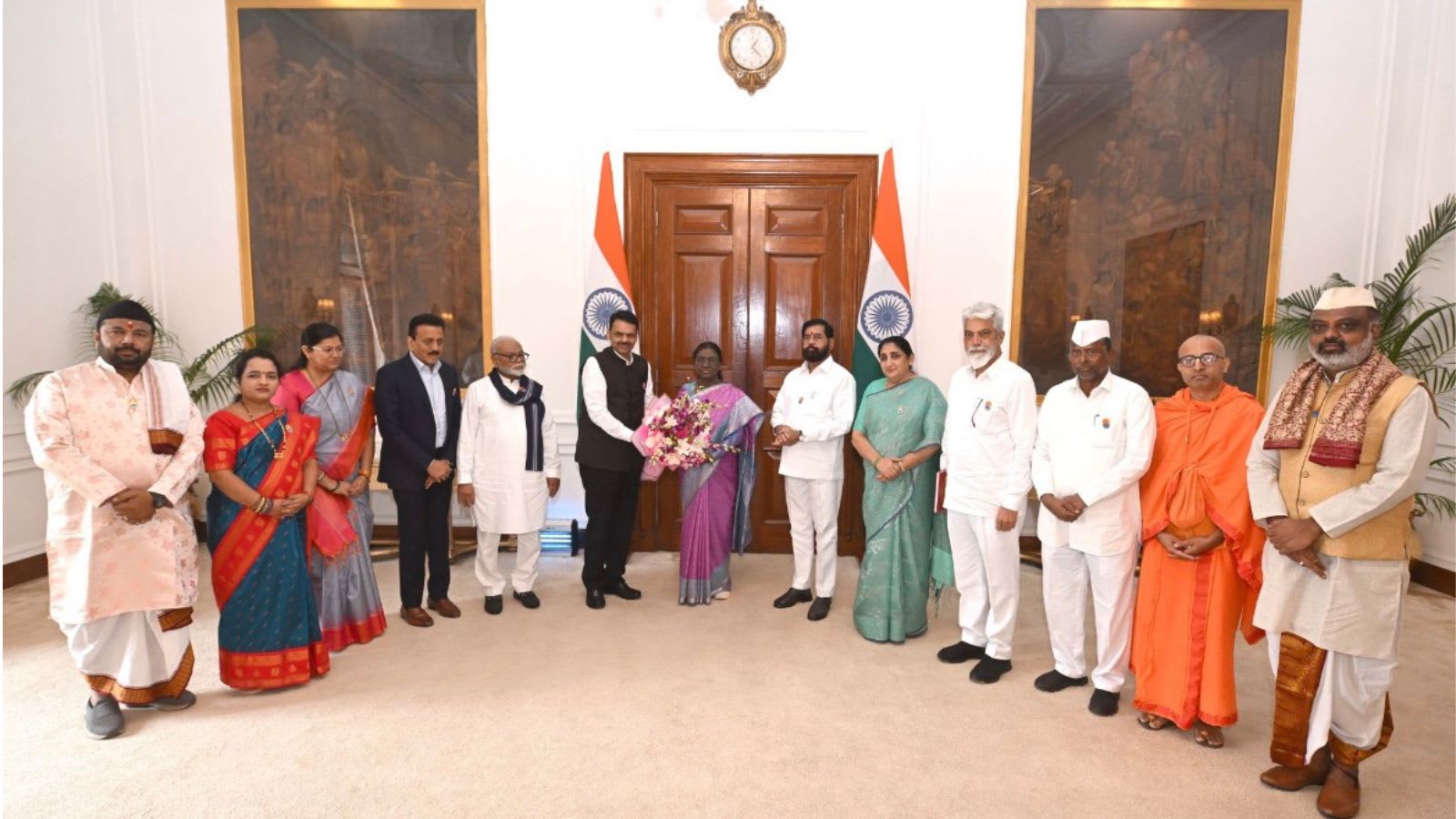
Maharashtra officials presented President Droupadi Murmu with a traditional Paithani saree from Yeola to invite her to the Simhastha Kumbh Mela. This gesture highlights the state's rich textile heritage and the cultural significance of the upcoming event in Nashik.
The Cultural Significance of the Paithani Saree in Diplomatic Gestures
The recent presentation of a Paithani saree to President Droupadi Murmu by a delegation led by Chief Minister Devendra Fadnavis marks a significant intersection of cultural diplomacy and state heritage. By selecting this iconic textile to accompany the formal invitation for the Simhastha Kumbh Mela, the Maharashtra government is not merely offering a gift; it is utilizing a powerful symbol of regional identity to establish a connection with the highest office in the country. This act serves to elevate the profile of the upcoming Kumbh Mela, emphasizing its status as a event of national, not just local, importance.
The Historical Roots of Paithani Weaving
The choice of a Paithani saree—specifically one sourced from Yeola—highlights the enduring legacy of Maharashtra’s textile traditions. While the saree derives its name from Paithan, an ancient town on the Godavari known historically as Pratishthan, the craft has evolved to find new centers of excellence. Yeola, located in the Nashik district, has successfully preserved these intricate weaving techniques, transforming them into a hallmark of regional prestige. This connection between the textile and its geographical roots reinforces the cultural weight of the gift.
The Simhastha Kumbh Mela: A National Event
The Simhastha Kumbh Mela, centered in Nashik and Trimbakeshwar, is one of the most significant spiritual gatherings in India. By inviting the President to the October 31 flag-hoisting ceremony, the state government is seeking to solidify the event's prominence on the national calendar. The Kumbh Mela represents a profound commitment to faith, history, and community, and the inclusion of the President adds a layer of formal recognition that validates the scale and sanctity of the event.
Economic and Cultural Preservation
Beyond the immediate diplomatic gesture, this event brings renewed attention to the artisans of Yeola. The promotion of Paithani sarees through official state channels provides a boost to the local economy and helps sustain traditional crafts that are often threatened by mass production. By integrating these artisanal products into high-level invitations, the state government is actively participating in the preservation of India’s intangible cultural heritage, ensuring that these skills remain relevant in the modern era.
Future Implications for Cultural Tourism
As Maharashtra prepares to host the Kumbh Mela, such high-profile invitations are likely to influence the trajectory of cultural tourism in the region. The marriage of spiritual significance with artisanal excellence creates a compelling narrative for visitors and pilgrims alike. This strategy is expected to draw increased interest to the Nashik-Trimbakeshwar region, positioning it not only as a spiritual destination but also as a cultural hub that honors the historical continuity of Maharashtra's traditions.