Why a Supreme Court order may let Maharashtra’s women prisoners live with their children
Source Entity
Sadaf Modak
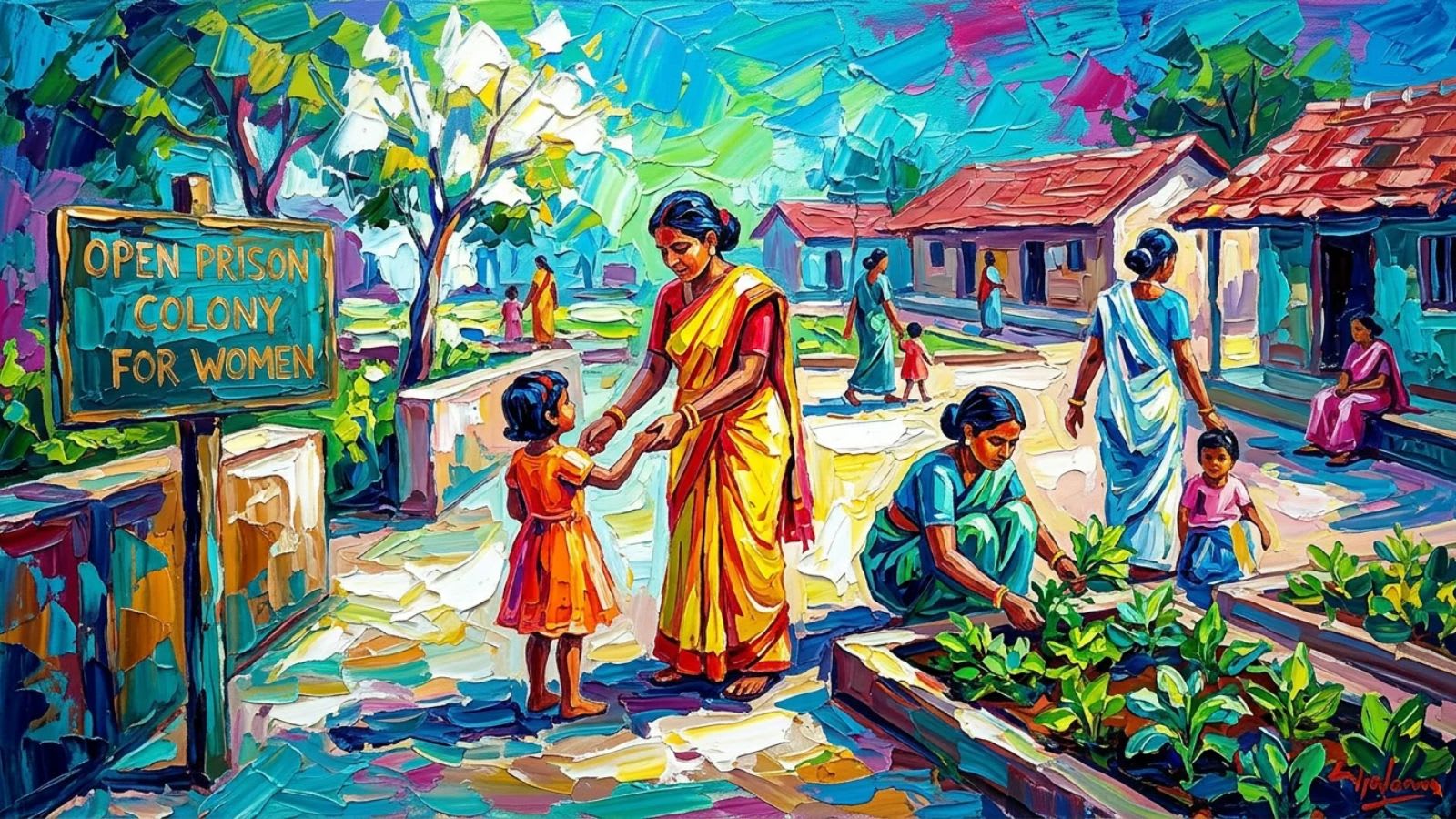
Maharashtra is establishing its first open prison colony for women, enabling inmates to live with their children and families. Driven by a Supreme Court directive, this initiative aims to facilitate social reintegration and employment for incarcerated women.
A New Paradigm for Correctional Reform in Maharashtra
Maharashtra is poised to launch a transformative initiative in the Indian penal system: the establishment of the state's first open prison colony exclusively for women. By allowing eligible inmates to reside with their children and families, the state is shifting from a purely punitive model toward a rehabilitative framework that prioritizes the preservation of familial bonds. This move, rooted in a recent Supreme Court order, represents a significant departure from traditional high-security incarceration that often isolates women from their social support structures.
The Mechanics of the Supreme Court Directive
The project is the direct result of a committee appointed following a Supreme Court mandate, reflecting a growing judicial consensus that the current prison environment is often ill-suited for mothers and their children. The committee, chaired by Bombay High Court judge Justice Bharati Dangre, is tasked with the logistical oversight of this transition. With members including Additional Chief Secretary Radhika Rastogi and Additional Director General of Prisons Suhas Warke, the body is ensuring that the transition to open-air facilities adheres to both security protocols and humanitarian standards.
Site Selection and Operational Strategy
Strategic planning is currently underway, with the committee identifying potential sites in Nashik and Chhatrapati Sambhajinagar. These locations are being evaluated not just for their physical capacity, but for their ability to provide a conducive environment for reintegration. The goal is to make these facilities operational by next year. By selecting sites that allow for a degree of freedom, the state aims to mitigate the psychological trauma associated with incarceration for both the mothers and their children, while maintaining the necessary oversight required for legal compliance.
Bridging the Gap: Employment and Social Reintegration
A core component of this open prison model is the emphasis on employment. Unlike traditional cells, these colonies are designed to let inmates take up jobs, providing them with the means to support their families and develop professional skills that will be vital upon their eventual release. This economic empowerment is crucial for reducing recidivism, as it provides women with a tangible path toward self-sufficiency rather than a return to the precarious circumstances that often lead to criminal activity.
Broad Implications for Indian Jurisprudence
This initiative signals a broader shift in how India views the intersection of gender, motherhood, and the justice system. By prioritizing the welfare of children living with incarcerated mothers, Maharashtra is aligning its correctional policies with international standards that emphasize the 'best interests of the child.' If successful, this pilot program could serve as a blueprint for other Indian states to follow, potentially leading to a nationwide overhaul of how female prisoners are managed and rehabilitated.
Conclusion: A Future-Forward Approach
The move to create an open prison colony is a progressive step that balances the requirements of the law with the realities of human development. By fostering an environment where women can maintain familial ties and participate in the workforce, Maharashtra is acknowledging that the ultimate goal of the penal system should be the successful reintegration of individuals into society. As the committee moves toward the operational phase, the success of this project will likely hinge on the effective implementation of support services and the continued commitment of the judiciary to reform-oriented justice.