Mahasweta Devi’s best books: Grandson Tathagata Bhattacharya recommends five must-reads
Source Entity
India Latest News: Top National Headlines Today & Breaking News | The Hindu
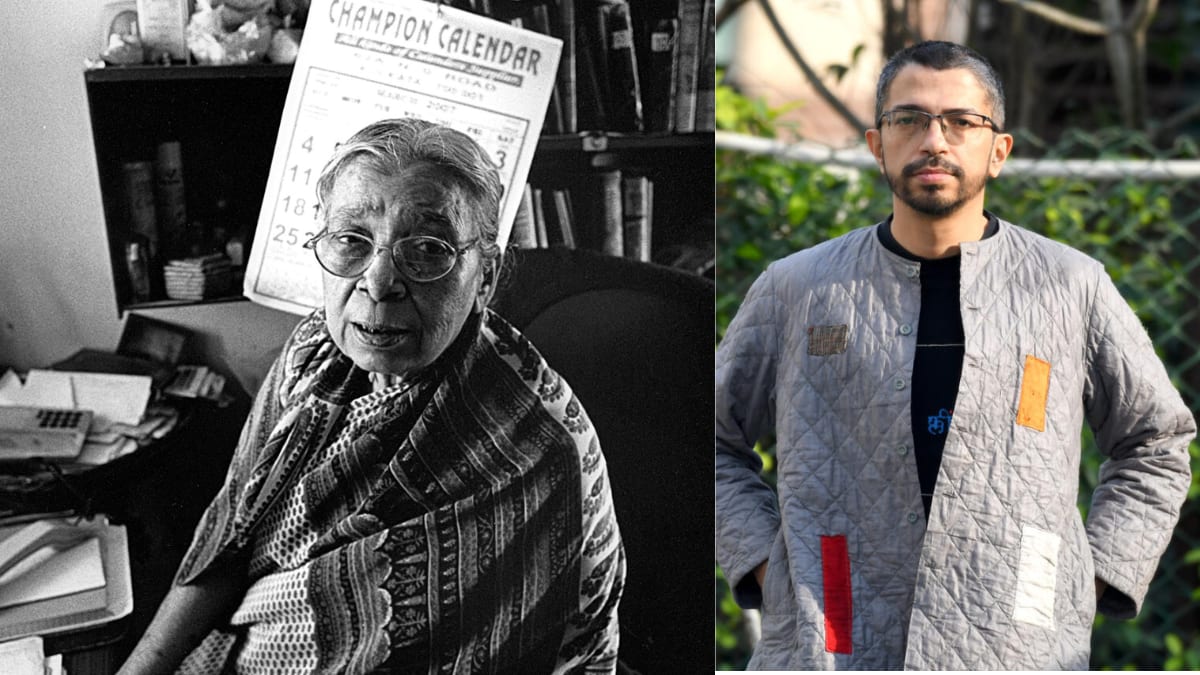
Mahasweta Devi's legacy is defined by her profound literary contributions and her tireless grassroots activism for Adivasi rights. Her grandson, Tathagata Bhattacharya, highlights key works that reflect her deep empathy for the marginalized and her critique of systemic inequality.
The Dual Legacy of Mahasweta Devi: Literature as Political Practice
Mahasweta Devi stands as a titan of 20th-century Indian literature, a writer whose voice served as a bridge between the intellectual elite and the most marginalized sections of society. As we reflect on her work—often through the lens of her grandson Tathagata Bhattacharya—it becomes clear that her narrative prowess was never intended for mere aesthetic consumption. Instead, her writing functioned as a sharp, uncompromising critique of the feudal and casteist structures that continue to stifle the Adivasi and working-class populations of India.
Literary Contributions and Social Critique
Among her most seminal works, Breast-Giver (Stonodayini) remains a harrowing examination of exploitation. By detailing the life of Jashoda, a woman forced into a cycle of perpetual pregnancy to serve the interests of the wealthy Haldar family, Devi exposes the commodification of the female body. This is not merely a story of individual struggle but a scathing indictment of a society that reduces women to biological functions. Similarly, her first novel, The Queen of Jhansi, and her personal favorite, The Life and Death of Poet Bondhoghoti Gnai, highlight her commitment to giving voice to those whom history has consistently erased.
Beyond the Page: Activism as a Moral Imperative
For Mahasweta Devi, the act of writing was inseparable from the act of resistance. Her legacy is perhaps most vibrantly alive in the grassroots movements she fostered among the Sabars and other Adivasi communities. She viewed literature as a form of political engagement, refusing to allow the state or social institutions to reduce the lives of the downtrodden to mere statistics. Her intervention in legal matters, such as her demand for a second post-mortem in cases of injustice, demonstrates that her commitment to the truth extended far beyond the printed page.
The Mentor and the Catalyst
Devi's influence was not limited to her own creative output; she served as a tireless mentor to emerging voices from the working class. The story of her encounter with writer Manoranjan Byapari—whom she discovered while he was working as a rickshaw-puller—perfectly encapsulates her philosophy. By encouraging him to write for her magazine, Bortika, she acted as a conduit for voices that had been systematically silenced by the literary establishment, proving that she sought to cultivate a legacy of empowerment rather than personal acclaim.
Conclusion: An Enduring Impact
Mahasweta Devi’s life and work represent a rare synthesis of profound artistic talent and unwavering moral courage. While her grandson notes that she often felt her most celebrated works were not her best, the collective body of her literature and her activism remains a foundational pillar for social justice in India. As future generations study her contributions, they will find that her true gift was the ability to transform the 'enduring will to live'—the jijivisha she so famously discussed—into a powerful, organized force for change.
Multiple Citing Sources
Verification Required?