Mamata Banerjee and Congress: A political journey comes full circle
Source Entity
Ravik Bhattacharya, Sattwick Barman
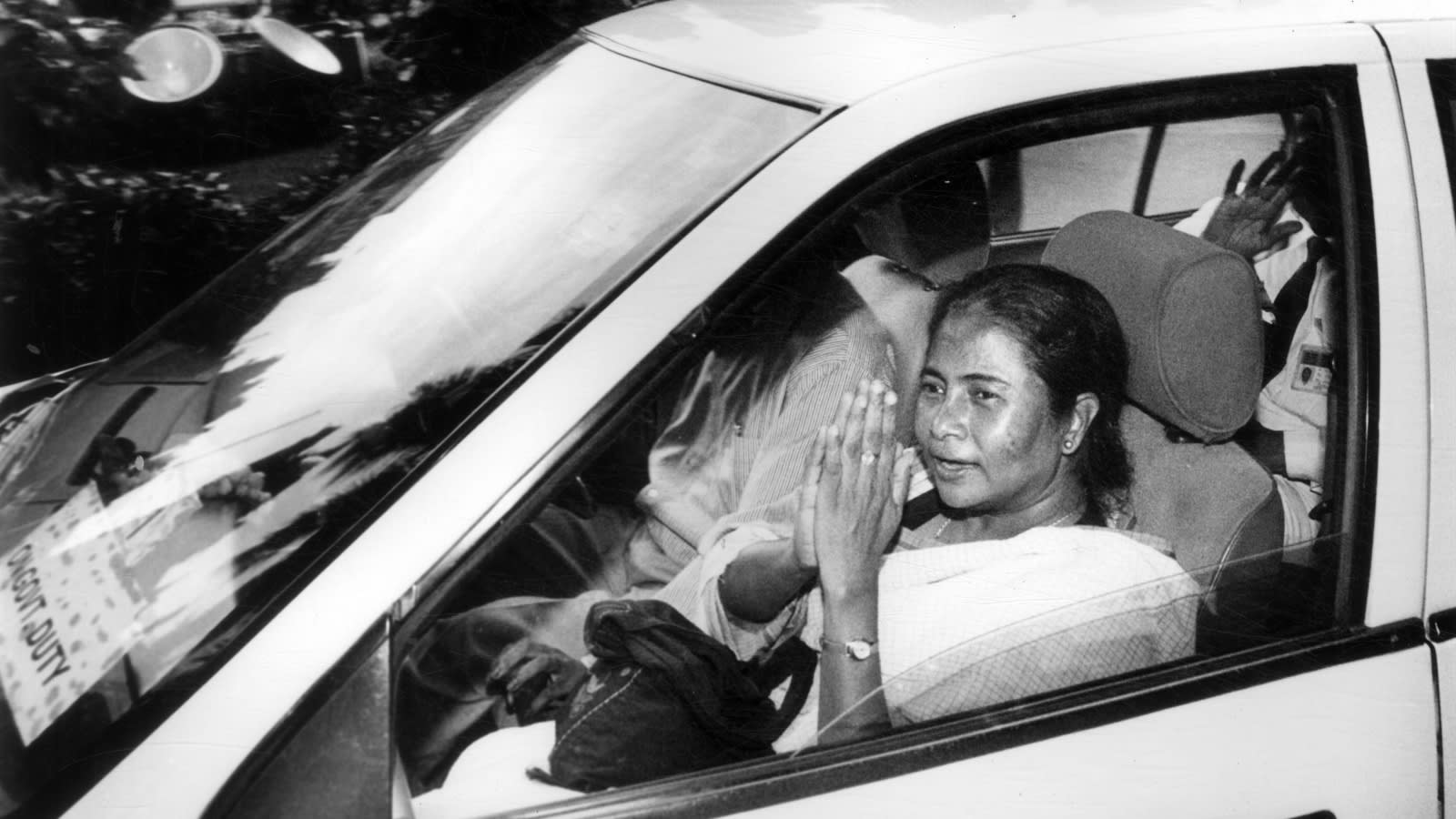
Mamata Banerjee’s Trinamool Congress has navigated a turbulent 72-hour period marked by internal splits and legal battles over party symbols. Amidst these setbacks, the party has strategically aligned with the Congress for upcoming bypolls to bolster the INDIA alliance.
The Trinamool Congress Crisis: A 72-Hour Political Storm
The political landscape in West Bengal has been defined by a tumultuous 72-hour period for Chief Minister Mamata Banerjee and her Trinamool Congress (TMC). The party, founded by Banerjee in 1998, has faced an unprecedented series of setbacks, including challenges to its official election symbol and the legitimacy of its name. These structural threats, exacerbated by a factional split led by Ritabrata Banerjee, have forced the TMC into a defensive posture, shifting the battlefield from the streets of Kolkata to the chambers of the Supreme Court.
Legal Battles and Structural Threats
At the core of the current crisis is a legal dispute regarding the party's identity. The split orchestrated by a faction under Ritabrata Banerjee has triggered a formal challenge before the Election Commission of India, leading to a freeze on the party's symbol. By escalating this matter to the Supreme Court, Mamata Banerjee is attempting to reclaim the electoral apparatus that has served as the bedrock of her political movement for over two decades. This legal friction represents a significant hurdle for the TMC, as symbol recognition is vital for voter mobilization in Indian electoral politics.
Strategic Realignment with Congress
Despite the internal chaos, Banerjee has executed a calculated pivot regarding her relationship with the Congress party. Initially, the TMC had denied seeking a pact for the October 6 assembly bypolls in Nandigram and Rejinagar. However, the subsequent withdrawal of the TMC candidate in Nandigram and the public endorsement of the Congress candidate signals a major strategic shift. Banerjee has framed this as a move to "strengthen the INDIA alliance," suggesting a pragmatic effort to consolidate anti-BJP votes despite prior disagreements with the state Congress leadership.
The Nandigram Factor and Political Messaging
Nandigram remains a highly symbolic region for Mamata Banerjee, as it was the epicenter of her rise to power. By choosing to opt out of the contest there, she is making a significant concession to maintain the integrity of the broader national opposition coalition. This decision, announced from her residence in the Kalighat neighborhood, serves as an olive branch intended to repair frayed relations, even after the state Congress leadership had previously publicly rejected her seat-sharing proposals.
Broader Implications and Future Trends
The trajectory of these events suggests that Mamata Banerjee is prioritizing long-term alliance stability over short-term electoral dominance in specific bypoll seats. As the legal battle over the party symbol continues in the Supreme Court, the TMC’s ability to function as a cohesive political entity will be tested. The move to align with the Congress indicates a possible evolution in how regional parties navigate the national political stage, potentially setting a precedent for future cooperation within the INDIA alliance framework.
Conclusive Summary
The past few days have been a period of intense pressure for the Trinamool Congress, characterized by a precarious balance between existential legal threats and strategic national coalition-building. While the party has secured a temporary breather, the resolution of the symbol dispute and the success of the new-found cooperation with the Congress will determine the future influence of Mamata Banerjee in West Bengal and beyond.
Multiple Citing Sources