Man charged with assisting Iran's intelligence service
Source Entity
BBC News
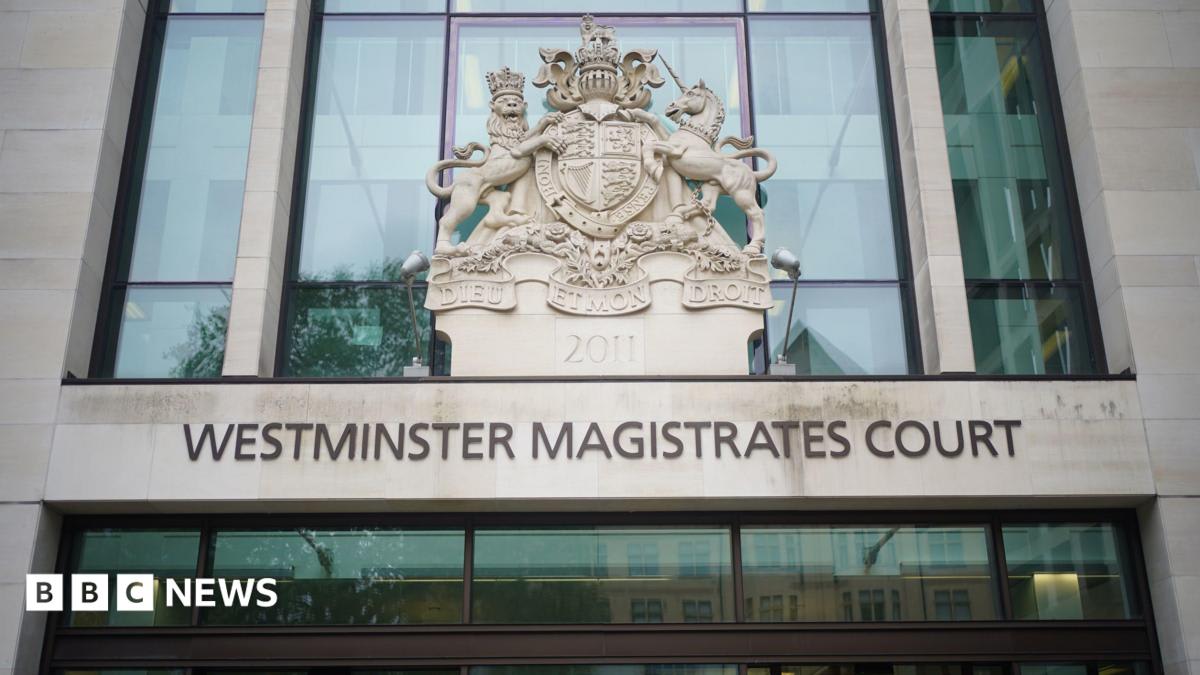
Vahid Aberi, 39, has been charged under the National Security Act 2023 for allegedly assisting Iranian intelligence. The arrest follows an investigation by UK Counter Terrorism Policing, highlighting increased efforts to disrupt foreign intelligence operations.
National Security Breach: The Charges Against Vahid Aberi
In a significant development for UK national security, Vahid Aberi, a 39-year-old resident of Liverpool, has been formally charged with assisting the intelligence services of Iran. The arrest, which took place in Birmingham, was the culmination of a targeted investigation conducted by Counter Terrorism Policing. This incident marks a notable application of the National Security Act 2023, legislation designed to modernize the UK's approach to countering foreign state threats.
The Investigation and Legal Proceedings
Following his apprehension in Birmingham, Aberi was transported to a police facility in the West Midlands. Authorities conducted exhaustive searches at properties linked to the suspect in both Birmingham and Liverpool, signaling the scale and depth of the evidence-gathering process. Aberi is currently scheduled to appear at Westminster Magistrates' Court to face these serious allegations, marking the first stage of what is expected to be a high-profile legal proceeding regarding foreign espionage on British soil.
The Role of the National Security Act 2023
The use of the National Security Act 2023 in this case underscores the UK government's commitment to strengthening its legal framework against hostile state actors. This legislation was enacted to close loopholes in older laws, providing intelligence and law enforcement agencies with robust tools to detect, disrupt, and prosecute those who act on behalf of foreign governments to undermine national interests. The charge against Aberi demonstrates the practical utility of these new laws in addressing modern, multifaceted security challenges.
Escalating Foreign Intelligence Threats
Commander Helen Flanagan, Head of Counter Terrorism Policing London, emphasized that this arrest is not an isolated event. She noted a "significant and sustained increase" in the tempo of national security investigations in recent years. This trend reflects a global environment where state-sponsored intelligence activities have become more frequent and aggressive, compelling UK authorities to shift toward a more proactive posture to protect sensitive information and public safety.
Broader Implications for Foreign Relations
The charging of an individual for assisting Iranian intelligence service operations naturally carries diplomatic weight. Such cases often serve as a barometer for the strained relations between the UK and the Iranian government. By publicly prosecuting individuals involved in these activities, the UK sends a clear deterrent message to foreign powers that espionage and the recruitment of assets within British borders will be met with the full force of the law.
Future Trends in Counter-Espionage
As the landscape of global intelligence evolves, it is highly likely that the UK will continue to see a rise in investigations related to foreign influence and interference. The focus on disrupting these networks early, as evidenced by the intervention in the Aberi case, is expected to remain a core strategy. Moving forward, the efficacy of the National Security Act 2023 will be closely watched by international observers and security analysts as a benchmark for how liberal democracies can effectively counter the sophisticated operations of hostile intelligence services.